


22
2026
-
09
Avoiding Common Pitfalls in Landfill Leachate Management with HDPE Pipe: A Comprehensive Guide
Avoiding Common Pitfalls in Landfill Leachate Management with HDPE Pipe Introduction to Landfill Leachate Management Landfill leachate, a toxic liquid formed when water filters through waste, poses significant environmental challenges. Effective management of this leachate is essential to protect groundwater and surface water from contamination. In recent years, the utilization of High-Density
Avoiding Common Pitfalls in Landfill Leachate Management with HDPE Pipe
Introduction to Landfill Leachate Management
Landfill leachate, a toxic liquid formed when water filters through waste, poses significant environmental challenges. Effective management of this leachate is essential to protect groundwater and surface water from contamination. In recent years, the utilization of High-Density Polyethylene (HDPE) pipes has become increasingly popular due to their durability and resistance to corrosion. However, there are common pitfalls that many face in the management of landfill leachate that can lead to inefficiencies and environmental risks. This guide provides insight into these pitfalls and offers solutions to optimize your leachate management systems.
Understanding the Importance of Leachate Management
Effective leachate management is crucial for sustainable landfill operations. Failing to manage leachate can result in dire environmental consequences, including groundwater contamination and soil degradation. Proper management not only mitigates these risks but also enhances operational efficiency and compliance with environmental regulations.
The Role of HDPE Pipes in Leachate Management
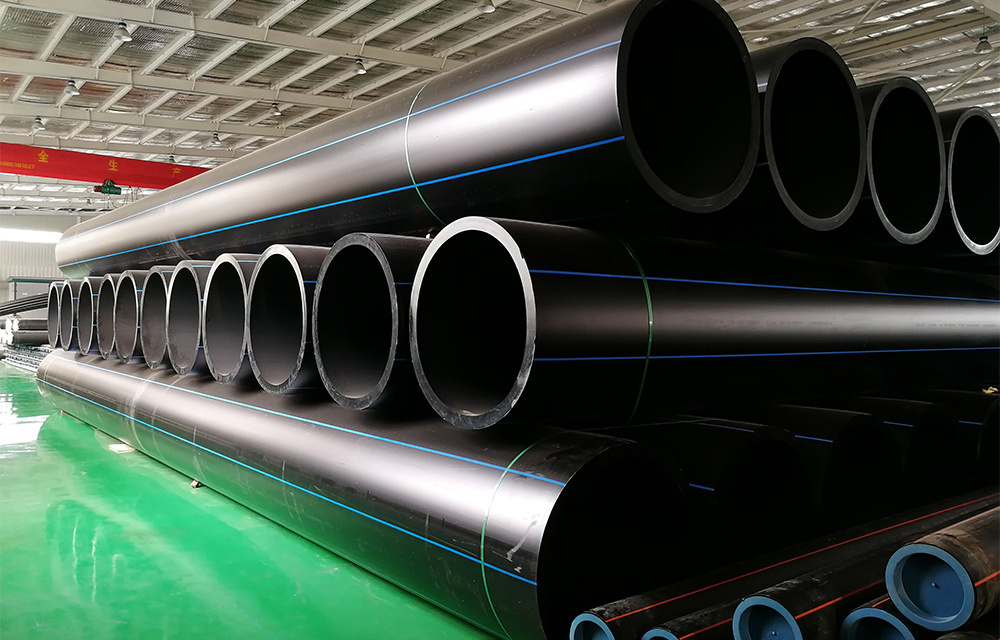
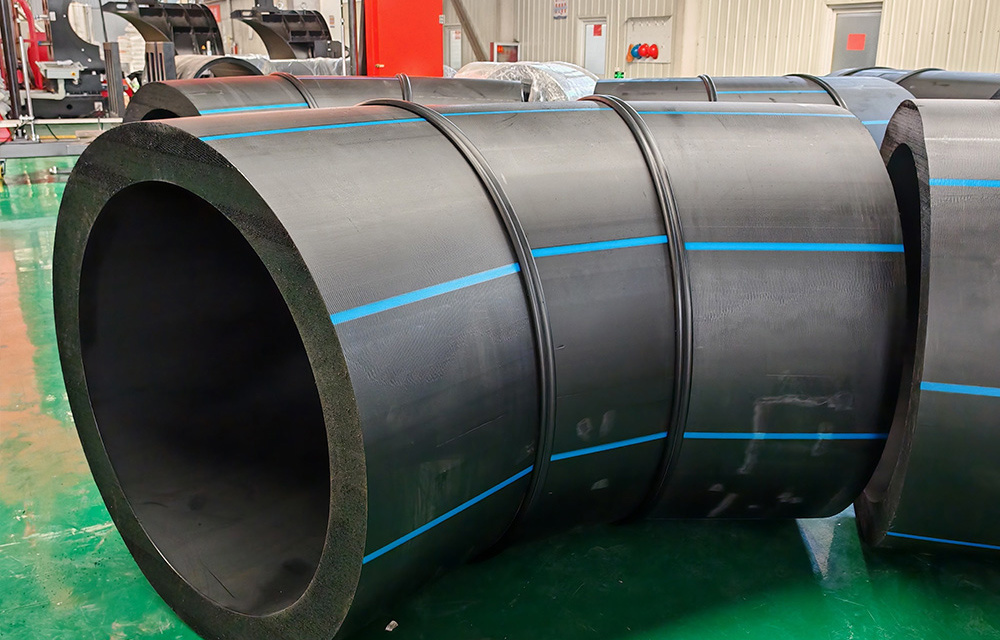
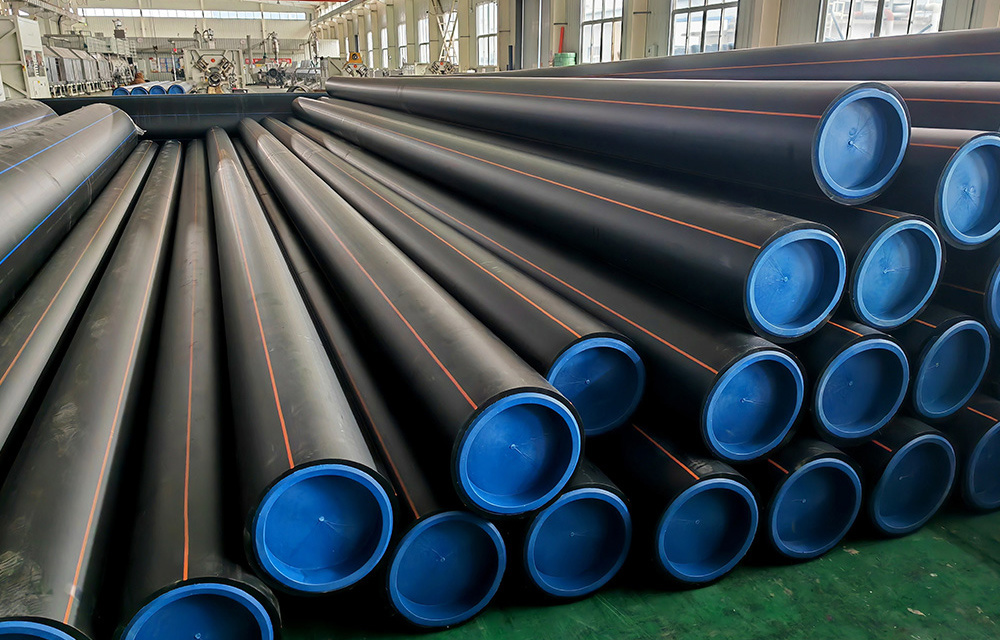
HDPE pipes are renowned for their mechanical strength, flexibility, and resistance to harsh chemicals commonly found in leachate. These attributes make them an excellent choice for landfill applications. They can withstand the pressures associated with leachate movement and reduce the risk of leaks that could lead to environmental harm.
Common Pitfalls in Landfill Leachate Management
While HDPE pipes offer significant advantages, mismanagement in the leachate handling process can still occur. Below are some of the most prevalent pitfalls:
1. Inadequate System Design
A well-designed leachate management system is fundamental to its success. Inadequate sizing of pipes and components can lead to overloading during peak flows, resulting in system failures. Engineers must consider factors like leachate volume, flow rates, and potential blockages when designing an effective system.
2. Neglecting Regular Maintenance
Regular maintenance of HDPE pipes and associated systems is essential to ensure their longevity and effectiveness. Neglecting routine inspections and maintenance can lead to costly repairs and environmental hazards. Implementing a proactive maintenance program can help mitigate these issues.
3. Ignoring Environmental Regulations
Compliance with environmental regulations is critical. Failure to adhere to these regulations can result in fines and legal action. It is vital to stay updated with local, state, and federal laws regarding leachate management to avoid these repercussions.
4. Poor Material Selection
Not all HDPE pipes are created equal. Selecting inferior materials or incompatible components can compromise the integrity of the leachate management system. It is important to choose high-quality HDPE products that meet industry standards.
5. Inadequate Training for Personnel
The personnel responsible for managing leachate systems must be well-trained to identify potential issues and troubleshoot problems effectively. Insufficient training can lead to operational mistakes and increased risks.
Best Practices for Effective Leachate Management
To avoid the pitfalls outlined above, we recommend several best practices for leachate management:
1. Comprehensive System Design
Invest time in the initial design phase to create a comprehensive leachate management system. This includes determining the appropriate size and layout of HDPE pipes, ensuring sufficient capacity for peak leachate flows, and integrating proper drainage systems.
2. Establish Regular Maintenance Protocols
Develop a detailed maintenance schedule that includes regular inspections, cleaning, and repairs of HDPE pipes. Utilize advanced monitoring technology to detect leaks or blockages early, thereby preventing more significant issues.
3. Stay Updated on Regulatory Changes
Regularly review and update your knowledge of relevant environmental regulations. Participate in training programs and workshops to ensure compliance and to understand best practices in leachate management.
4. Source Quality Materials
Always select HDPE pipes from reputable suppliers that comply with industry standards. Verify the quality of materials through certifications and testing to ensure they are suitable for leachate management.
5. Provide Ongoing Training for Staff
Invest in continuous training for staff involved in leachate management. This training should cover the operation of HDPE systems, maintenance best practices, and changes in regulatory requirements, ensuring that personnel can manage the system effectively.
Challenges in Implementing Best Practices
Despite the clear benefits of following best practices, several challenges may arise during implementation.
1. Budget Constraints
Budget limitations can hinder the ability to invest in quality materials, comprehensive training, and advanced monitoring systems. Exploring grants or funding opportunities can alleviate some financial burdens.
2. Resistance to Change
Existing staff may be resistant to adopting new practices or technologies. Promoting the benefits of updated systems and providing thorough training can help foster a culture of acceptance and adaptability.
3. Technological Limitations
In some cases, existing infrastructure may not support the latest technology in leachate management. Conducting a thorough assessment of current systems can reveal opportunities for upgrades and improvements.
Innovative Technologies in Leachate Management
Incorporating innovative technologies can significantly enhance leachate management practices. Here are some notable advancements:
1. Real-Time Monitoring Systems
Utilizing IoT sensors and real-time monitoring software allows for immediate insights into leachate conditions, helping to identify issues before they escalate.
2. Advanced Treatment Solutions
Emerging treatment technologies, such as membrane bioreactors and advanced oxidation processes, can improve leachate treatment efficiency, reducing the environmental impact.
3. Automation in Maintenance
Automating maintenance protocols through smart technologies can streamline operations, reducing human error and ensuring rigorous adherence to schedules.
FAQs About Landfill Leachate Management with HDPE Pipe
1. What is leachate, and why is it a concern?
Leachate is a liquid that drains or leaks from a landfill. It can contain harmful substances that pose risks to the environment and public health if not managed properly.
2. Why are HDPE pipes preferred for leachate management?
HDPE pipes are preferred due to their chemical resistance, durability, and flexibility, making them ideal for the harsh conditions associated with landfill leachate.
3. How often should leachate management systems be inspected?
Inspection frequency depends on the volume of leachate and local regulations, but regular checks should be scheduled at least quarterly or more frequently during peak times.
4. What are the consequences of poor leachate management?
Poor leachate management can lead to environmental contamination, legal penalties, and increased operational costs due to emergency repairs and regulatory fines.
5. Are there any emerging technologies for leachate treatment?
Yes, innovative technologies such as membrane bioreactors and real-time monitoring systems are being developed to enhance leachate treatment efficiency and effectiveness.
Conclusion
Effective landfill leachate management is critical for protecting the environment and ensuring the sustainability of landfill operations. By understanding the common pitfalls and implementing best practices, including the strategic use of HDPE pipes, landfill operators can significantly improve their leachate management processes. Continuous training, adherence to regulations, and the adoption of innovative technologies will further enhance operational efficiency and environmental protection. Equipping your landfill with the right knowledge and tools can lead to more effective leachate management and a reduced environmental impact.

Customer Service Hotline
Sales Department Email
Website (Web)
Customer Service Email
Business Cooperation Email
Address
No.32 Donghai Road, Cangzhou Development Zone, Hebei Province, China
Company Address
No. 32 Donghai Road, Cangzhou Development Zone, Hebei Province, China