


29
2026
-
09
The Versatility and Benefits of HDPE Pipes in Pipe Jacking Projects
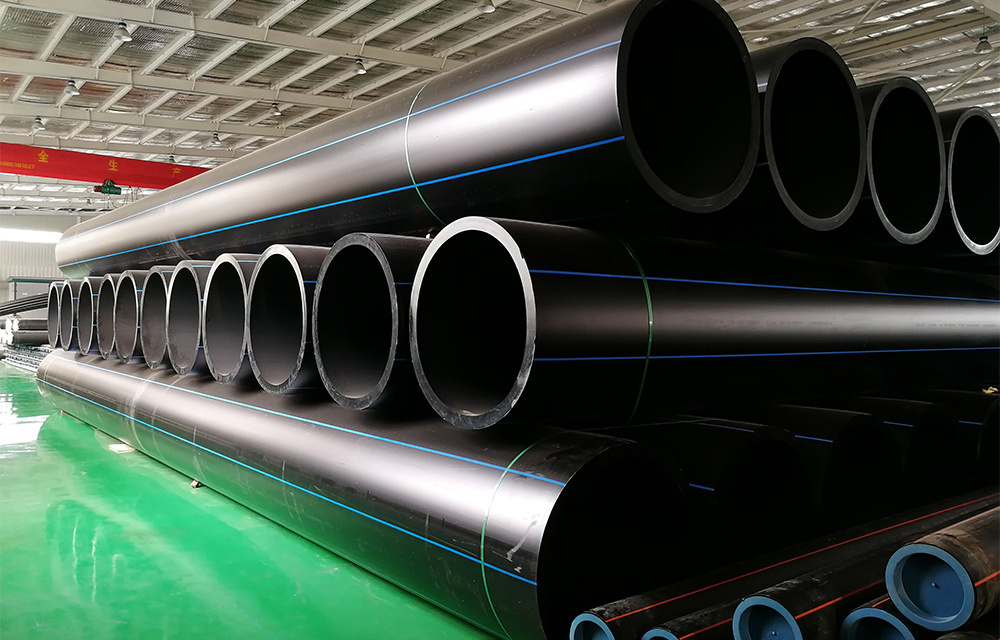
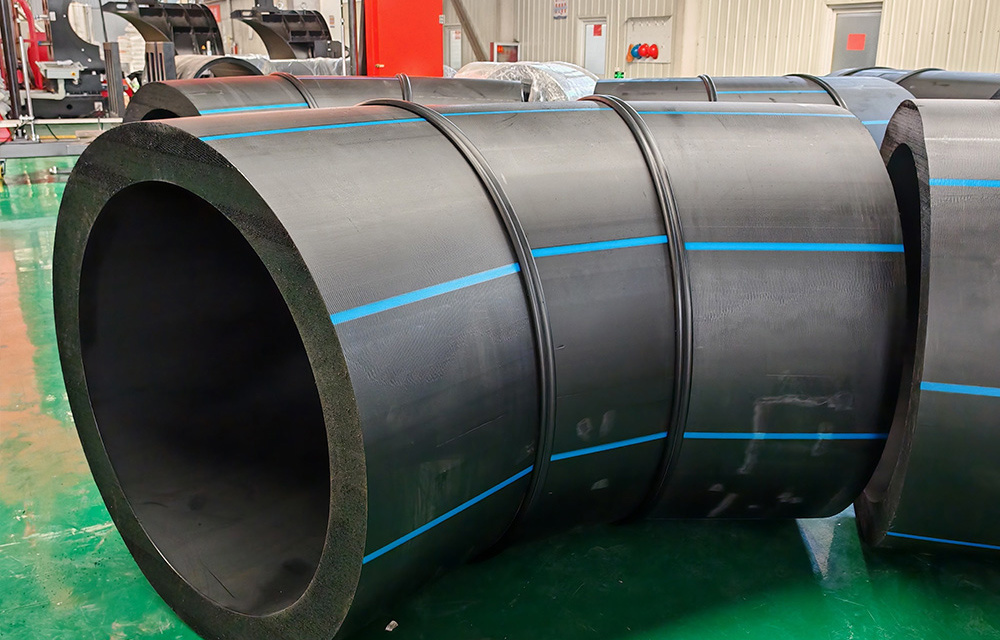
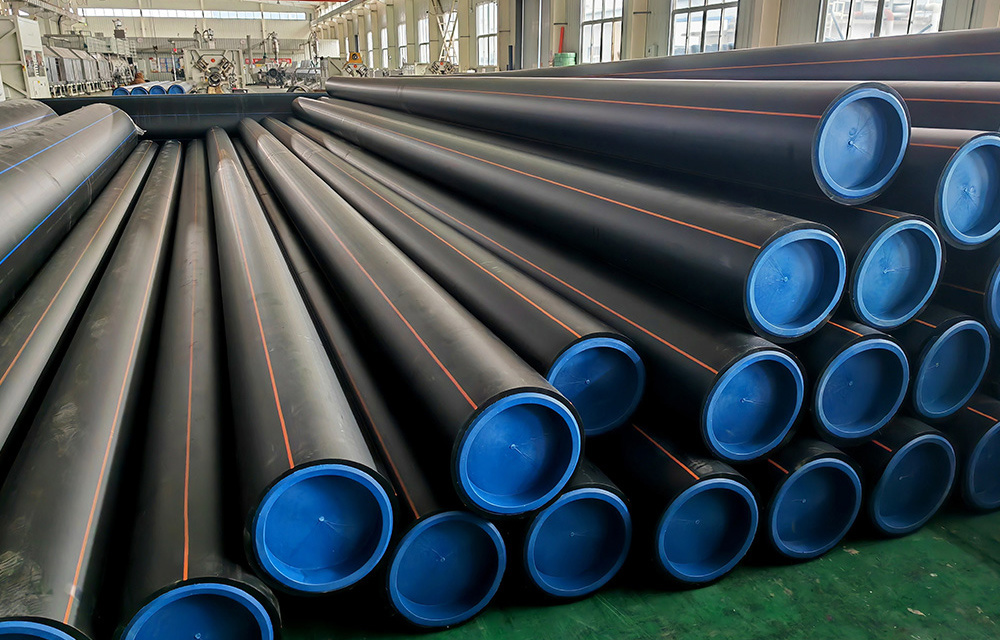
High-Density Polyethylene (HDPE) pipes have emerged as a popular choice in various construction applications, especially in pipe jacking projects. Pipe jacking is a trenchless method of installing pipelines, which minimizes surface disruption and reduces construction time. The utilization of HDPE pipes in this innovative technique brings numerous benefits that make them an ideal option for many in
One of the primary advantages of HDPE pipes is their exceptional durability. These pipes are resistant to a range of environmental factors, including chemicals, corrosion, and abrasion. This resistance ensures that the pipes can withstand the harsh conditions often encountered during pipe jacking, such as soil movement and groundwater infiltration. Furthermore, HDPE's flexibility allows it to absorb ground movement, reducing the risk of damage and extending the lifespan of the pipeline.
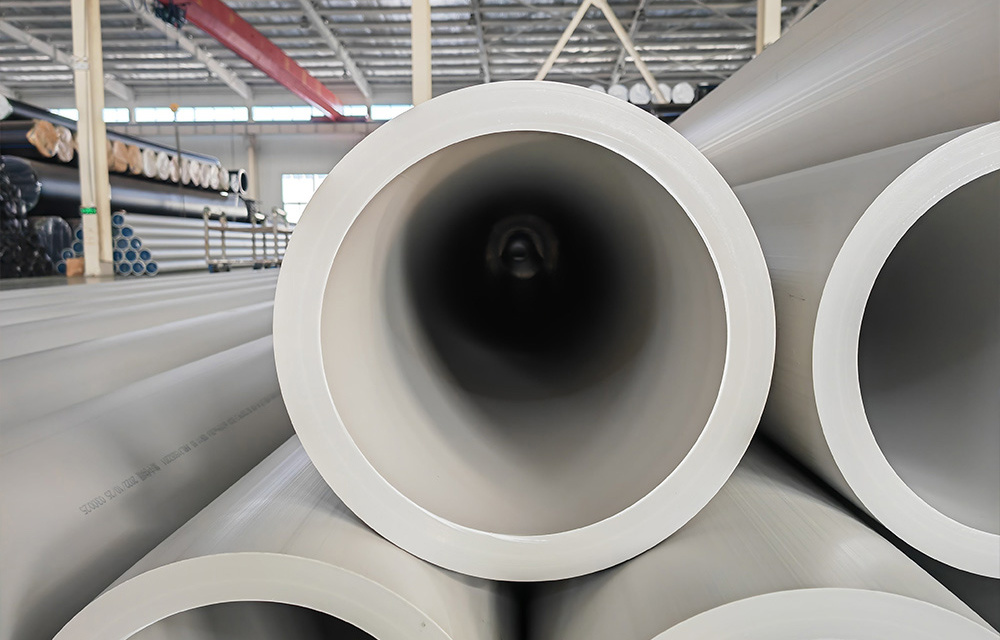
Another significant benefit of HDPE pipes is their lightweight nature, which simplifies handling and installation during pipe jacking processes. The reduced weight means that less heavy machinery is required, resulting in lower operational costs and decreased energy consumption. Additionally, the smooth inner surface of HDPE pipes minimizes friction, facilitating easier passage of the pipe through the jacking shaft and contributing to an efficient installation process.
In terms of environmental impact, HDPE pipes are recyclable and can be reused, which aligns with the growing emphasis on sustainability within the construction industry. Using HDPE pipes in pipe jacking not only reduces the carbon footprint of projects but also helps promote eco-friendly practices. This aspect is becoming increasingly critical as more organizations seek to adhere to environmental regulations and demonstrate corporate social responsibility.
When planning a pipe jacking project with HDPE pipes, it is essential to follow best practices to ensure successful installation. Proper alignment and adequate thrust are crucial to prevent jamming and ensure smooth installation. Additionally, it is vital to select the appropriate pipe diameter and wall thickness based on the specific project requirements and soil conditions. Collaborating with experienced professionals who specialize in trenchless technologies can further enhance the effectiveness of using HDPE pipes in pipe jacking.
In conclusion, HDPE pipes offer a range of benefits for pipe jacking applications, including durability, lightweight handling, and environmental sustainability. As the industry adopts more innovative methods, HDPE pipes will continue to play a significant role in pipeline installation projects, enabling efficient and effective solutions for modern infrastructure challenges. For professionals in the industrial equipment and components sector, understanding these advantages can lead to informed decisions and successful project outcomes.

Customer Service Hotline
Sales Department Email
Website (Web)
Customer Service Email
Business Cooperation Email
Address
No.32 Donghai Road, Cangzhou Development Zone, Hebei Province, China
Company Address
No. 32 Donghai Road, Cangzhou Development Zone, Hebei Province, China