


15
2026
-
09
Understanding the Role of HDPE Pipes in Geothermal Systems
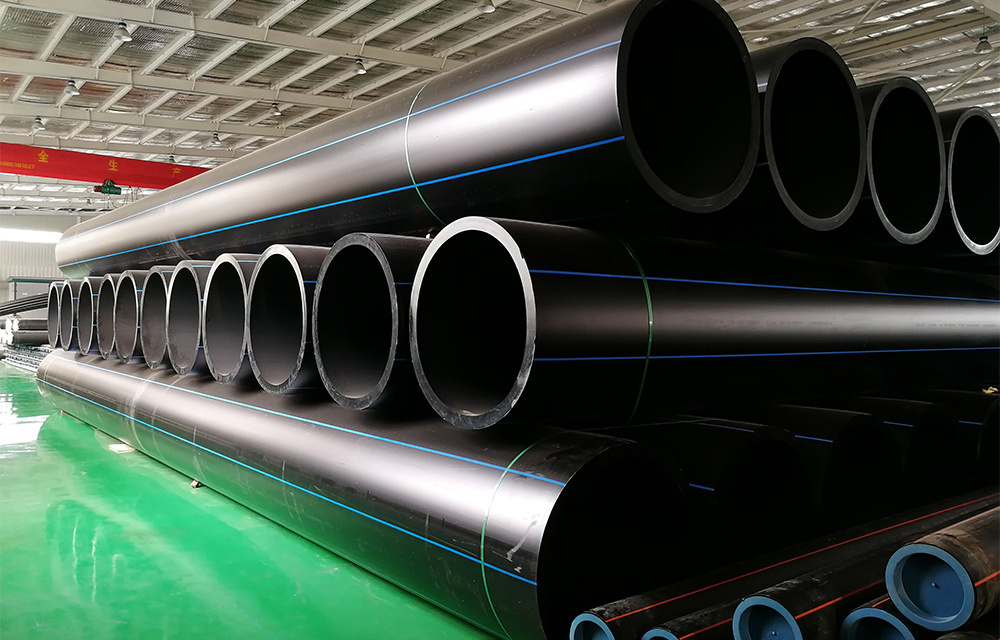
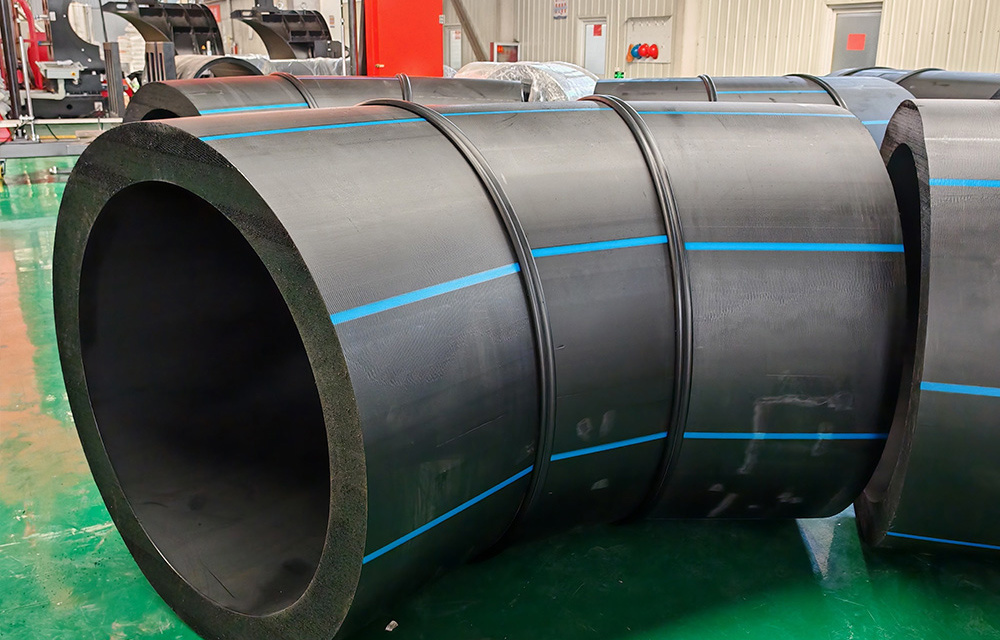
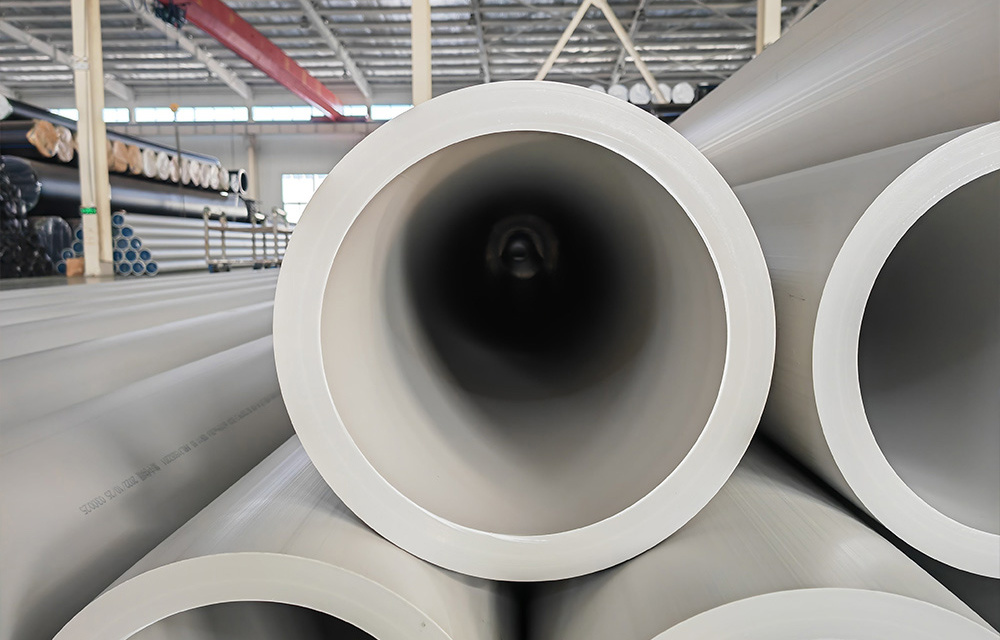
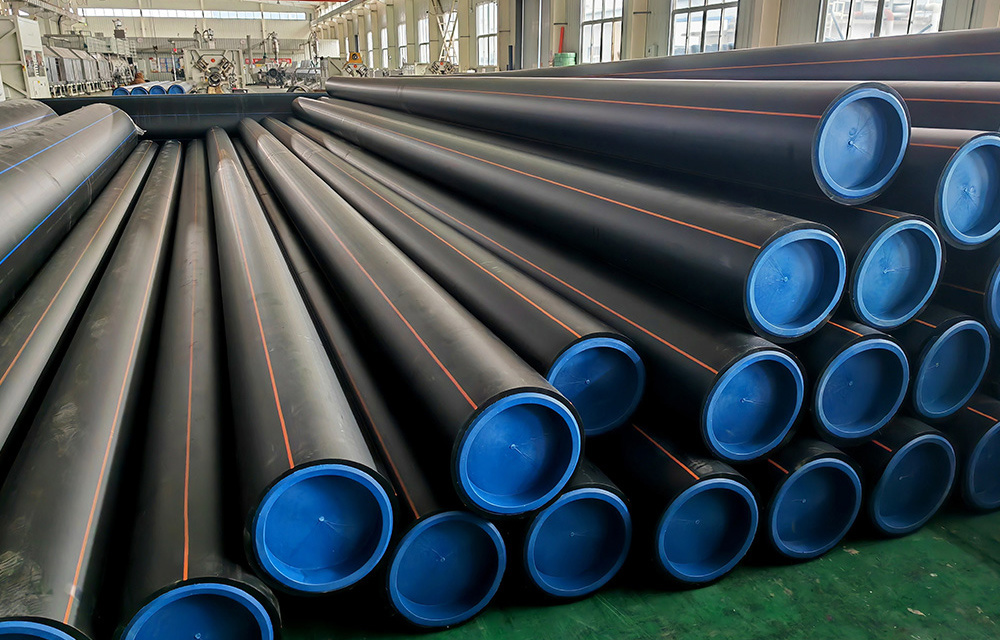
Geothermal systems are an increasingly popular method for harnessing the Earth’s natural heat for energy efficiency and sustainability. One critical component in these systems is the piping, which is essential for transferring heat between the ground and the building. High-Density Polyethylene (HDPE) pipes have emerged as a preferred choice for geothermal systems due to their unique properties and
HDPE pipes are known for their excellent durability and resistance to corrosion, which are vital characteristics in geothermal applications. Unlike traditional metal pipes, HDPE does not rust or corrode, ensuring a longer lifespan and reducing the need for frequent replacements. This durability is particularly important in geothermal systems where pipes are buried underground and exposed to various soil conditions.
Another significant advantage of HDPE pipes is their flexibility. This characteristic allows for easier installation and reduces the risk of damage during the process. With the ability to bend without breaking, HDPE can adapt to different terrain variations, making it suitable for various geographical locations. This flexibility also allows for fewer joints, minimizing potential leak points within the system.
The thermal conductivity of HDPE is another factor that enhances its suitability for geothermal systems. While HDPE is not the best conductor of heat, its insulating properties help maintain temperature levels within the system. This insulation is crucial for maximizing the efficiency of the geothermal heat exchange process, ensuring that energy is effectively transferred between the ground and the building.
Furthermore, HDPE pipes are lightweight, which facilitates easier handling and installation. Unlike heavier materials, HDPE can be transported and installed with less labor and equipment, resulting in lower installation costs. Additionally, their lightweight nature allows for the use of smaller machinery, further reducing the impact on the surrounding environment during installation.
In terms of environmental impact, the use of HDPE pipes aligns with the sustainability goals of geothermal systems. HDPE is recyclable, and its production involves less energy compared to traditional piping materials. By choosing HDPE for geothermal applications, industry professionals contribute to a more sustainable future while also benefiting from the performance advantages it offers.
In conclusion, HDPE pipes are a vital component of geothermal systems, providing durability, flexibility, and thermal insulation. Their lightweight nature and eco-friendly characteristics make them an ideal choice for both new installations and retrofitting existing systems. As the demand for renewable energy solutions continues to grow, understanding the role of HDPE pipes in geothermal applications will be essential for professionals in the industrial equipment sector.

Customer Service Hotline
Sales Department Email
Website (Web)
Customer Service Email
Business Cooperation Email
Address
No.32 Donghai Road, Cangzhou Development Zone, Hebei Province, China
Company Address
No. 32 Donghai Road, Cangzhou Development Zone, Hebei Province, China