


08
2026
-
09
The Importance of PE4710 Pipe in Transportation of Fluids: A Comprehensive Guide
The Importance of PE4710 Pipe in Transportation of Fluids Introduction to PE4710 Pipe The PE4710 pipe is a high-density polyethylene (HDPE) product that has become increasingly vital in the transportation of fluids across various industries. Due to its superior chemical resistance, durability, and flexibility, this material is extensively used in applications ranging from water supply systems to g
The Importance of PE4710 Pipe in Transportation of Fluids
Introduction to PE4710 Pipe
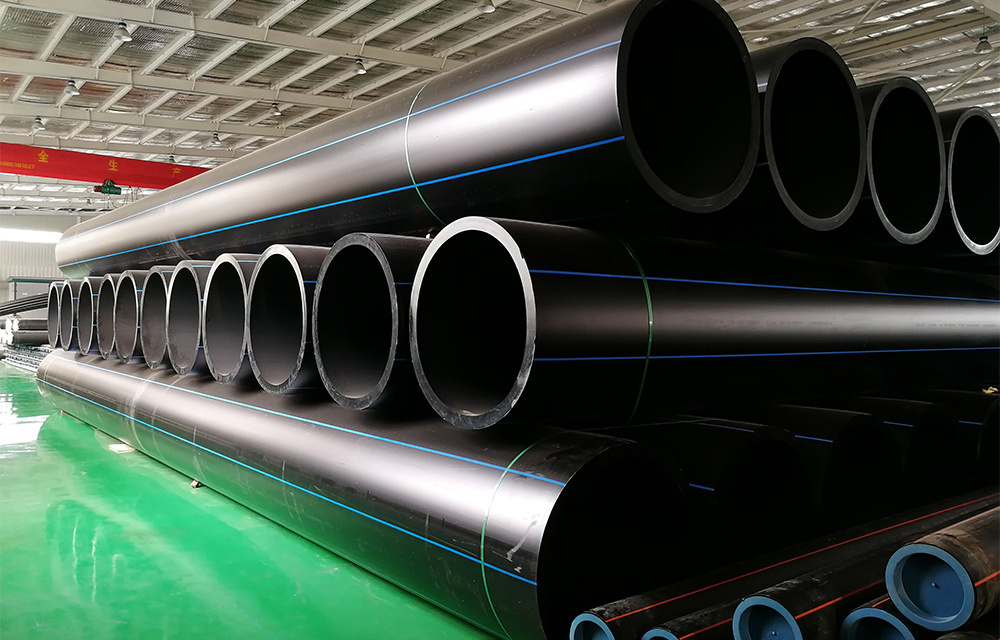
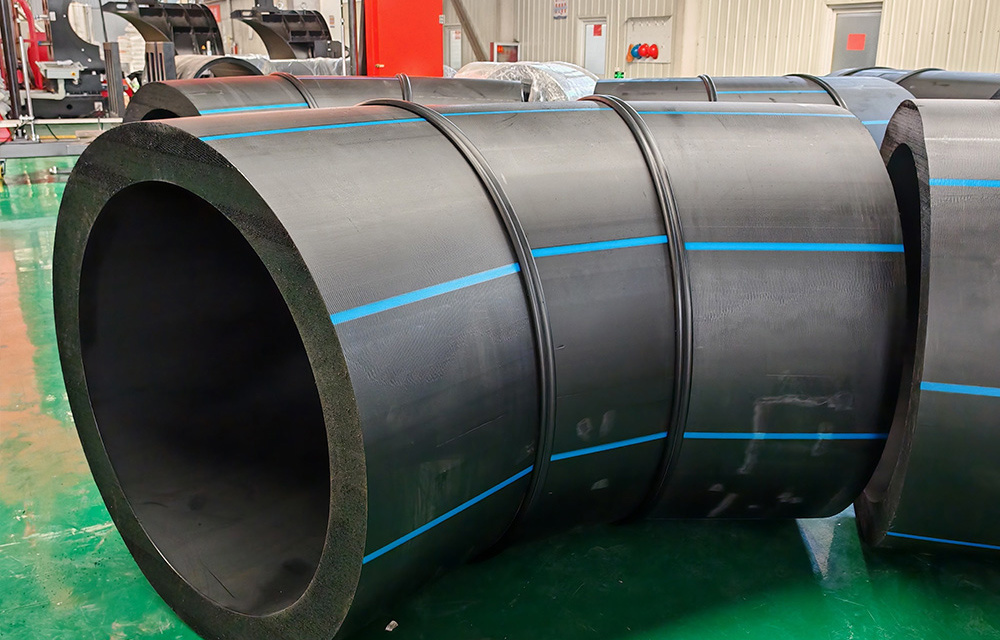
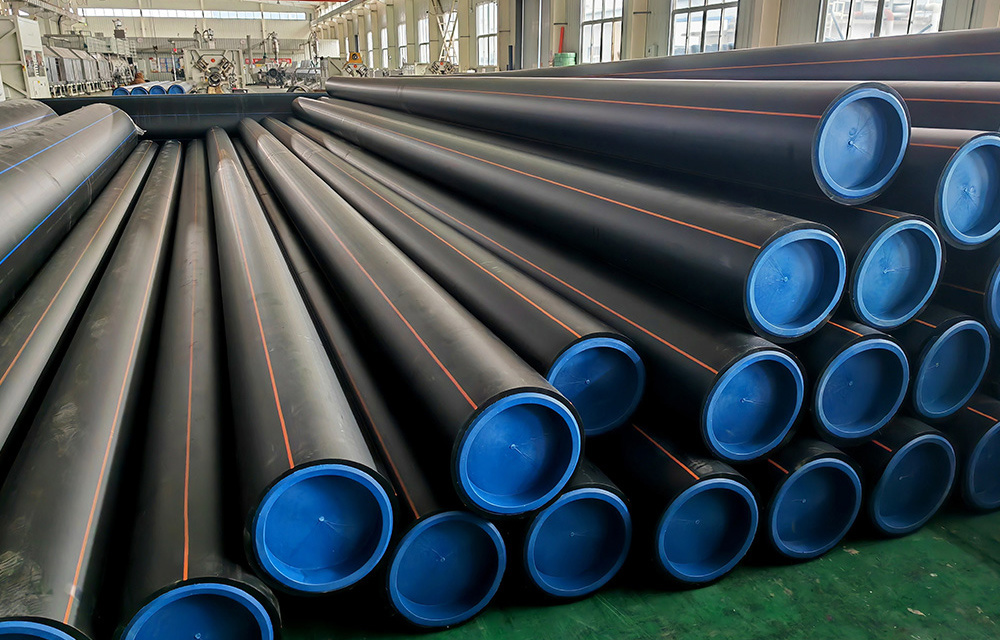
The PE4710 pipe is a high-density polyethylene (HDPE) product that has become increasingly vital in the transportation of fluids across various industries. Due to its superior chemical resistance, durability, and flexibility, this material is extensively used in applications ranging from water supply systems to gas distribution. Understanding the importance of PE4710 pipe can help industries improve operational efficiencies, reduce downtime, and ensure compliance with stringent safety regulations.
What Makes PE4710 Pipe Unique?
Material Properties
PE4710 pipes are designed to meet high standards of performance, particularly in demanding environments. Here are some of the standout properties:
- **High Density**: The high-density nature of PE4710 provides excellent resistance to environmental stress cracking.
- **Chemical Resistance**: These pipes can withstand a wide range of chemicals, making them suitable for various fluid types.
- **Flexibility**: PE4710 pipes are remarkably flexible, allowing for easy installation and modification in complex systems.
- **Low Thermal Conductivity**: This property helps in maintaining the temperature of the transported fluids, reducing heat loss.
Standards and Certifications
PE4710 pipes are produced in compliance with various standards, including ASTM D3350 and AWWA C901, which ensure their reliability in fluid transportation. These certifications guarantee that the pipes meet the necessary criteria for pressure ratings and long-term performance.
Advantages of Using PE4710 Pipe
Long Lifespan and Durability
One of the most significant benefits of using PE4710 pipe is its longevity. With a lifespan exceeding 50 years under normal conditions, it significantly reduces the need for frequent replacements. This durability translates to lower maintenance costs and reduced environmental impact.
Cost-Effectiveness
Investing in PE4710 pipes can lead to long-term savings. Although the initial cost may be higher than other materials, the reduced maintenance, lower installation costs, and extended lifecycle make it a financially sound choice for businesses.
Environmental Impact
The material used in PE4710 pipes is recyclable, contributing to environmental sustainability. By choosing PE4710, industries can help reduce plastic waste and promote eco-friendly practices.
Applications of PE4710 Pipe in Fluid Transportation
Water Supply Systems
PE4710 pipes are widely used in municipal and industrial water supply systems. Their resistance to corrosion and ability to handle a wide range of temperatures make them ideal for transporting potable water.
Gas Distribution
In natural gas distribution networks, PE4710 pipes are favored for their flexibility and resistance to various chemicals. They can safely transport gases over long distances without the risk of leaks.
Wastewater Management
The chemical resistance of PE4710 makes it suitable for wastewater management systems. These pipes can handle aggressive fluids without degrading, ensuring reliable operation in treatment facilities.
Industrial Applications
Various industries, including chemical processing and oil and gas, utilize PE4710 pipes for transporting chemicals and other fluids. Their high-pressure ratings and compatibility with various substances allow for diverse applications.
Installation Guidelines for PE4710 Pipe
Preparation and Planning
Before installation, proper planning is crucial. It involves assessing the site conditions, determining the required pipe diameter, and selecting appropriate fittings and joints.
Trenching and Backfilling
When installing PE4710 pipes, proper trenching techniques must be employed to avoid damage. The trench should be wide enough to accommodate the pipe while allowing space for bedding and backfill.
Joining Methods
There are several methods for joining PE4710 pipes, including butt fusion, electrofusion, and mechanical fittings. Each method has its advantages, and the choice depends on the specific application and environment.
Maintenance and Inspection of PE4710 Pipe Systems
Regular Inspections
To ensure optimal performance, regular inspections should be conducted. This includes checking for visible signs of wear, leaks, or any environmental factors that could compromise the integrity of the pipe.
Cleaning and Maintenance Practices
Proper cleaning techniques help maintain the efficiency of the PE4710 pipe systems. Avoid using harsh chemicals that could damage the material. Instead, focus on mechanical cleaning methods that are safe for HDPE.
Comparative Analysis: PE4710 vs. Other Pipe Materials
PE4710 vs. PVC
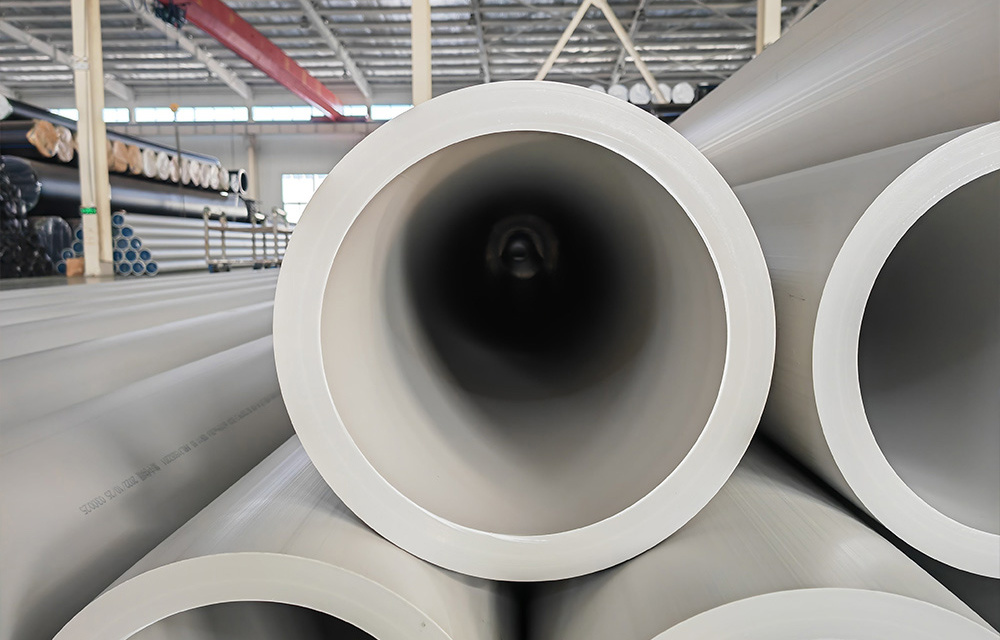
While both PE4710 and PVC pipes are used for fluid transportation, PE4710 offers superior flexibility and chemical resistance. PVC is more rigid and can be prone to cracking under stress, making PE4710 a better choice for dynamic environments.
PE4710 vs. Steel Pipes
Steel pipes are known for their strength but can suffer from corrosion and require regular maintenance. PE4710 pipes provide an alternative that is lightweight, corrosion-resistant, and generally requires less maintenance.
Frequently Asked Questions (FAQs)
1. How long does PE4710 pipe last?
PE4710 pipes typically have a lifespan of over 50 years, depending on environmental conditions and maintenance practices.
2. Can PE4710 pipes be recycled?
Yes, PE4710 pipes are recyclable, contributing to environmental sustainability.
3. Are PE4710 pipes suitable for high-pressure applications?
Yes, PE4710 pipes have high-pressure ratings, making them suitable for various applications, including gas and water transportation.
4. What is the temperature range for PE4710 pipes?
PE4710 pipes can handle a wide temperature range, typically from -40°F to 140°F (-40°C to 60°C), depending on the specific application.
5. How do I join PE4710 pipes?
PE4710 pipes can be joined using methods such as butt fusion, electrofusion, and mechanical fittings, depending on the installation requirements.
Conclusion
In summary, the **PE4710 pipe** plays a crucial role in the transportation of fluids across various industries. Its unique properties, such as high density, chemical resistance, and flexibility, make it the material of choice for water supply, gas distribution, and wastewater management. By investing in PE4710 pipes, companies can achieve greater efficiency, cost-effectiveness, and environmental sustainability. As industries continue to evolve, the importance of reliable fluid transportation solutions like PE4710 will only grow, making it an essential component of modern infrastructure.

Customer Service Hotline
Sales Department Email
Website (Web)
Customer Service Email
Business Cooperation Email
Address
No.32 Donghai Road, Cangzhou Development Zone, Hebei Province, China
Company Address
No. 32 Donghai Road, Cangzhou Development Zone, Hebei Province, China