


04
2026
-
05
How HDPE Pipe Enhances Leachate Collection Efficiency: A Comprehensive Guide
How HDPE Pipe Enhances Leachate Collection Efficiency Table of Contents 1. Introduction to Leachate Collection Systems 2. What is HDPE Pipe? 3. Advantages of Using HDPE Pipe 4. Enhancing Leachate Collection Efficiency 5. Installation Techniques for HDPE Pipe 6. Maintenance and Care for HDPE Systems 7. Environmental Impact of HDPE Pipe 8. Case Studies: HDPE in Action 9. Frequentl
How HDPE Pipe Enhances Leachate Collection Efficiency
Table of Contents
- 1. Introduction to Leachate Collection Systems
- 2. What is HDPE Pipe?
- 3. Advantages of Using HDPE Pipe
- 4. Enhancing Leachate Collection Efficiency
- 5. Installation Techniques for HDPE Pipe
- 6. Maintenance and Care for HDPE Systems
- 7. Environmental Impact of HDPE Pipe
- 8. Case Studies: HDPE in Action
- 9. Frequently Asked Questions
- 10. Conclusion
1. Introduction to Leachate Collection Systems
Leachate collection systems play a pivotal role in waste management, particularly in landfills and waste treatment plants. These systems are designed to capture and manage leachate, a contaminated liquid formed when water percolates through waste material. Efficient leachate management not only protects the environment but also ensures compliance with regulatory standards. In this article, we explore how **HDPE (High-Density Polyethylene) pipes** significantly enhance leachate collection efficiency.
2. What is HDPE Pipe?
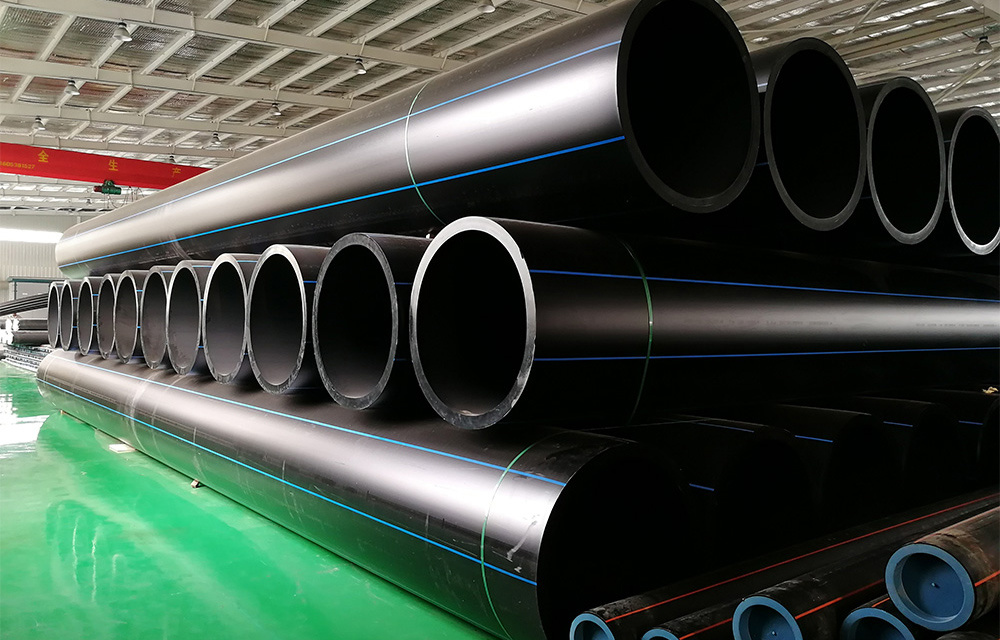
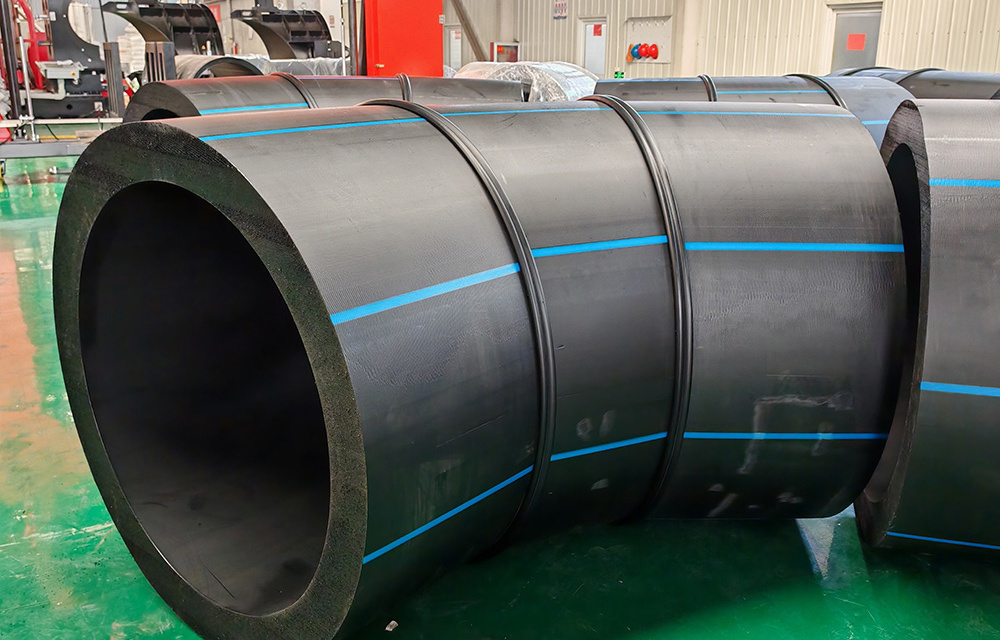
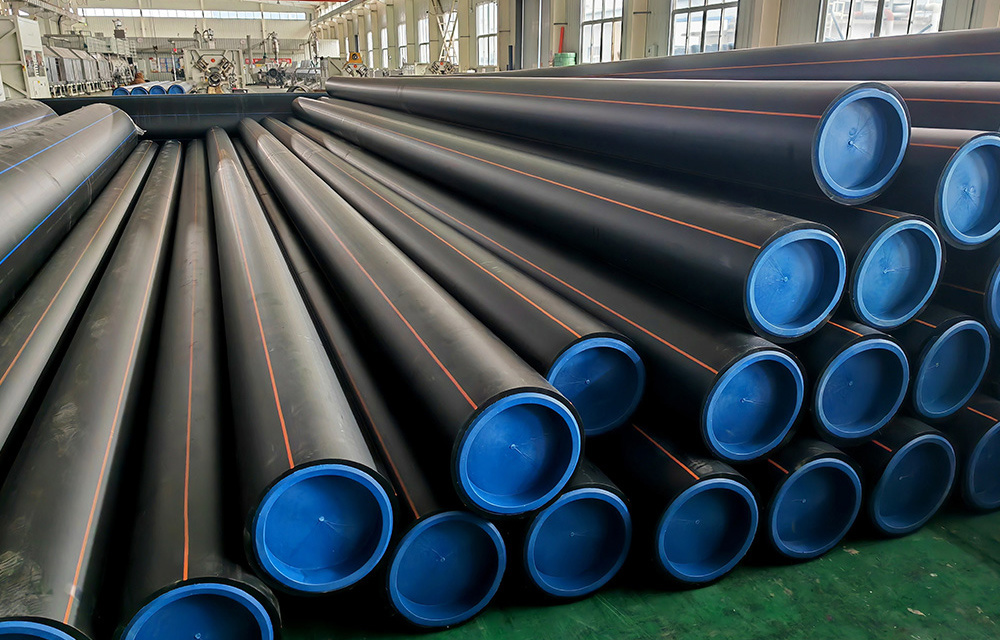
High-Density Polyethylene (HDPE) is a type of plastic that is widely used in various industrial applications, including piping systems. Known for its durability, flexibility, and resistance to corrosion and chemicals, HDPE is the material of choice for leachate collection systems. Its properties make it suitable for handling aggressive waste streams, ensuring longevity and reliability in harsh environments.
3. Advantages of Using HDPE Pipe
There are several compelling reasons why HDPE pipes are preferred for leachate collection systems:
3.1 Durability and Longevity
HDPE pipes are designed to withstand harsh conditions, including exposure to chemicals and extreme temperatures, making them exceptionally durable. They can last for decades without significant degradation, reducing the need for frequent replacements.
3.2 Corrosion Resistance
One of the greatest challenges in waste management is the corrosive nature of leachate. HDPE is highly resistant to corrosion, ensuring that the piping system remains intact and functional over time.
3.3 Flexibility and Ease of Installation
HDPE pipes are lightweight and flexible, making them easy to transport and install. Their flexibility allows for bending around obstacles without compromising the integrity of the pipe.
3.4 Cost-Effectiveness
While the initial investment in HDPE may be higher than traditional materials, the long-term savings in maintenance, replacement, and operational efficiency often outweigh the upfront costs.
4. Enhancing Leachate Collection Efficiency
The efficiency of a leachate collection system is vital for effective waste management. HDPE pipes contribute to this efficiency through several mechanisms:
4.1 Improved Flow Rates
The smooth interior surface of HDPE pipes reduces friction, allowing leachate to flow more freely. This increased flow rate helps prevent the accumulation of leachate, minimizing the risk of overflow and contamination.
4.2 Effective Permeability
HDPE pipes can be installed in a configuration that maximizes their permeability, ensuring that leachate is collected consistently across the entire landfill. This uniformity is crucial for maintaining the integrity of the waste management system.
4.3 Resistance to Blockage
Thanks to their smooth surfaces and flexible design, HDPE pipes are less prone to blockages compared to traditional materials. This resistance is essential for maintaining optimal leachate flow and preventing costly downtime.
5. Installation Techniques for HDPE Pipe
Proper installation is key to the success of any piping system. When it comes to HDPE pipes, certain techniques can be employed to maximize performance:
5.1 Trenching Methods
Using trenching methods allows for effective placement of HDPE pipes in the ground. Care must be taken to ensure that trenches are properly sized and that the pipes are laid at the correct gradient for optimal drainage.
5.2 Fusion Welding
Fusion welding is the preferred method for joining HDPE pipes. This technique creates a strong, seamless connection that enhances durability and prevents leaks, ensuring a robust leachate collection system.
5.3 Use of Geotextiles
Incorporating geotextiles can improve the efficiency of leachate collection. These materials help to filter out debris and solids, allowing for a smoother flow within the HDPE pipes.
6. Maintenance and Care for HDPE Systems
To ensure the longevity and efficiency of HDPE piping systems, regular maintenance is essential:
6.1 Routine Inspections
Conducting regular inspections of the leachate collection system helps identify potential issues before they escalate. Check for any signs of wear, blockages, or leaks.
6.2 Cleaning Procedures
Implementing a cleaning schedule helps maintain optimal flow rates within the HDPE pipes. High-pressure water jetting can effectively remove any buildup that may occur inside the pipes.
6.3 Monitoring Leachate Quality
Regularly testing the leachate quality can provide insights into the effectiveness of the collection system. Monitoring parameters such as pH, chemical composition, and clarity can help manage treatment processes efficiently.
7. Environmental Impact of HDPE Pipe
The use of HDPE pipes in leachate collection systems not only offers operational benefits but also contributes positively to environmental sustainability:
7.1 Reduced Risk of Contamination
By efficiently collecting leachate, HDPE pipes help mitigate the risk of groundwater contamination. This is critical for protecting surrounding ecosystems and ensuring compliance with environmental regulations.
7.2 Recyclability
HDPE is a recyclable material, making it an environmentally friendly choice for piping systems. At the end of their lifespan, HDPE pipes can be repurposed, minimizing waste.
7.3 Lower Carbon Footprint
The durability and longevity of HDPE pipes contribute to a lower carbon footprint compared to traditional materials, as they require less frequent replacement and maintenance, reducing overall resource consumption.
8. Case Studies: HDPE in Action
Real-world applications of HDPE pipes in leachate collection systems underscore their effectiveness:
8.1 Case Study 1: Urban Landfill
At a major urban landfill, HDPE pipes were installed to enhance leachate collection. The result was a significant reduction in leachate overflow incidents and improved compliance with environmental regulations.
8.2 Case Study 2: Industrial Waste Treatment Facility
An industrial waste treatment facility adopted HDPE piping to manage leachate. The facility reported increased operational efficiency and a decrease in maintenance costs, demonstrating the long-term benefits of HDPE systems.
9. Frequently Asked Questions
9.1 What is the lifespan of HDPE pipes?
HDPE pipes can last over 50 years with proper installation and maintenance.
9.2 Are HDPE pipes resistant to UV exposure?
Yes, HDPE pipes can be treated with UV stabilizers to enhance their resistance to sunlight degradation.
9.3 Can HDPE pipes be used for other applications?
HDPE pipes are versatile and can be used for various applications, including water distribution, gas distribution, and telecommunications.
9.4 How do HDPE pipes compare to PVC pipes?
HDPE pipes are generally more flexible, durable, and resistant to chemicals compared to PVC pipes.
9.5 What are the environmental benefits of using HDPE pipes?
HDPE pipes reduce contamination risk, are recyclable, and have a lower carbon footprint than traditional materials.
10. Conclusion
HDPE pipes represent a significant advancement in leachate collection efficiency. Their durability, chemical resistance, and ease of installation make them an ideal choice for managing leachate in industrial and landfill settings. As we continue to prioritize environmental sustainability and efficient waste management, HDPE pipes will undoubtedly play a crucial role in enhancing leachate collection systems. By adopting these innovative solutions, industries can ensure compliance, protect natural resources, and contribute to a cleaner, healthier planet.

Customer Service Hotline
Sales Department Email
Website (Web)
Customer Service Email
Business Cooperation Email
Address
No.32 Donghai Road, Cangzhou Development Zone, Hebei Province, China
Company Address
No. 32 Donghai Road, Cangzhou Development Zone, Hebei Province, China