


14
2026
-
05
Essential Insights on HDPE Pipe for Pipe Jacking: Benefits, Applications, and Considerations
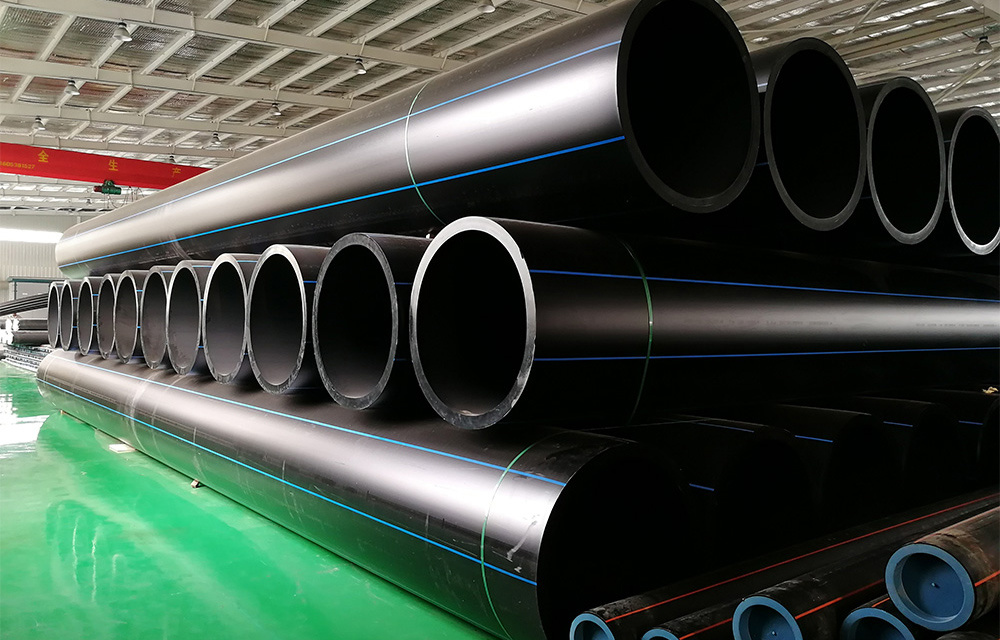
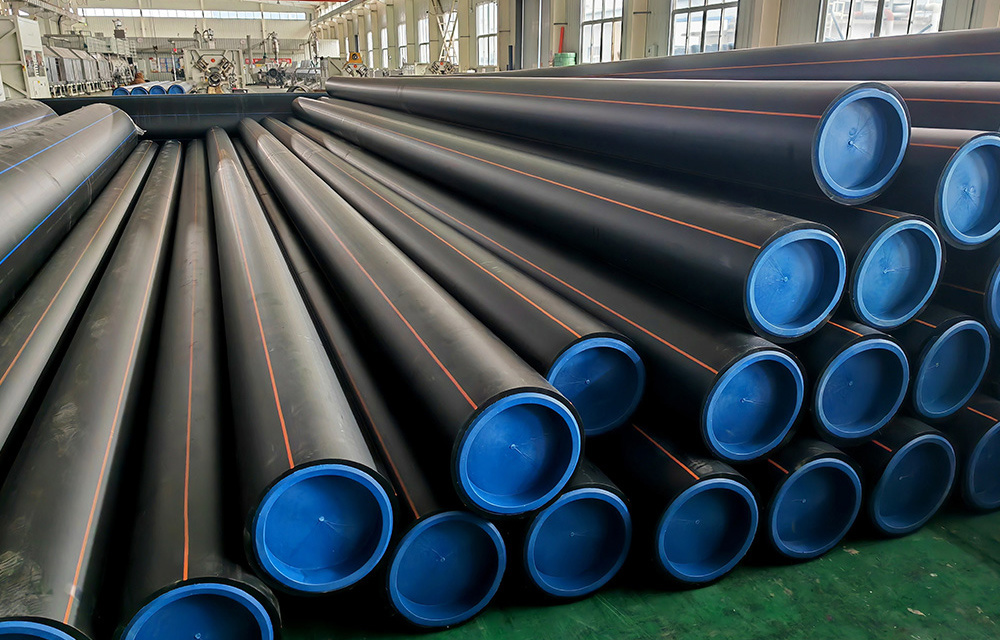
High-Density Polyethylene (HDPE) pipes have emerged as a preferred choice in various civil engineering applications, particularly in the pipe jacking process. This method involves the installation of underground pipes by pushing them through the earth, a technique that minimizes surface disruption and is particularly useful in urban environments. The characteristics of HDPE pipes make them excepti
One of the main advantages of using HDPE pipes for pipe jacking is their high resistance to various chemicals and environmental factors. Unlike traditional materials such as concrete or steel, HDPE offers superior corrosion resistance, which is crucial when dealing with potentially aggressive soil and groundwater conditions. This property extends the lifespan of the pipes and reduces maintenance costs over time.
Another benefit is the flexibility and toughness of HDPE material. This flexibility allows for some degree of bending and movement, which is advantageous when navigating through the underground terrain. As the pipe is jacked into place, its ability to withstand stress without cracking or breaking is vital to the success of the installation process. Additionally, the lightweight nature of HDPE pipes makes them easier to handle and transport, further streamlining the jacking process.
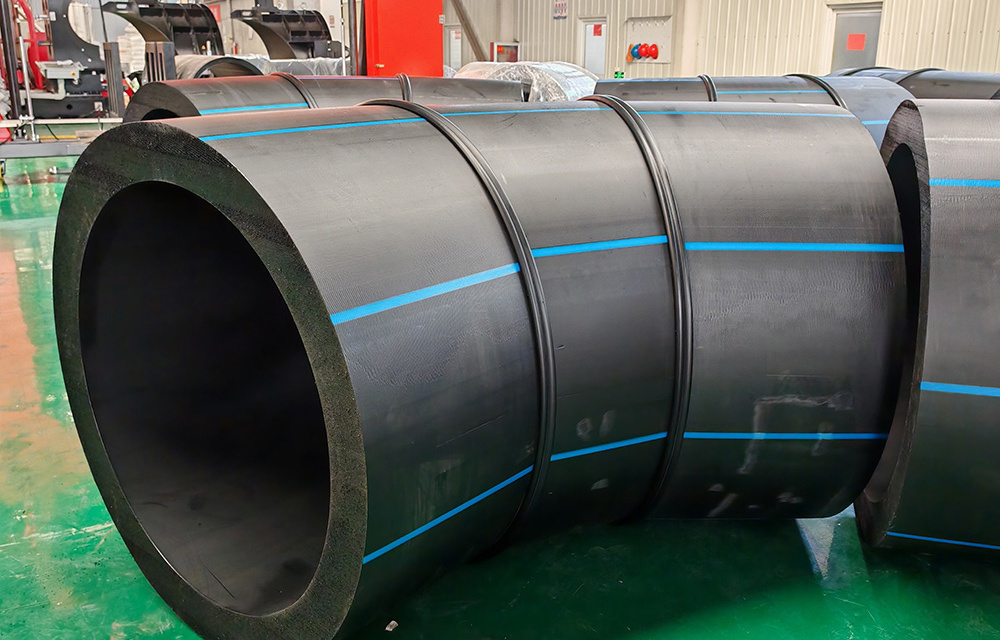
In terms of installation, HDPE pipes can be fused together using various techniques, such as butt fusion or electrofusion. This creates a seamless joint that enhances the structural integrity of the pipeline and minimizes the risk of leaks. The ability to create long lengths of continuous pipe is particularly advantageous in pipe jacking projects, as it reduces the number of joints needed and simplifies the installation process.
When considering the use of HDPE pipes for pipe jacking, professionals should also take into account the specific requirements of their projects. Factors such as pipe diameter, soil conditions, and anticipated loads should be evaluated to ensure optimal performance. Engaging with engineers who specialize in ductile materials and pipe jacking techniques can provide valuable insights and aid in the selection of the appropriate HDPE pipe system.
In conclusion, HDPE pipes are a versatile and efficient option for the pipe jacking process, offering numerous advantages such as chemical resistance, flexibility, and ease of installation. By understanding these benefits and carefully assessing project requirements, professionals in the industrial equipment and components sector can enhance the effectiveness and durability of their piping systems.

Customer Service Hotline
Sales Department Email
Website (Web)
Customer Service Email
Business Cooperation Email
Address
No.32 Donghai Road, Cangzhou Development Zone, Hebei Province, China
Company Address
No. 32 Donghai Road, Cangzhou Development Zone, Hebei Province, China