


02
2026
-
05
Innovative Solutions: How PE4710 Pipe Supports Renewable Energy
Innovative Solutions: How PE4710 Pipe Supports Renewable Energy Table of Contents 1. Introduction to PE4710 Pipe 2. Benefits of PE4710 Pipe in Renewable Energy 3. Applications of PE4710 Pipe in Renewable Energy Systems 4. Manufacturing Process of PE4710 Pipe 5. Sustainability and Environmental Impact 6. Case Studies: Successful Implementation of PE4710 Pipe 7. Expert I
Innovative Solutions: How PE4710 Pipe Supports Renewable Energy
Table of Contents
- 1. Introduction to PE4710 Pipe
- 2. Benefits of PE4710 Pipe in Renewable Energy
- 3. Applications of PE4710 Pipe in Renewable Energy Systems
- 4. Manufacturing Process of PE4710 Pipe
- 5. Sustainability and Environmental Impact
- 6. Case Studies: Successful Implementation of PE4710 Pipe
- 7. Expert Insights on the Future of PE4710 Pipe
- 8. Frequently Asked Questions
- 9. Conclusion
1. Introduction to PE4710 Pipe
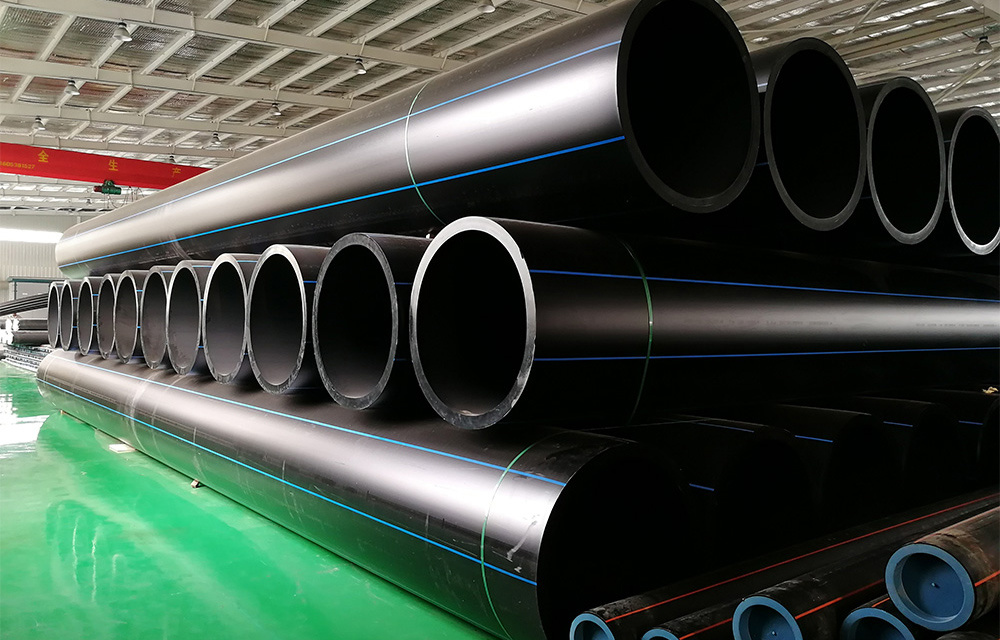
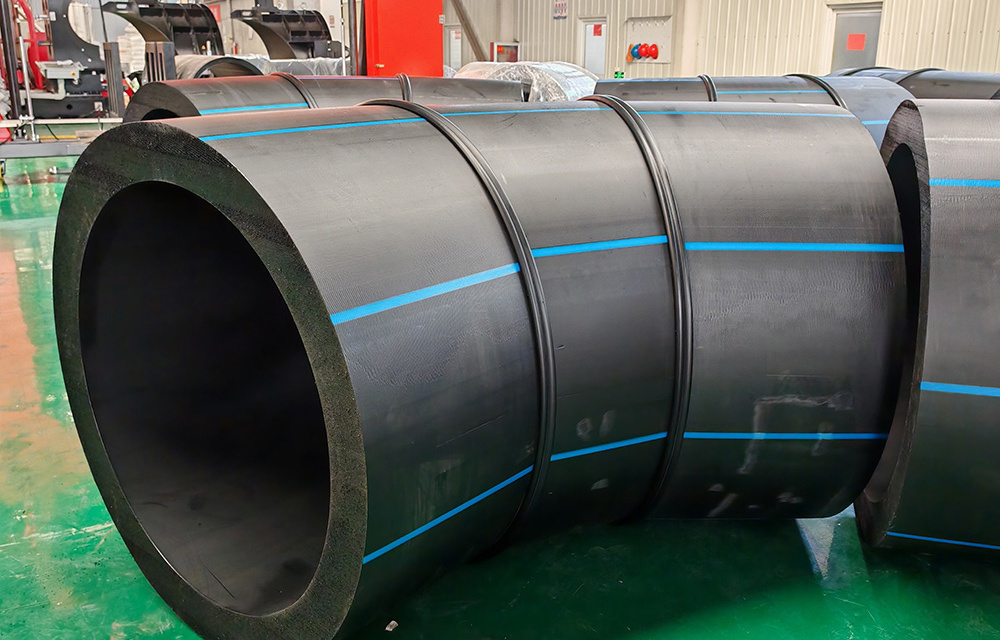
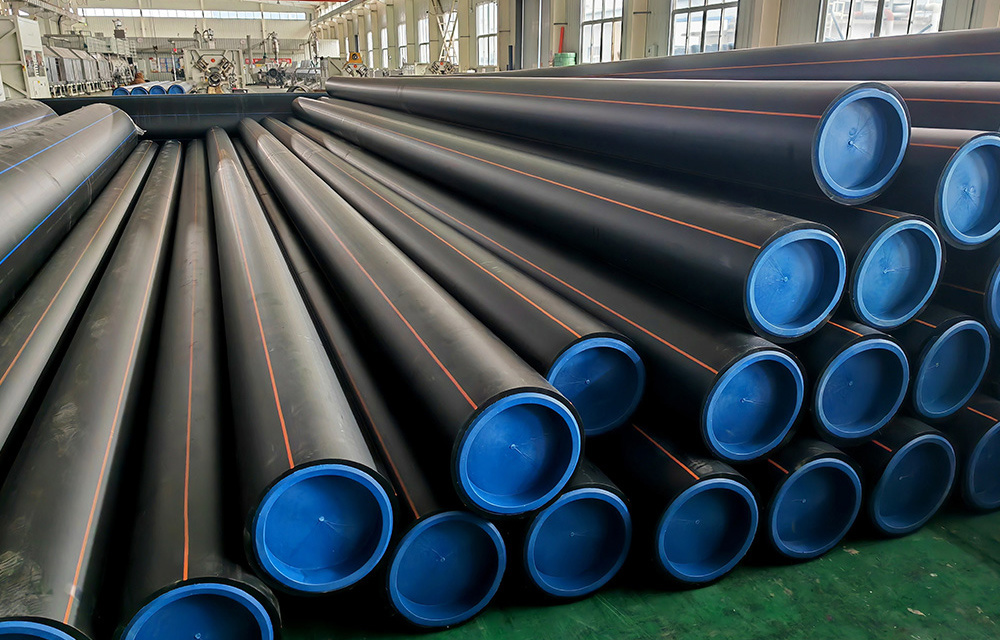
The **PE4710 pipe** is a high-density polyethylene (HDPE) piping solution renowned for its robustness and versatility. Designed to meet stringent industry standards, it is particularly favored in the **renewable energy sector** for its ability to withstand extreme conditions. Its properties make it an ideal choice for transporting fluids, including those used in solar, wind, and geothermal energy systems.
This article will explore the innovative ways in which PE4710 pipe contributes to renewable energy solutions, its multifaceted applications, and the benefits that position it as a key player in a sustainable future.
2. Benefits of PE4710 Pipe in Renewable Energy
The adoption of PE4710 pipes in renewable energy applications is driven by various advantages. Here are some key benefits:
2.1 Durability and Longevity
PE4710 pipes are engineered to resist corrosion, chemical exposure, and environmental stressors. Their long lifespan minimizes the need for frequent replacements, making them an economically viable choice for energy projects.
2.2 Lightweight and Easy to Install
Weighing significantly less than traditional metal pipes, PE4710 pipes are easier to handle and install. This feature reduces labor costs and expedites project timelines, allowing for quicker deployment of renewable energy infrastructure.
2.3 High Flow Rate and Efficiency
The smooth internal surface of PE4710 pipes enhances fluid flow efficiency, reducing energy loss during transportation. This is crucial for applications in which maximizing energy transfer is essential.
2.4 Resistance to Temperature Fluctuations
PE4710 pipes can handle a wide range of temperatures, making them suitable for diverse climatic conditions. This adaptability ensures that renewable energy systems can operate efficiently regardless of local weather conditions.
3. Applications of PE4710 Pipe in Renewable Energy Systems
The versatility of PE4710 pipe allows it to be used in various renewable energy applications. Below are some prominent uses:
3.1 Solar Power Systems
In solar energy installations, PE4710 pipes are used for the transport of heat transfer fluids. Their ability to stand up against UV exposure and heat makes them particularly effective in solar thermal applications.
3.2 Wind Energy Infrastructure
PE4710 pipes are essential in wind energy systems, particularly for cooling and hydraulic systems. They efficiently manage the fluids required for turbine operation, ensuring optimal performance and energy output.
3.3 Geothermal Energy Systems
As geothermal energy continues to gain traction, PE4710 pipes provide reliable transport of thermal fluids. Their thermal resistance and durability make them ideal for the demanding conditions often found in geothermal applications.
4. Manufacturing Process of PE4710 Pipe
The manufacturing process of PE4710 pipes involves advanced techniques that enhance their quality and performance.
4.1 Raw Material Selection
The foundation of PE4710 pipes lies in high-quality polyethylene resins. These materials are selected for their durability and resistance to environmental factors.
4.2 Extrusion Process
The selected resin is heated and extruded to form pipes. This process involves meticulous control of temperature and pressure to ensure uniformity and strength throughout the pipe.
4.3 Quality Testing
Post-manufacturing, PE4710 pipes undergo rigorous testing to ensure compliance with industry standards. Tests for impact resistance, tensile strength, and flexibility are conducted to guarantee reliability in the field.
5. Sustainability and Environmental Impact
As the world pivots toward sustainable energy practices, the environmental impact of materials plays a crucial role. PE4710 pipes support sustainability in several ways:
5.1 Recyclability
PE4710 pipes are recyclable, contributing to a circular economy. When decommissioned, they can be reprocessed and repurposed, reducing waste and the demand for new raw materials.
5.2 Lower Carbon Footprint
The lightweight nature of PE4710 pipes leads to lower transportation emissions. Their durability further reduces the need for replacements, thus decreasing the overall carbon footprint of renewable energy projects.
5.3 Contribution to Renewable Energy Goals
By enabling efficient fluid transport in various renewable energy systems, PE4710 pipes play a vital role in achieving global renewable energy targets. Their reliable performance directly supports the transition to cleaner energy sources.
6. Case Studies: Successful Implementation of PE4710 Pipe
Real-world examples illustrate the effectiveness of PE4710 pipes in renewable energy applications.
6.1 Solar Farm in California
A large-scale solar farm in California utilized PE4710 pipes for its solar thermal system. The pipes' resistance to UV degradation ensured efficient heat transfer, contributing to the farm's overall energy output.
6.2 Wind Farm in Texas
In Texas, a wind farm incorporated PE4710 pipes into its cooling systems for turbines. The lightweight material reduced installation time and labor costs, while its durability ensured reliable operation during extreme weather events.
6.3 Geothermal Plant in Iceland
A geothermal energy project in Iceland employed PE4710 pipes for transporting geothermal fluids. Their exceptional thermal resistance facilitated a consistent supply of energy, showcasing the pipes' effectiveness in challenging environments.
7. Expert Insights on the Future of PE4710 Pipe
Industry experts recognize the potential of PE4710 pipes in shaping the future of renewable energy.
7.1 Advancements in Material Technology
Continuous advancements in material technology are expected to enhance the performance of PE4710 pipes, making them even more suitable for high-demand energy applications.
7.2 Increasing Adoption in Emerging Markets
As developing countries invest in renewable energy infrastructure, the demand for durable and efficient materials like PE4710 pipes is likely to rise, driving innovation in this sector.
7.3 Integration with Smart Technologies
The integration of PE4710 pipes with smart technology could foster greater efficiency in energy management, enabling real-time monitoring and optimization of renewable energy systems.
8. Frequently Asked Questions
8.1 What is PE4710 pipe made of?
PE4710 pipe is made from high-density polyethylene (HDPE), designed for strength and durability in various applications.
8.2 How long does PE4710 pipe last?
PE4710 pipes can last for decades, depending on environmental factors and the specific application they are used in.
8.3 Can PE4710 pipes be recycled?
Yes, PE4710 pipes are recyclable and can be reprocessed to create new products, reducing waste.
8.4 What are the temperature limits for PE4710 pipes?
PE4710 pipes can withstand a wide range of temperatures, making them suitable for many environmental conditions.
8.5 Are there any certifications for PE4710 pipe?
Yes, PE4710 pipes meet various industry standards and certifications, ensuring their reliability and performance in renewable energy applications.
9. Conclusion
In summary, PE4710 pipe is a revolutionary solution that supports renewable energy initiatives through its durability, efficiency, and sustainability. As the global demand for clean energy continues to rise, the role of advanced materials like PE4710 pipe becomes increasingly crucial. Its diverse applications in solar, wind, and geothermal energy systems demonstrate its versatility and effectiveness. By adopting PE4710 pipes, industries can not only enhance their operational efficiency but also contribute to a more sustainable future. Through innovation and commitment, PE4710 pipe stands out as a key player in the renewable energy landscape, paving the way for a greener tomorrow.
Previous Page

Customer Service Hotline
Sales Department Email
Website (Web)
Customer Service Email
Business Cooperation Email
Address
No.32 Donghai Road, Cangzhou Development Zone, Hebei Province, China
Company Address
No. 32 Donghai Road, Cangzhou Development Zone, Hebei Province, China