


30
2026
-
04
Future Trends: HDPE Pipe Innovations in Pipe Jacking
Future Trends: HDPE Pipe Innovations in Pipe Jacking Table of Contents 1. Introduction to HDPE Pipe Jacking 2. Advantages of HDPE Pipes in Pipe Jacking 3. Innovative Materials and Technologies 4. Advanced Installation Techniques 5. Sustainable Practices in Pipe Jacking 6. Future Trends in HDPE Pipe Innovations 7. Case Studies: Successful Applications 8. Frequently
Future Trends: HDPE Pipe Innovations in Pipe Jacking
Table of Contents
- 1. Introduction to HDPE Pipe Jacking
- 2. Advantages of HDPE Pipes in Pipe Jacking
- 3. Innovative Materials and Technologies
- 4. Advanced Installation Techniques
- 5. Sustainable Practices in Pipe Jacking
- 6. Future Trends in HDPE Pipe Innovations
- 7. Case Studies: Successful Applications
- 8. Frequently Asked Questions
- 9. Conclusion
1. Introduction to HDPE Pipe Jacking
The construction and maintenance of underground infrastructure is undergoing a significant transformation, thanks to advancements in High-Density Polyethylene (HDPE) pipes and pipe jacking techniques. Pipe jacking, an innovative method for installing pipelines underground, has gained popularity due to its efficiency and minimal surface disruption. As urban areas continue to expand, the demand for reliable, durable, and environmentally-friendly piping solutions has surged. This article explores the **future trends** and **innovations** in HDPE pipe technology that are set to reshape the **pipe jacking industry**.
2. Advantages of HDPE Pipes in Pipe Jacking
HDPE pipes offer a myriad of benefits that make them a preferred choice in the pipe jacking sector. Understanding these advantages is crucial for industry stakeholders.
Durability and Resistance
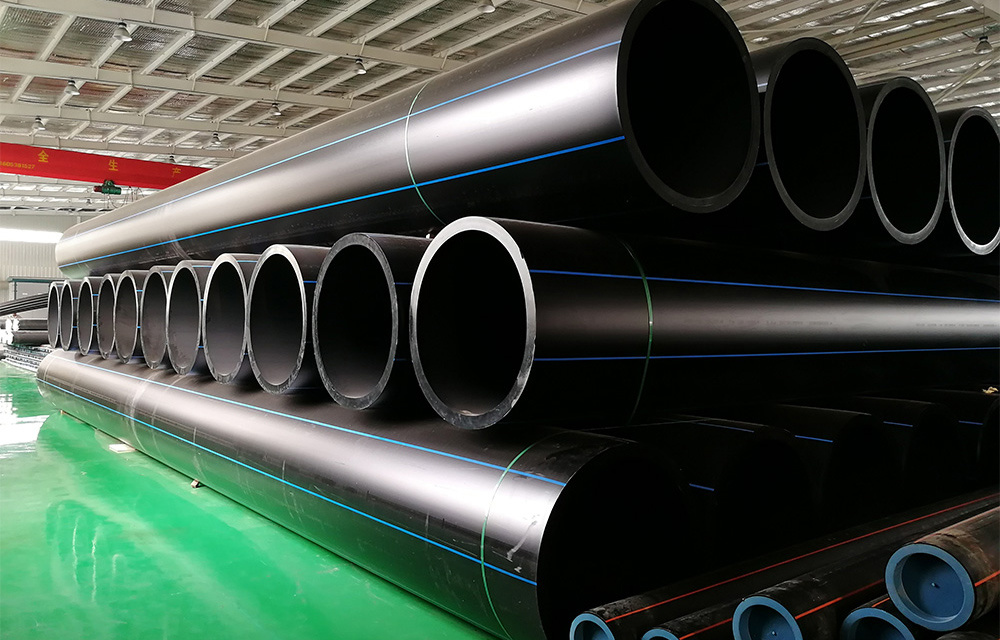
One of the primary advantages of HDPE pipes is their outstanding durability. They are highly resistant to corrosion, chemicals, and environmental stresses, ensuring a long lifespan even in challenging conditions. This resilience reduces maintenance costs and enhances the reliability of underground systems.
Lightweight and Flexible
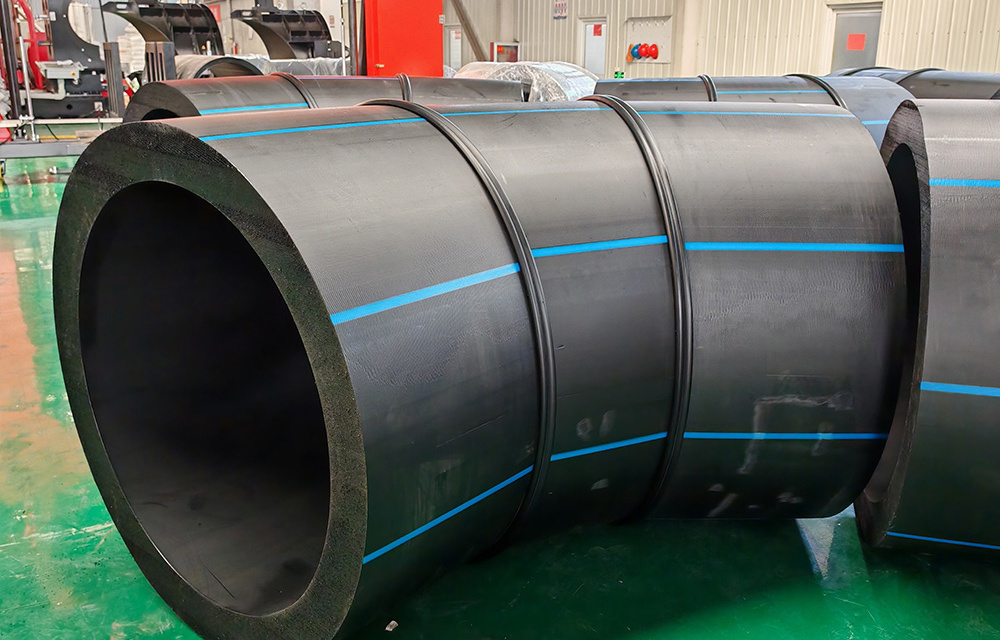
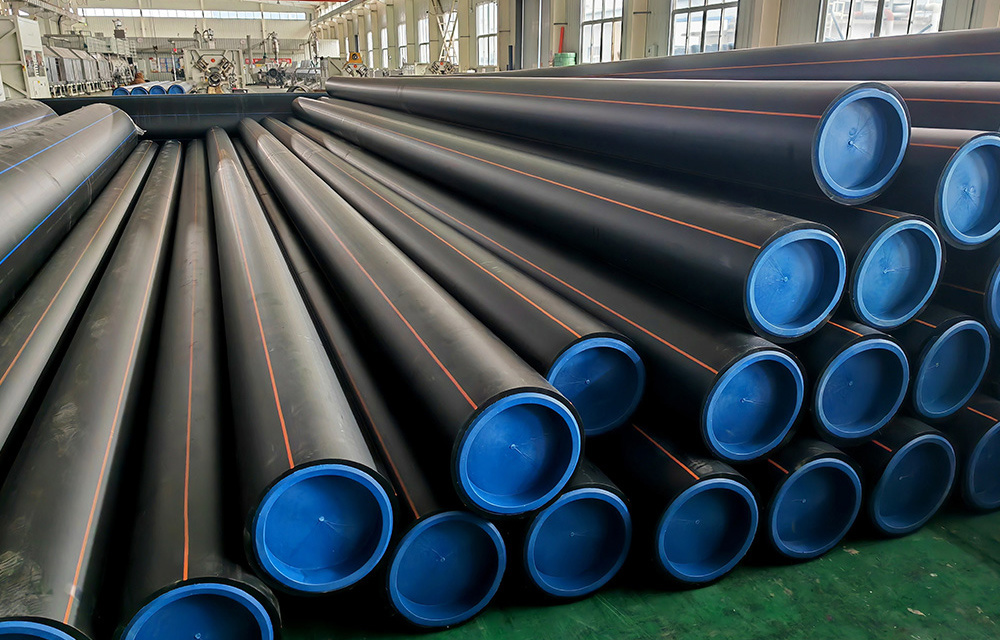
HDPE pipes are significantly lighter than traditional materials like concrete or steel. This lightweight nature allows for easier handling and transportation, reducing labor costs. Furthermore, their flexibility enables them to withstand ground movements without compromising structural integrity.
Ease of Installation
The installation process for HDPE pipes is streamlined due to their compatibility with modern jacking techniques. The ability to use smaller machinery and achieve precise alignments contributes to faster project completion times.
3. Innovative Materials and Technologies
The evolution of HDPE pipe technology is marked by the introduction of innovative materials and techniques that enhance performance.
Enhanced Material Properties
Recent developments have led to the creation of HDPE pipes with superior mechanical properties. These innovations include the incorporation of additives that improve strength, flexibility, and resistance to environmental factors. For example, the addition of carbon black enhances UV resistance, making HDPE pipes suitable for above-ground applications as well.
Smart HDPE Pipes
The integration of sensor technology into HDPE pipes is a groundbreaking innovation. Smart pipes equipped with sensors can monitor conditions such as pressure, flow rates, and potential leaks in real-time. This data-driven approach enables proactive maintenance and reduces the risk of catastrophic failures.
4. Advanced Installation Techniques
The pipe jacking process has evolved significantly over the years, and several advanced installation techniques are gaining traction in the industry.
Horizontal Directional Drilling (HDD)
Horizontal Directional Drilling is a trenchless technology that allows for the installation of HDPE pipes with minimal surface disruption. HDD is particularly useful for crossing obstacles like roads or rivers, making it an attractive option for urban projects.
Microtunneling
Microtunneling is another advanced technique that offers precise installation of HDPE pipes. This method utilizes a remotely operated tunnel boring machine to create a tunnel while simultaneously installing the pipe. This approach minimizes the environmental impact and enhances project efficiency.
5. Sustainable Practices in Pipe Jacking
Sustainability is a growing concern in all sectors, including the construction and infrastructure industries. The integration of sustainable practices is becoming a cornerstone of HDPE pipe jacking.
Recyclability of HDPE
HDPE is 100% recyclable, making it an environmentally friendly choice for pipe installation. The ability to recycle used pipes reduces waste and conserves resources, aligning with global sustainability goals.
Energy Efficiency
The use of HDPE pipes in pipe jacking reduces the energy consumption associated with installation. The reduced need for heavy machinery translates into lower fuel consumption and minimized greenhouse gas emissions.
6. Future Trends in HDPE Pipe Innovations
As the industry progresses, several key trends are expected to shape the future of HDPE pipe innovations in pipe jacking.
Increased Automation
Automation is set to revolutionize the pipe jacking process. The use of robotic technology for installation can enhance precision, reduce labor costs, and improve safety on job sites.
Collaboration with Smart Cities
The development of smart cities is driving the demand for advanced infrastructure solutions. HDPE pipes equipped with smart technology can seamlessly integrate into the infrastructure of smart cities, allowing for efficient resource management and enhanced public service delivery.
Focus on Climate Resilience
As climate change becomes an increasingly pressing issue, the focus on climate resilience will dictate future innovations in HDPE pipes. Solutions that enhance the ability of underground infrastructure to withstand extreme weather events will be in high demand.
7. Case Studies: Successful Applications
To understand the impact of HDPE pipe innovations in pipe jacking, examining successful case studies provides valuable insights.
City of San Francisco: Water Infrastructure Upgrade
San Francisco implemented HDPE pipe jacking to upgrade its aging water infrastructure. The project involved the installation of over 5 miles of HDPE pipes using microtunneling techniques. The initiative reduced surface disruption and expedited the timeline, completing the project 20% faster than traditional methods.
Chicago Transit Authority: Subway Expansion
The Chicago Transit Authority utilized HDPE pipes for a subway expansion project. By employing horizontal directional drilling, the installation minimized community impact, allowing businesses to remain operational throughout the construction phase.
8. Frequently Asked Questions
What is pipe jacking?
Pipe jacking is a trenchless method of installing pipes underground, commonly used for utility installations, where minimal surface disruption is desired.
Why are HDPE pipes preferred over traditional materials?
HDPE pipes are lightweight, durable, flexible, and resistant to corrosion, making them a favored choice for modern infrastructure projects.
How do smart HDPE pipes work?
Smart HDPE pipes incorporate sensors that monitor various parameters, such as pressure and flow rates, providing real-time data for maintenance and management.
What are the environmental benefits of HDPE pipes?
HDPE pipes are 100% recyclable, reducing waste. Additionally, their use in trenchless installation techniques minimizes environmental disruption.
What are the challenges associated with HDPE pipe installation?
Challenges include the need for specialized equipment and skilled labor, as well as potential issues related to ground conditions during installation.
9. Conclusion
The future of HDPE pipe innovations in pipe jacking is bright and filled with possibilities. As technology continues to evolve, the **advantages of HDPE pipes**, combined with new installation techniques and sustainable practices, will drive the industry forward. Stakeholders must stay informed about these trends to leverage the benefits of HDPE pipe technology effectively. By adopting innovative approaches, we can enhance the efficiency, sustainability, and reliability of underground infrastructure, ultimately meeting the demands of modern society.

Customer Service Hotline
Sales Department Email
Website (Web)
Customer Service Email
Business Cooperation Email
Address
No.32 Donghai Road, Cangzhou Development Zone, Hebei Province, China
Company Address
No. 32 Donghai Road, Cangzhou Development Zone, Hebei Province, China