


19
2026
-
04
Understanding the Role of HDPE Pipe in Managing Landfill Leachate
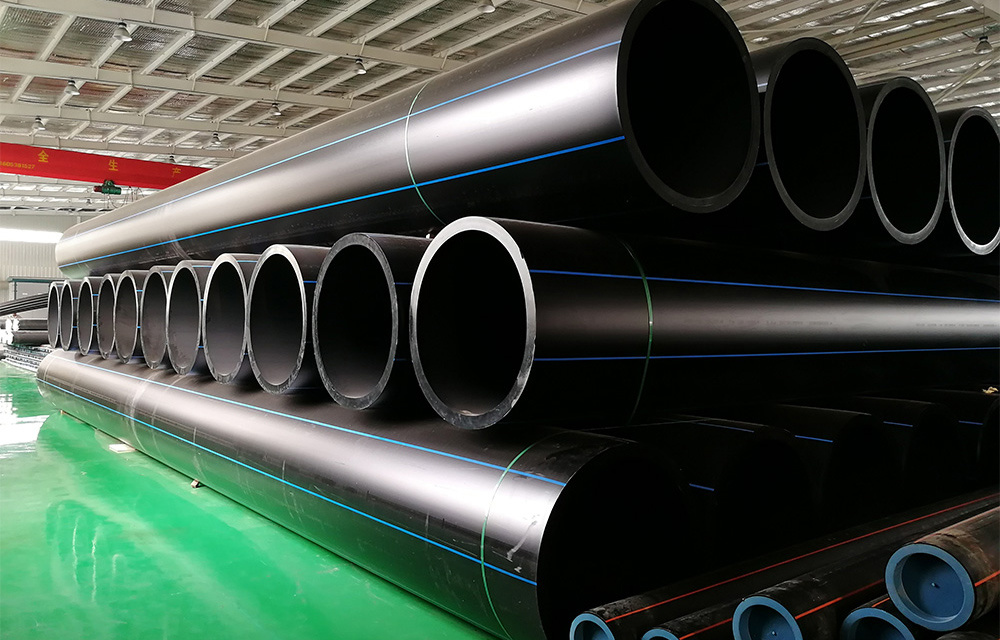
High-Density Polyethylene (HDPE) pipes are increasingly becoming the preferred choice for managing landfill leachate due to their superior properties and performance characteristics. Landfill leachate, a potentially hazardous liquid produced by rainwater seeping through waste, contains a complex mixture of organic and inorganic compounds. Effective management of this leachate is crucial in prevent
One of the primary advantages of HDPE pipes is their exceptional chemical resistance. Unlike traditional materials, HDPE can withstand corrosive substances commonly found in leachate, ensuring a longer service life and reducing the need for frequent replacements. This durability is particularly important in landfill applications where leachate composition may vary significantly over time, exposing pipes to a range of potentially harmful chemicals.
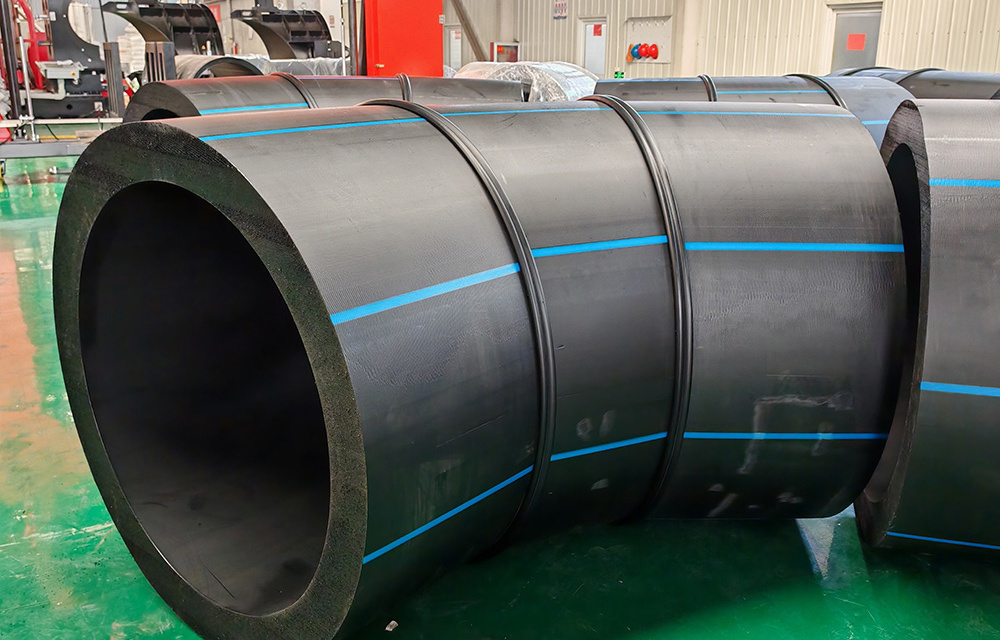
Another key benefit of HDPE pipes is their flexibility, which allows for easier installation in various terrains and conditions. Unlike rigid pipes, HDPE can bend without breaking, making it an ideal choice for uneven surfaces often found in landfill sites. This flexibility not only simplifies the installation process but also enhances the overall system's resilience to ground movements and settling, which are common in landfill operations.
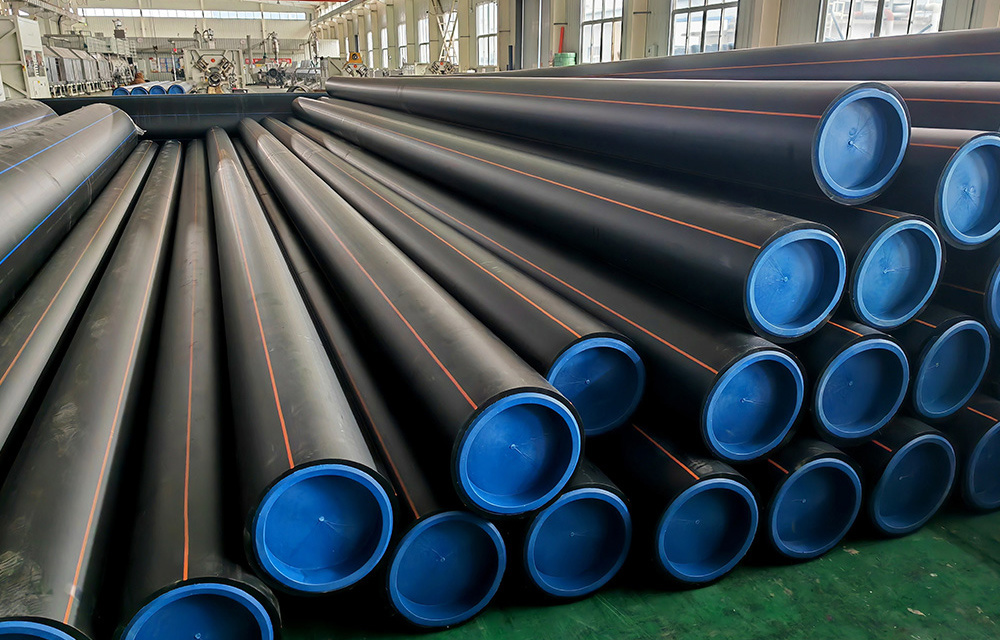
Furthermore, HDPE pipes are lightweight, which contributes to lower transportation costs and easier handling during installation. This advantage is particularly pertinent in landfill projects, where heavy equipment may be limited or costly to operate. The ease of installation can significantly reduce labor costs and project timelines.
In terms of environmental impact, HDPE pipes are also a sustainable choice. They are manufactured from recycled materials and are themselves recyclable, contributing to a circular economy. By opting for HDPE, landfill operators can enhance their sustainability initiatives while ensuring effective leachate management.
When selecting HDPE pipes for landfill leachate systems, it is essential to consider factors such as pipe diameter, wall thickness, and the specific leachate characteristics relevant to the landfill site. Collaborating with experienced engineers and suppliers can help ensure that the selected pipe system meets all regulatory requirements while offering optimal performance.
In summary, HDPE pipes offer numerous advantages for landfill leachate management, including chemical resistance, flexibility, lightweight properties, and sustainability. Understanding these benefits can empower industry professionals to make informed decisions that enhance the efficiency and effectiveness of their leachate management systems. By leveraging the strengths of HDPE, landfills can better protect the environment while ensuring compliance with regulatory standards.

Customer Service Hotline
Sales Department Email
Website (Web)
Customer Service Email
Business Cooperation Email
Address
No.32 Donghai Road, Cangzhou Development Zone, Hebei Province, China
Company Address
No. 32 Donghai Road, Cangzhou Development Zone, Hebei Province, China