


18
2026
-
04
Maximizing Energy Efficiency with HDPE Pipe in Geothermal Systems
Maximizing Energy Efficiency with HDPE Pipe in Geothermal Systems Introduction to Geothermal Systems and HDPE Pipes Geothermal energy is a sustainable and renewable resource that harnesses the earth's internal heat for heating and cooling applications. In this context, the choice of materials used in geothermal systems is crucial for maximizing energy efficiency. High-Density Polyethylene (HDPE) p
Maximizing Energy Efficiency with HDPE Pipe in Geothermal Systems
Introduction to Geothermal Systems and HDPE Pipes
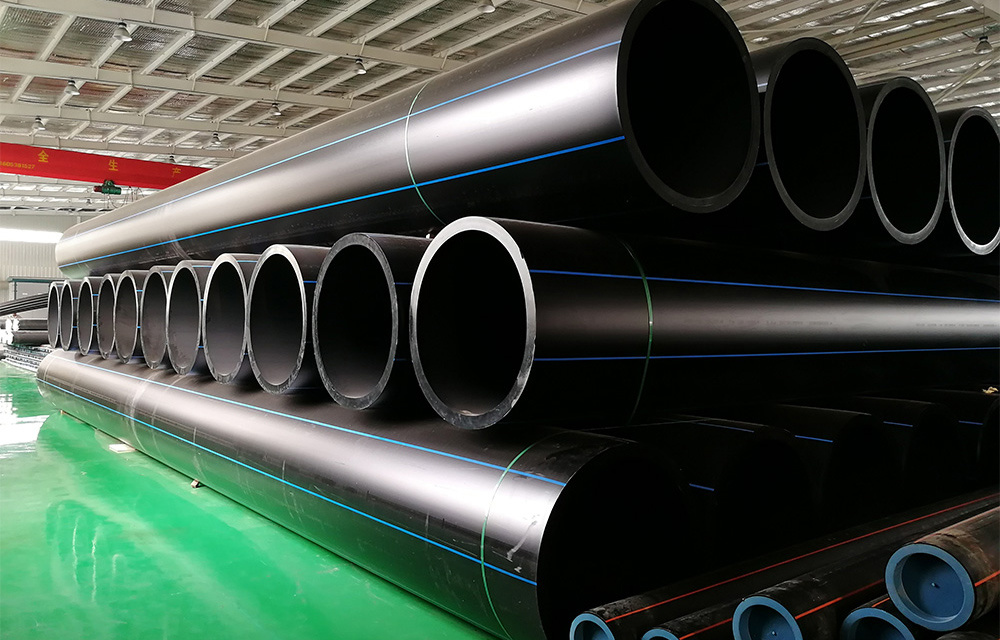
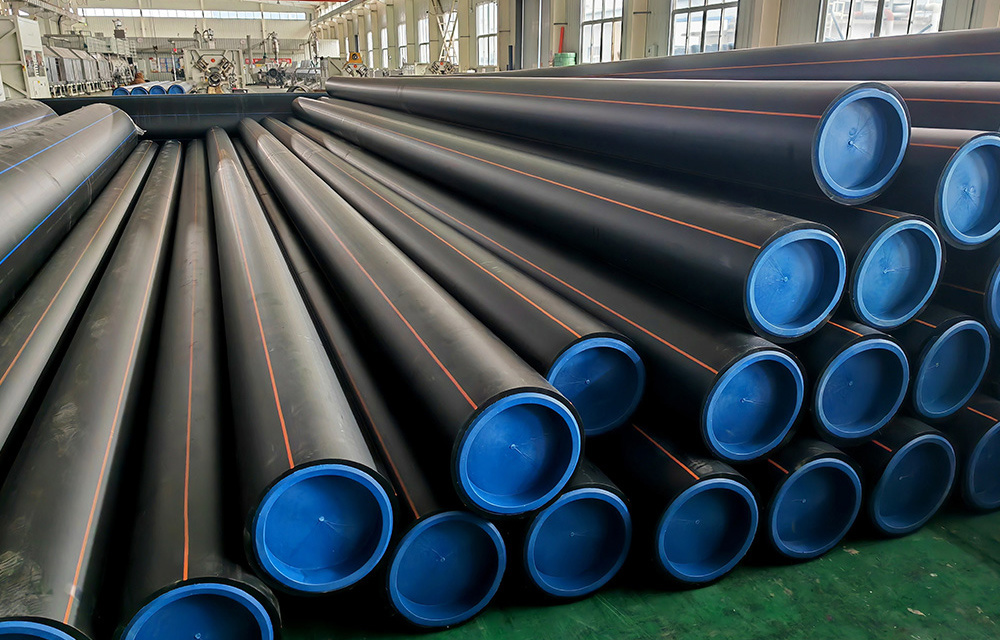
Geothermal energy is a sustainable and renewable resource that harnesses the earth's internal heat for heating and cooling applications. In this context, the choice of materials used in geothermal systems is crucial for maximizing energy efficiency. High-Density Polyethylene (HDPE) pipes have emerged as a preferred option due to their exceptional durability, resistance to corrosion, and low thermal conductivity. By incorporating HDPE pipes, we can significantly enhance the effectiveness of geothermal systems while ensuring cost efficiency and environmental sustainability.
Understanding the Role of HDPE Pipes in Geothermal Applications
What Makes HDPE Pipes Ideal for Geothermal Systems?
HDPE pipes are known for their lightweight and flexible properties, which allow for easy installation in various landscapes. Their high resistance to chemicals and ultraviolet (UV) radiation makes them suitable for long-term use in geothermal applications. Additionally, HDPE pipes have a lower thermal conductivity compared to traditional materials, which helps maintain the desired temperature within the system.
Key Benefits of Using HDPE Pipes
1. **Corrosion Resistance**: Unlike metal pipes that can corrode over time, HDPE pipes remain intact and functional for decades, reducing maintenance costs.
2. **Flexibility**: Their design allows for easier routing around obstacles, lowering installation time and labor costs.
3. **Durability**: HDPE pipes can withstand extreme temperatures and pressures, making them suitable for various geothermal applications.
4. **Lightweight**: The reduced weight of HDPE pipes facilitates easier handling and installation, particularly in remote or difficult-to-access areas.
5. **Environmental Friendliness**: HDPE is recyclable, contributing to sustainability in construction.
Installation Best Practices for HDPE Pipe in Geothermal Systems
Preparing for Installation
Before commencing installation, careful planning and site assessment are vital. Consider the following steps:
- **Site Survey**: Conduct a thorough survey of the installation site to identify geological conditions and potential obstacles.
- **Pipe Sizing**: Properly size HDPE pipes based on the expected flow rates and system requirements to ensure optimal performance.
- **Soil Type Analysis**: Understanding soil composition can help determine the type of fittings and joints required to secure the pipes.
Installation Techniques
1. **Trenching**: Create trenches that are deep enough to accommodate the pipes while minimizing the risk of damage during backfilling.
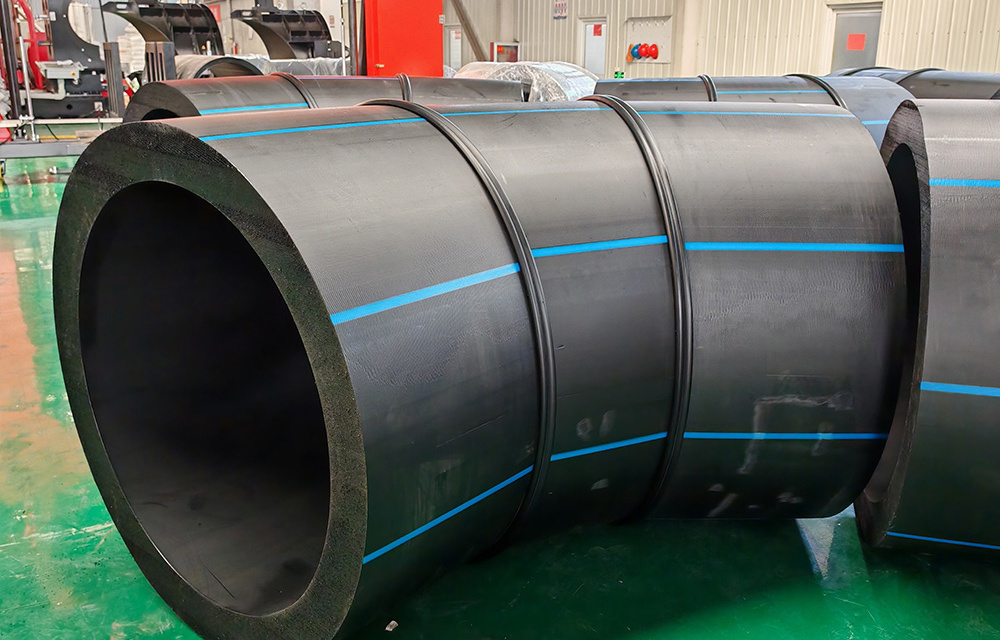
2. **Joining Methods**: Use appropriate joining techniques such as butt fusion or electrofusion to ensure the integrity of the connections.
3. **Backfilling**: Backfill the trenches carefully to avoid damaging the pipes. Use sand or fine-grained materials to ensure a smooth finish around the pipes.
Testing and Commissioning
After installation, it is essential to conduct pressure tests and leak tests to confirm the integrity of the system. This phase ensures that the geothermal system operates at its maximum efficiency.
Maximizing Energy Efficiency in Geothermal Systems with HDPE Pipes
Enhancing Heat Exchange Efficiency
The efficiency of geothermal systems heavily relies on effective heat exchange. HDPE pipes contribute to optimal heat transfer due to their low thermal conductivity. Here are some strategies to enhance heat exchange efficiency:
- **Proper Placement**: Install HDPE pipes at optimal depths according to local climate conditions to maximize heat absorption.
- **Flow Rate Management**: Adjust flow rates to balance energy consumption and heat exchange efficiency, ensuring that the system operates within its optimal range.
Insulation Strategies
To further enhance energy efficiency, consider integrating insulation around the HDPE pipes. Insulation minimizes heat loss, ensuring that the thermal energy is effectively utilized. Options include:
- **Foam Insulation**: Applying foam insulation wraps around the pipes can significantly reduce thermal loss.
- **Thermal Blankets**: Using thermal blankets in exposed areas can also help maintain consistent temperatures.
Long-Term Maintenance Considerations
Regular maintenance is vital for ensuring that geothermal systems continue to operate at peak efficiency over the years. Here are some recommended practices:
Routine Inspections
Schedule periodic inspections to assess the condition of HDPE pipes and other components. Look for signs of wear, leaks, or any potential damage caused by external factors.
System Upgrades and Adaptations
As technology advances, consider upgrading your geothermal system with modern components that enhance efficiency. This may include advanced monitoring systems that provide real-time data on system performance.
Cost-Effectiveness of HDPE Pipes in Geothermal Systems
Initial Investment vs. Long-Term Savings
While the initial cost of HDPE pipes may be higher compared to traditional materials, the long-term savings in maintenance, energy efficiency, and operational durability make them a cost-effective choice. Analyzing the total cost of ownership helps to justify the upfront investment.
Financing Options and Incentives
Explore financing options that can help offset the initial costs of implementing HDPE pipes in geothermal systems. Many governments offer incentives for renewable energy projects, including tax credits and grants.
Environmental Impact of Using HDPE Pipes
Sustainability and Recycling
HDPE pipes are not only durable but also environmentally friendly. Their potential for recycling contributes to reduced waste in landfills. By choosing HDPE, we support sustainable practices in the construction and utilities sector.
Reducing Carbon Footprint
Utilizing geothermal energy through efficient systems with HDPE pipes significantly reduces reliance on fossil fuels. This shift contributes to lower greenhouse gas emissions, furthering our commitment to environmental stewardship.
Frequently Asked Questions (FAQs)
1. What is the lifespan of HDPE pipes in geothermal systems?
HDPE pipes can last over 50 years when properly installed and maintained.
2. Are HDPE pipes suitable for all geothermal applications?
Yes, HDPE pipes are versatile and can be used in various geothermal applications, including ground-source heat pumps and district heating systems.
3. How do HDPE pipes compare to traditional materials like PVC?
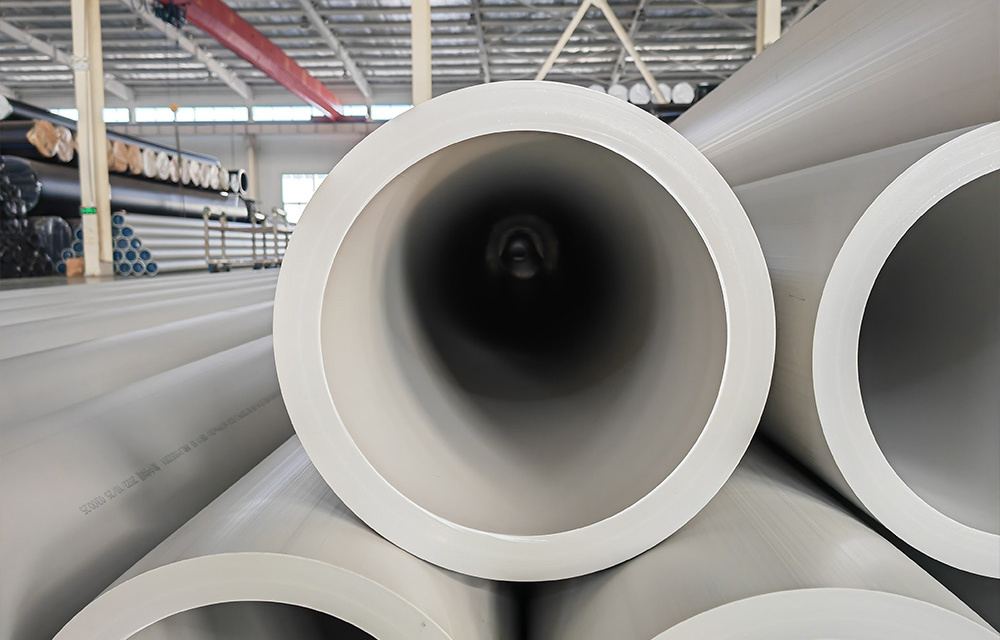
HDPE offers superior flexibility, durability, and resistance to corrosion compared to PVC, making it a better option for geothermal systems.
4. Can HDPE pipes be recycled after their useful life?
Yes, HDPE pipes are recyclable, contributing to sustainable waste management practices.
5. What maintenance is required for geothermal systems using HDPE pipes?
Regular inspections, cleaning, and timely repairs are essential to maintain system efficiency and longevity.
Conclusion
Incorporating HDPE pipes in geothermal systems is a strategic approach to maximizing energy efficiency and sustainability. The numerous advantages, including durability, flexibility, and environmental friendliness, make HDPE an ideal choice for various geothermal applications. By following best practices in installation and maintenance, we can ensure that geothermal systems not only deliver optimal performance but also contribute positively to our environment. As we continue to innovate and explore new technologies, HDPE pipes will play a vital role in shaping the future of energy-efficient geothermal systems.

Customer Service Hotline
Sales Department Email
Website (Web)
Customer Service Email
Business Cooperation Email
Address
No.32 Donghai Road, Cangzhou Development Zone, Hebei Province, China
Company Address
No. 32 Donghai Road, Cangzhou Development Zone, Hebei Province, China