


20
2026
-
04
The Environmental Advantages of Using HDPE Pipe for Pipe Jacking
The Environmental Advantages of Using HDPE Pipe for Pipe Jacking As the world increasingly prioritizes sustainability, industries are seeking ways to reduce their environmental impact. One innovative solution that has emerged is the use of High-Density Polyethylene (HDPE) pipes for pipe jacking. This method not only offers practical benefits but significantly enhances ecological conservation. In t
The Environmental Advantages of Using HDPE Pipe for Pipe Jacking
As the world increasingly prioritizes sustainability, industries are seeking ways to reduce their environmental impact. One innovative solution that has emerged is the use of High-Density Polyethylene (HDPE) pipes for pipe jacking. This method not only offers practical benefits but significantly enhances ecological conservation. In this article, we delve into the environmental advantages of using HDPE pipes for pipe jacking, illustrating how they stand out in today’s construction landscape.
Understanding Pipe Jacking and its Role in Construction
Pipe jacking is a trenchless construction technique used to install pipes underground without the need for extensive excavation. This method minimizes surface disruption and reduces the carbon footprint associated with traditional construction practices. By employing HDPE pipes, contractors can further enhance the environmental benefits of this innovative installation method.
What is HDPE Pipe?
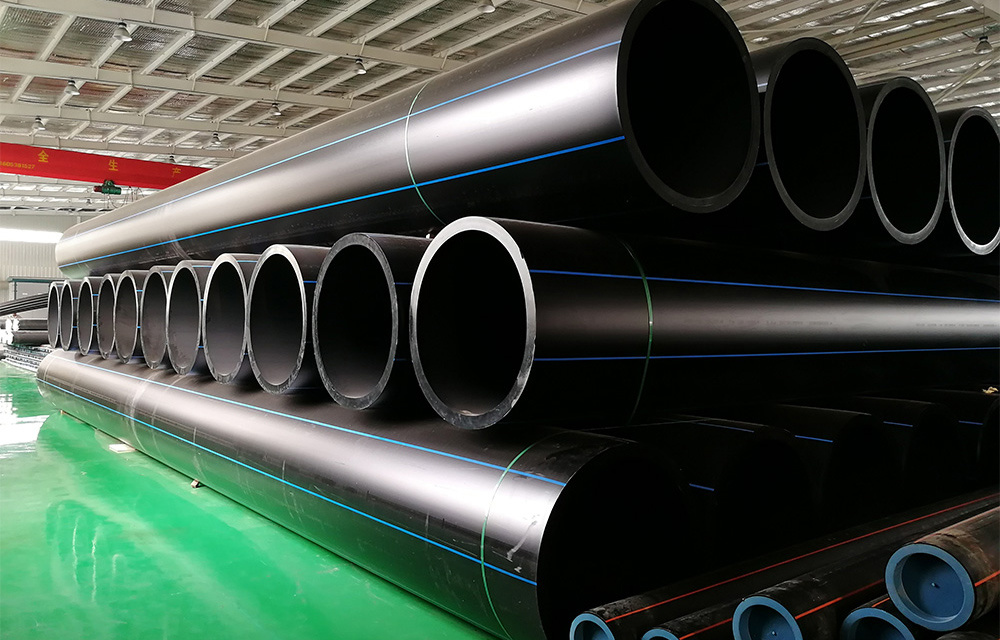
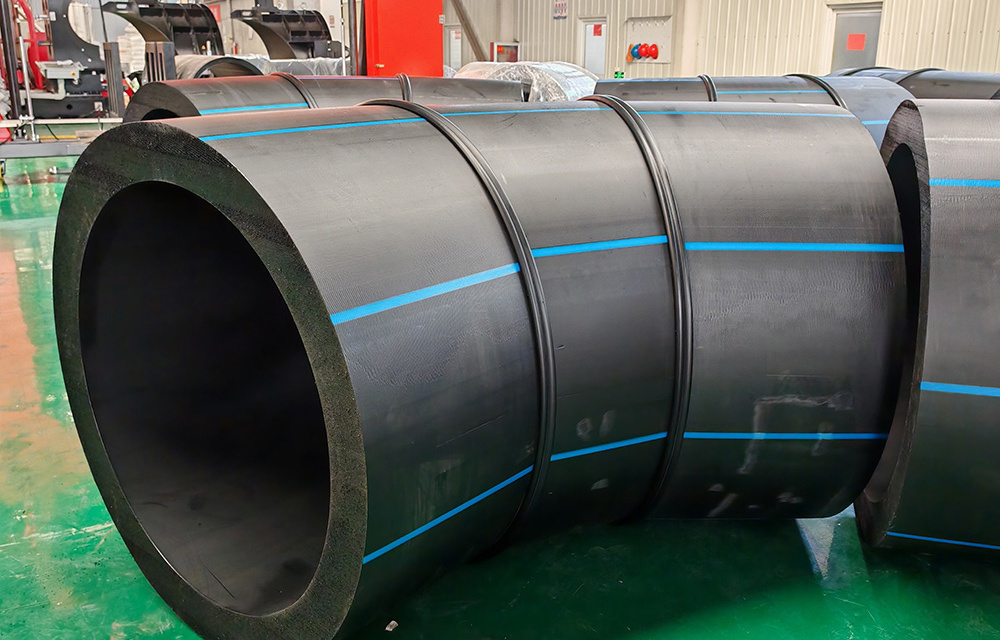
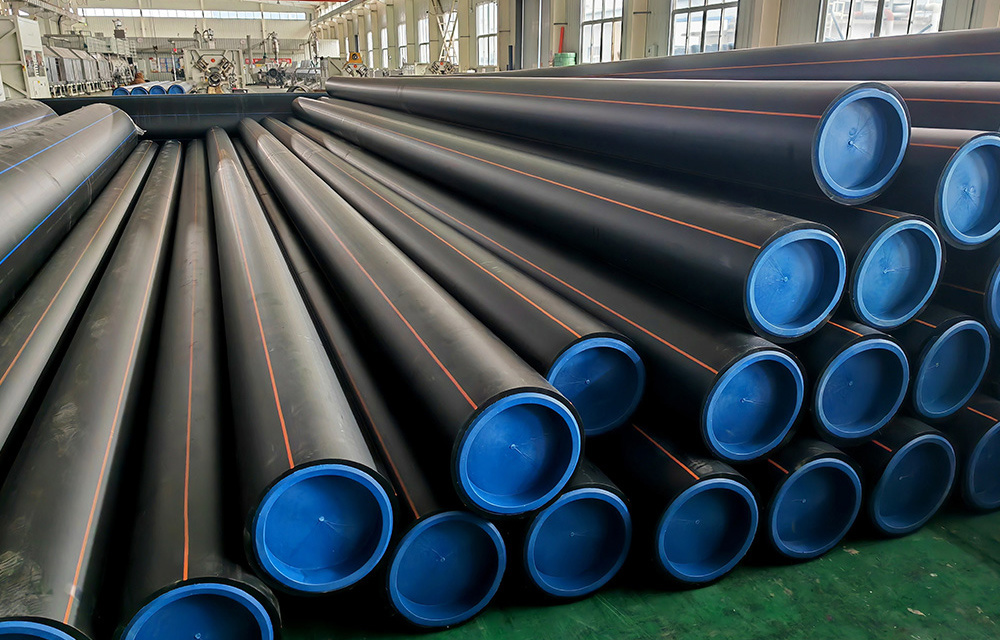
High-Density Polyethylene (HDPE) is a thermoplastic made from petroleum. Renowned for its strength-to-density ratio, HDPE pipes are widely used in various applications, including water distribution, sewage systems, and gas lines. The durability, resistance to corrosion, and flexibility of HDPE make it an ideal choice for pipe jacking operations.
Environmental Benefits of Using HDPE Pipes for Pipe Jacking
1. Reduced Carbon Emissions
One of the most significant environmental advantages of using HDPE pipes is the reduction of carbon emissions during installation. Traditional pipe installation methods often involve heavy machinery and extensive excavation, leading to increased fuel consumption and greenhouse gas emissions. Pipe jacking with HDPE pipes requires minimal equipment and less energy, resulting in a smaller carbon footprint.
2. Lower Land Disruption and Soil Erosion
Since pipe jacking is a trenchless method, it significantly reduces land disruption compared to traditional excavation methods. This approach minimizes soil erosion and preserves the natural landscape, which is crucial for maintaining local ecosystems. By using HDPE pipes, contractors can install underground utilities without disturbing the surface, protecting vegetation and wildlife habitats.
3. Enhanced Water Conservation
HDPE pipes are engineered to maintain their integrity over time, reducing the likelihood of leaks. This quality is particularly important in water management systems, where leaks can lead to significant water loss. By utilizing HDPE pipes for pipe jacking, municipalities can conserve valuable water resources and ensure efficient distribution.
4. Lightweight and Efficient Transportation
HDPE pipes are notably lighter than their metal counterparts, making them easier to transport and handle during construction. The reduced weight translates to lower transportation costs and less fuel consumption, further decreasing the overall carbon footprint of a project. Additionally, the easy handling of HDPE pipes speeds up the installation process, contributing to a more efficient construction timeline.
5. Resistance to Corrosion and Chemical Damage
HDPE pipes possess outstanding resistance to corrosion and chemical damage, which is critical in protecting the environment. Unlike traditional metal pipes that may corrode over time, leading to leaks and contamination, HDPE pipes maintain their structural integrity, preventing harmful substances from entering the soil or water supply. This characteristic is essential for projects in environmentally sensitive areas.
6. Recyclability and Sustainability
Another compelling environmental advantage of HDPE pipes is their recyclability. After their useful life, HDPE pipes can be recycled and repurposed into new products, reducing waste and promoting a circular economy. This sustainability aspect aligns with global efforts to minimize plastic pollution and underscores the commitment to environmentally responsible construction practices.
Case Studies: Successful Applications of HDPE Pipe in Pipe Jacking
1. Urban Infrastructure Projects
In major urban centers, where space is limited, HDPE pipes have been successfully employed in pipe jacking projects to install water and sewer lines with minimal surface disruption. For example, a recent project in San Francisco utilized HDPE pipes to replace aging infrastructure without disturbing the bustling streets, demonstrating both efficiency and environmental stewardship.
2. Environmental Restoration Initiatives
In areas where environmental restoration is critical, such as wetlands and protected habitats, the use of HDPE pipes for pipe jacking has proved beneficial. Contractors can install necessary utilities while minimizing damage to sensitive ecosystems, allowing for a balance between infrastructural development and ecological preservation.
The Future of HDPE Pipe in Sustainable Construction
As industries shift toward more sustainable practices, HDPE pipes are poised to play a significant role in the future of construction. With ongoing advancements in material technology and a growing emphasis on reducing environmental impact, HDPE pipes will continue to be a preferred choice for pipe jacking applications.
Innovation in HDPE Technology
The development of new HDPE formulations and enhanced manufacturing techniques promises to elevate the performance and sustainability of these pipes. Innovations such as multi-layered HDPE pipes offer additional benefits, including improved resistance to environmental stressors, further enhancing their application in diverse conditions.
Regulatory Support for Sustainable Practices
Governments worldwide are increasingly adopting regulations that encourage sustainable construction practices. This support enhances the market for HDPE pipes, as municipalities and contractors seek to comply with environmental standards while providing essential services. The future is bright for the adoption of HDPE pipes as a standard in pipe jacking and other construction methods.
Conclusion
In conclusion, the environmental advantages of using HDPE pipes for pipe jacking are numerous and impactful. From reducing carbon emissions and land disruption to promoting sustainability through recyclability, HDPE pipes are revolutionizing how we approach underground utilities. As industries continue to prioritize eco-friendly practices, HDPE pipes will undoubtedly play a pivotal role in shaping a sustainable future in construction and infrastructure.
FAQs About HDPE Pipes and Pipe Jacking
1. What are the main benefits of using HDPE pipes?
HDPE pipes offer several benefits, including corrosion resistance, lightweight nature, low carbon emissions during installation, and recyclability.
2. How does pipe jacking compare to traditional excavation?
Pipe jacking is a trenchless method that significantly reduces surface disruption, minimizes land erosion, and lowers overall environmental impact compared to traditional excavation.
3. Are HDPE pipes suitable for all types of soil conditions?
Yes, HDPE pipes can adapt to various soil conditions, including rocky or sandy environments, and are designed to withstand environmental stressors.
4. Can HDPE pipes be recycled after their lifespan?
Absolutely! HDPE pipes are highly recyclable and can be repurposed into new products, promoting a circular economy.
5. How do HDPE pipes contribute to water conservation?
By minimizing leaks and maintaining structural integrity, HDPE pipes ensure efficient water distribution and help conserve precious water resources.

Customer Service Hotline
Sales Department Email
Website (Web)
Customer Service Email
Business Cooperation Email
Address
No.32 Donghai Road, Cangzhou Development Zone, Hebei Province, China
Company Address
No. 32 Donghai Road, Cangzhou Development Zone, Hebei Province, China