


14
2026
-
04
HDPE Pipe: A Cost-Effective Choice for Landfill Leachate Systems
Introduction to HDPE Pipes in Landfill Leachate Systems Landfills are essential components of modern waste management, and managing landfill leachate is a critical challenge faced by operators worldwide. **High-Density Polyethylene (HDPE) pipes** have emerged as a top choice for leachate management due to their remarkable durability, flexibility, and cost-effectiveness. This article delves into
Introduction to HDPE Pipes in Landfill Leachate Systems
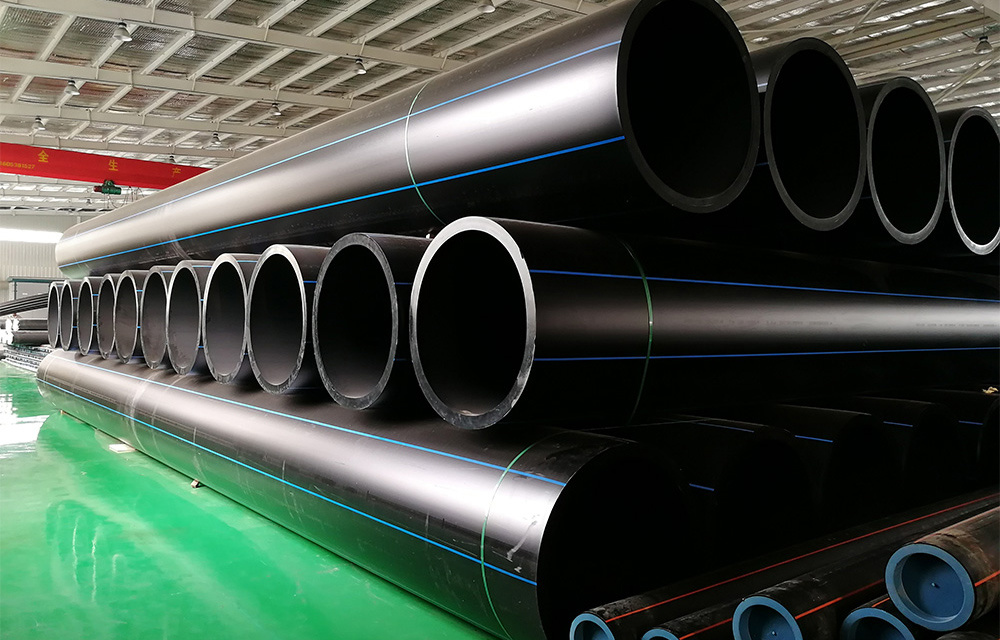
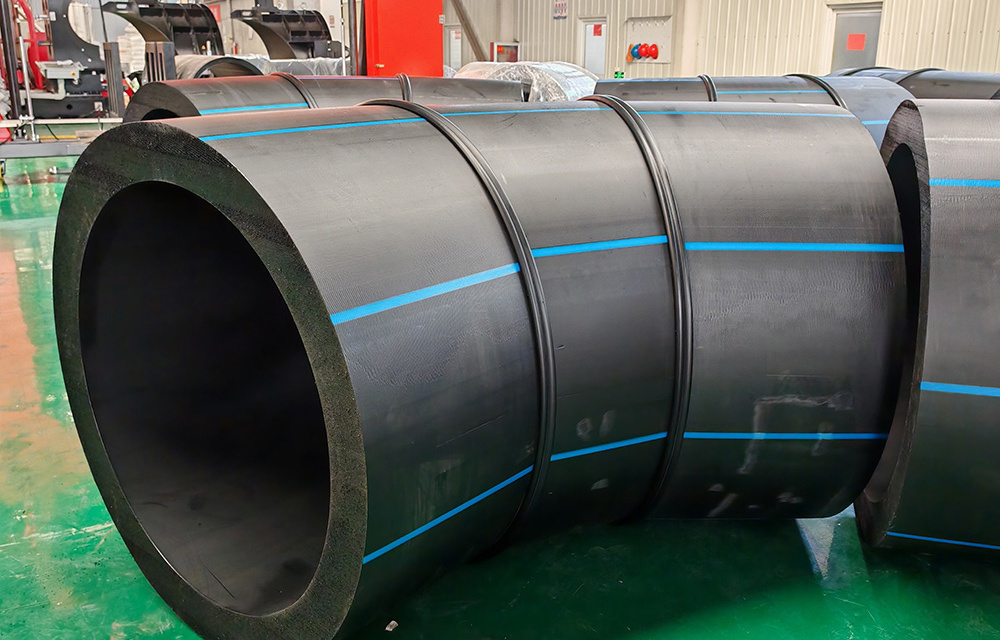
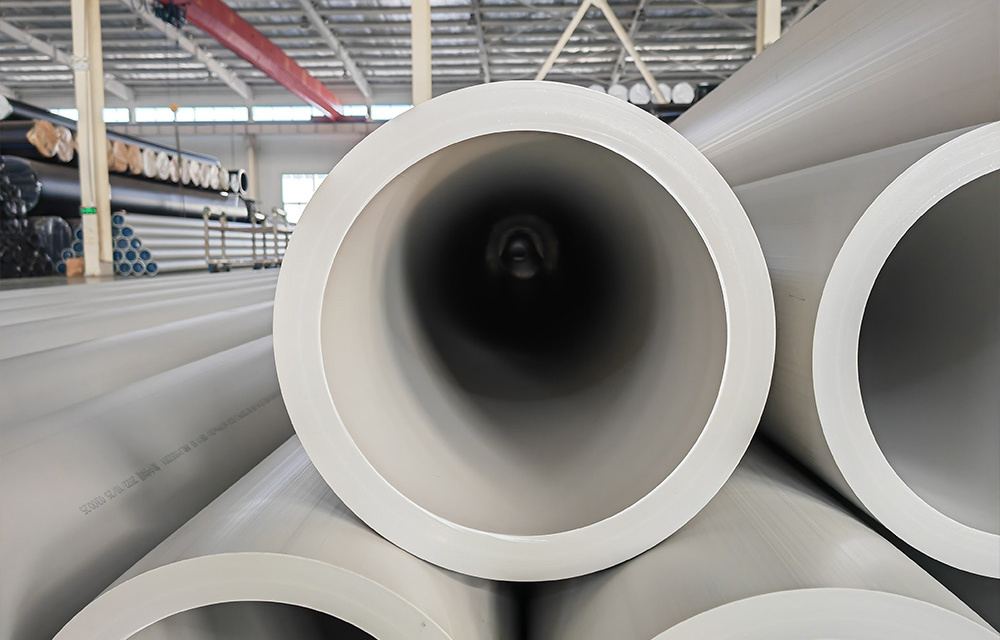
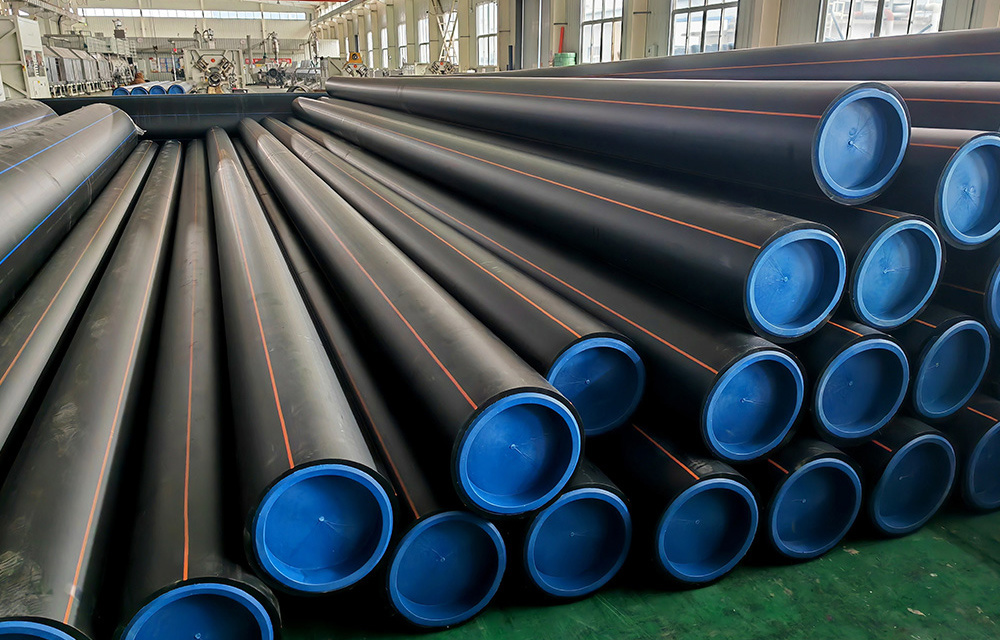
Landfills are essential components of modern waste management, and managing landfill leachate is a critical challenge faced by operators worldwide. **High-Density Polyethylene (HDPE) pipes** have emerged as a top choice for leachate management due to their remarkable durability, flexibility, and cost-effectiveness. This article delves into the benefits and applications of HDPE pipes in landfill leachate systems, providing detailed insights for industry professionals.
What is Leachate and Why is It a Concern?
Leachate is a liquid that forms when water infiltrates solid waste deposits and extracts soluble, liquid, and suspended materials from the waste. This **pollutant-laden liquid** can pose significant environmental risks if not properly managed, leading to groundwater contamination and adverse effects on surrounding ecosystems.
Understanding the Composition of Leachate
The composition of leachate varies significantly based on factors such as the age of the landfill, climate conditions, and the types of waste present. It often contains heavy metals, organic compounds, and nutrients, making its treatment and disposal a complex issue in waste management.
The Necessity of Effective Leachate Management
Effective leachate management is crucial for maintaining environmental compliance and protecting public health. Implementing an efficient leachate collection system using **HDPE pipes** can significantly reduce the risks associated with leachate.
Why Choose HDPE Pipes for Landfill Leachate Systems?
HDPE pipes have become the preferred material for landfill leachate systems due to several key benefits:
Superior Durability and Longevity
HDPE pipes are designed to withstand harsh environments often associated with leachate. Unlike traditional materials, HDPE is resistant to corrosion, chemical degradation, and environmental stress, ensuring a long service life that can exceed 50 years.
Cost-Effectiveness and Efficiency
The installation and maintenance costs of HDPE pipes are comparatively lower than other materials. Their lightweight nature allows for easier handling and quicker installation, which translates into reduced labor costs. Additionally, the longevity of HDPE means fewer replacements over time, leading to significant savings.
Flexibility in Design and Installation
HDPE pipes offer exceptional flexibility, allowing them to be used in various configurations and depths, which is particularly beneficial in landfill applications where terrain can be unpredictable. This adaptability can lead to innovative leachate management solutions tailored to specific site conditions.
Environmental Sustainability
Using recycled materials in the production of HDPE pipes contributes to sustainability in landfill operations. Furthermore, their durability and reduced need for replacement directly lessen the environmental footprint associated with waste management.
Installation Best Practices for HDPE Pipes in Leachate Systems
Successful installation of HDPE pipes in landfill leachate systems requires careful planning and execution. Here are some best practices to ensure optimal performance:
Site Assessment and Planning
Conduct a comprehensive site assessment to evaluate soil conditions, topography, and existing infrastructure. This analysis will inform the design and layout of the leachate collection system, ensuring that it effectively captures leachate at various points within the landfill.
Proper Pipe Sizing and Configuration
Select the appropriate pipe diameter and length based on expected leachate flow rates and environmental conditions. Configuring the system to allow for gravity flow can enhance efficiency and reduce the need for mechanical pumps.
Utilizing Fusion Joining Techniques
HDPE pipes are typically joined using fusion techniques, which create a strong, seamless connection that minimizes the risk of leaks. Proper training and equipment are essential for ensuring high-quality joints, which are critical for maintaining system integrity.
Maintenance and Inspection of HDPE Leachate Systems
While HDPE pipes are low-maintenance, routine inspections and maintenance practices are vital for ensuring continued performance.
Routine Monitoring for Leachate Levels
Implement a regular monitoring program to assess leachate levels within the collection system. This practice helps identify blockages or potential failures early, allowing for timely interventions.
Regular Inspections for Damage
Conduct periodic visual inspections of the HDPE pipes and surrounding areas to check for signs of damage or wear. This proactive approach can help extend the lifespan of the system.
Maintaining Flow Efficiency
Clear any debris or sediment build-up in the pipes to prevent flow restrictions. Regular maintenance can help sustain optimal leachate flow and minimize the risk of backup or overflow.
Environmental Compliance and Regulatory Considerations
Adhering to environmental regulations is paramount in landfill operations. HDPE pipe systems can aid in achieving compliance with various standards related to leachate management.
Understanding Local and Federal Regulations
Familiarize yourself with the regulatory frameworks governing waste management in your region. This understanding will guide the design and implementation of leachate systems using HDPE pipes to ensure compliance with environmental laws.
Documentation and Reporting Practices
Keep detailed records of leachate collection and management activities. Documentation is essential for demonstrating compliance during inspections and audits.
Economic Benefits of Implementing HDPE Pipe Systems
The adoption of HDPE pipes in landfill leachate systems offers numerous economic advantages that can bolster the financial viability of waste management operations.
Long-Term Cost Savings
While the initial investment in HDPE pipe systems may be comparable to traditional materials, the long-term savings in maintenance, replacement, and operational efficiency can be substantial.
Enhanced Operational Efficiency
By minimizing downtime through reliable leachate management, landfill operators can increase overall operational efficiency, leading to improved profitability.
Future Trends in Leachate Management Using HDPE Pipes
As technology and environmental concerns evolve, the future of leachate management will likely see advancements in the application of HDPE pipes.
Smart Technology Integration
The integration of smart technology, such as sensors and real-time monitoring systems, will enhance leachate management practices, providing valuable data for decision-making and improving system performance.
Innovations in Material Science
Ongoing research in material science may lead to even more advanced forms of HDPE that offer enhanced resistance to specific contaminants found in leachate, further improving the effectiveness of leachate management systems.
FAQs About HDPE Pipes in Landfill Leachate Systems
1. What is HDPE, and why is it used for pipes in leachate systems?
HDPE, or High-Density Polyethylene, is a durable and flexible plastic widely used for piping systems due to its resistance to chemicals and corrosion, making it ideal for handling leachate.
2. How long do HDPE pipes last in landfill applications?
When properly installed and maintained, HDPE pipes can last over 50 years, significantly reducing the need for replacements.
3. Are there specific maintenance requirements for HDPE leachate systems?
While HDPE systems are low-maintenance, routine inspections, monitoring leachate levels, and clearing debris are essential practices to ensure optimal performance.
4. How does HDPE compare to traditional materials for leachate systems?
HDPE offers several advantages over traditional materials, including greater durability, flexibility, and resistance to corrosive substances, resulting in long-term cost savings and efficiency.
5. What are the environmental benefits of using HDPE pipes for leachate management?
HDPE pipes contribute to sustainability by using recycled materials, reducing the need for replacements, and minimizing the environmental impact associated with landfill operations.
Conclusion
In conclusion, the use of **HDPE pipes** in landfill leachate systems presents numerous benefits, including durability, cost-effectiveness, and environmental sustainability. By understanding the advantages and best practices associated with HDPE technology, landfill operators can enhance their leachate management strategies, ensuring compliance with regulations while protecting the environment. The future of leachate management looks promising with HDPE pipes leading the way towards more efficient, sustainable, and economically viable solutions.

Customer Service Hotline
Sales Department Email
Website (Web)
Customer Service Email
Business Cooperation Email
Address
No.32 Donghai Road, Cangzhou Development Zone, Hebei Province, China
Company Address
No. 32 Donghai Road, Cangzhou Development Zone, Hebei Province, China