


13
2026
-
04
Exploring the Benefits of HDPE Pipes in Geothermal Systems
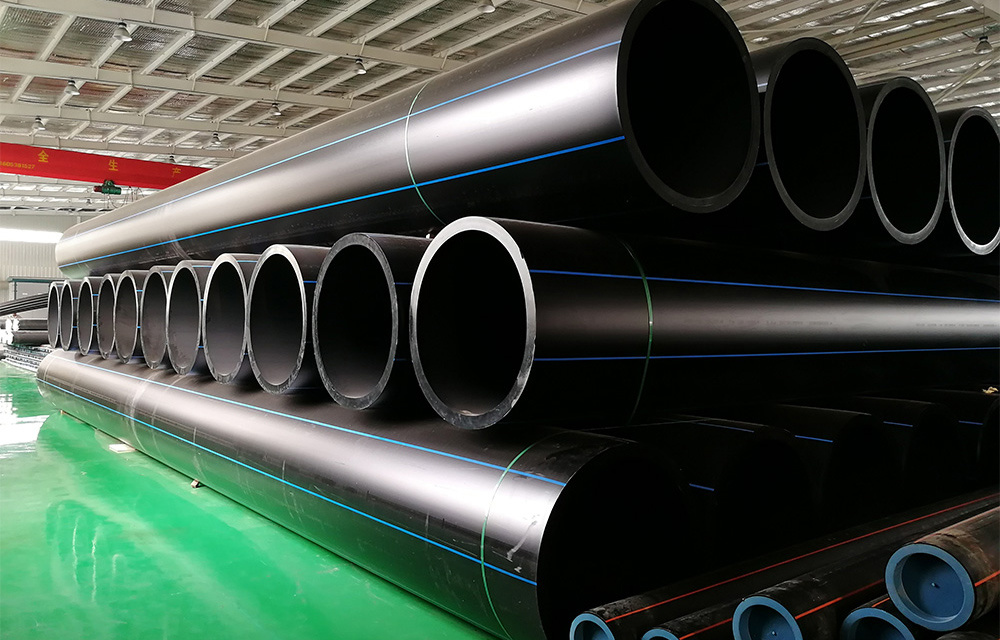
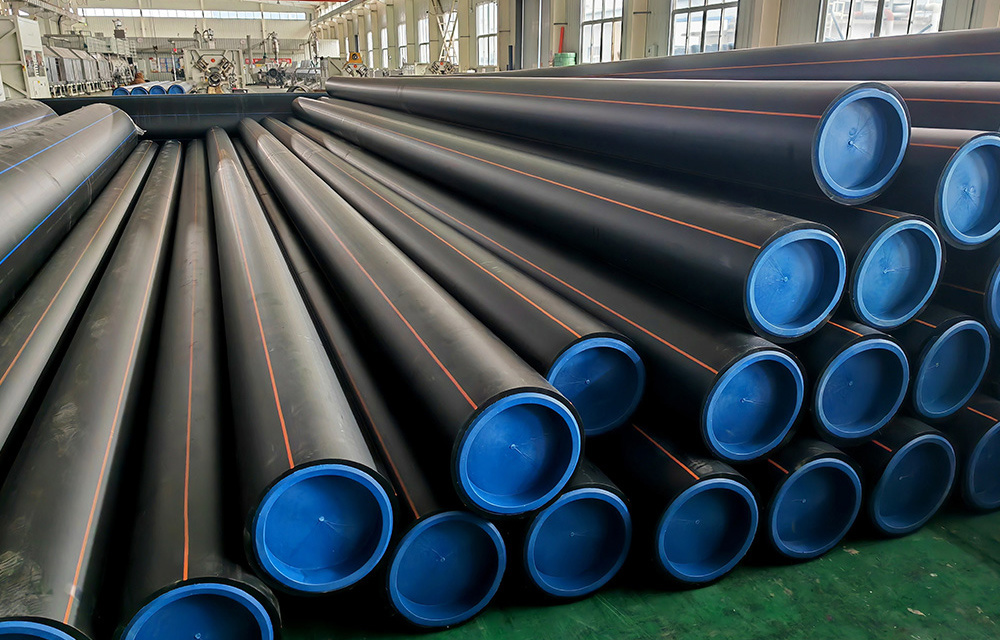
High-Density Polyethylene (HDPE) pipes have gained significant traction in the design and implementation of geothermal systems. These systems harness the earth’s natural heat, providing efficient heating and cooling solutions for residential, commercial, and industrial applications. The unique properties of HDPE make it an ideal choice for geothermal applications, ensuring longevity and effectiven
One of the primary advantages of HDPE pipes is their exceptional durability. HDPE is resistant to corrosion and chemical degradation, which is crucial in geothermal systems where the pipes are often buried underground and exposed to various soil conditions. This resistance ensures that the pipes maintain their integrity over time, reducing the likelihood of leaks or failures that can lead to costly repairs and system inefficiencies.
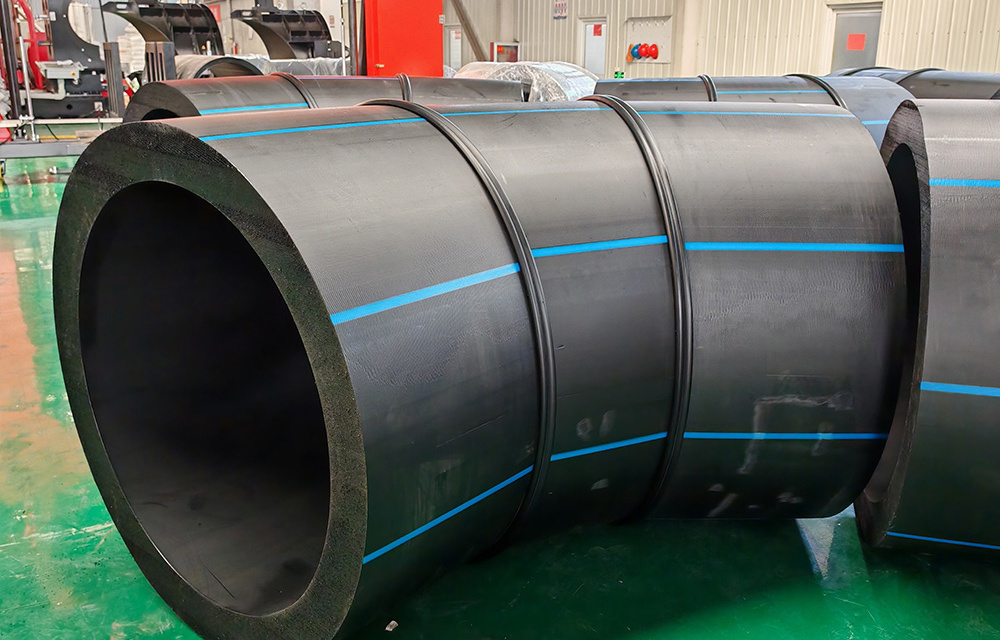
Another key benefit of HDPE pipes is their flexibility. Unlike traditional piping materials such as steel or PVC, HDPE can be easily bent and shaped to fit the contours of the installation site. This flexibility allows for easier installation, especially in complex geothermal system designs that require intricate layouts. Moreover, the lighter weight of HDPE pipes simplifies transportation and handling, making them a preferred choice for contractors.
In geothermal systems, efficient heat transfer is critical for optimal performance. HDPE pipes have excellent thermal conductivity, which ensures that heat is effectively transferred between the ground and the fluid circulating within the system. This efficiency not only enhances the system's performance but also contributes to energy savings over the long term. A well-designed geothermal system utilizing HDPE pipes can significantly reduce energy costs compared to conventional heating and cooling methods.
Additionally, the sustainability aspect of HDPE pipes aligns perfectly with the goals of geothermal energy systems. As a recyclable material, HDPE contributes to reducing environmental impact. When a geothermal system reaches the end of its life cycle, the HDPE pipes can be recycled, contributing to a circular economy and minimizing waste.
Moreover, the installation of HDPE pipes in geothermal systems can enhance the overall lifespan of the installation. With proper design and execution, these systems can function efficiently for decades, providing reliable heating and cooling with minimal maintenance.
In conclusion, HDPE pipes offer numerous advantages for geothermal systems, including durability, flexibility, efficient heat transfer, and sustainability. Their unique properties make them a valuable component in the development of efficient, long-lasting geothermal solutions. By choosing HDPE pipes, professionals in the industrial equipment and components sector can ensure that their geothermal systems are both effective and environmentally responsible.

Customer Service Hotline
Sales Department Email
Website (Web)
Customer Service Email
Business Cooperation Email
Address
No.32 Donghai Road, Cangzhou Development Zone, Hebei Province, China
Company Address
No. 32 Donghai Road, Cangzhou Development Zone, Hebei Province, China