


15
2026
-
04
Exploring the Advantages of HDPE Pipe for Pipe Jacking Applications
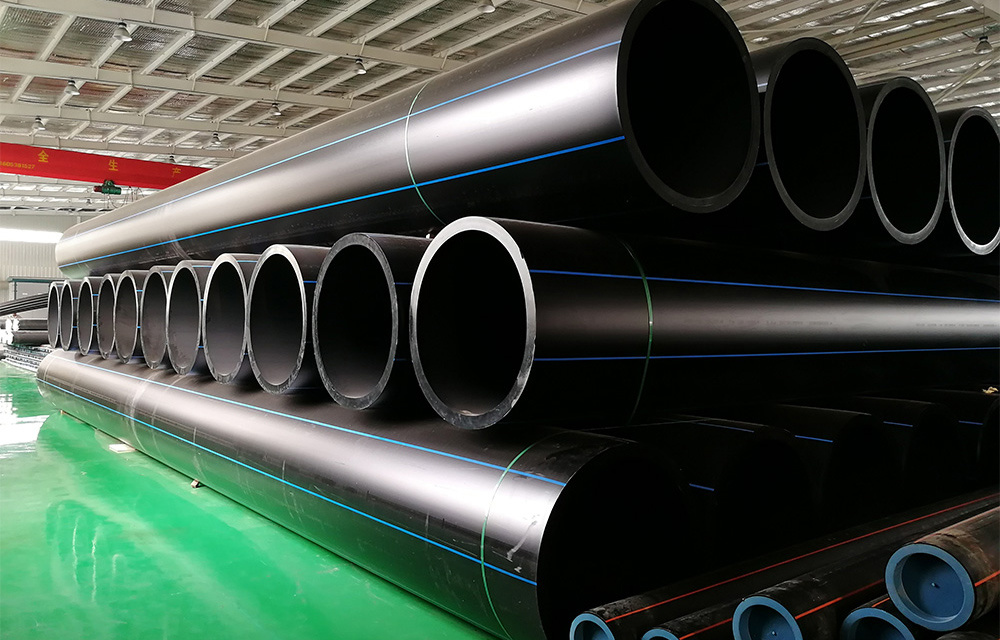
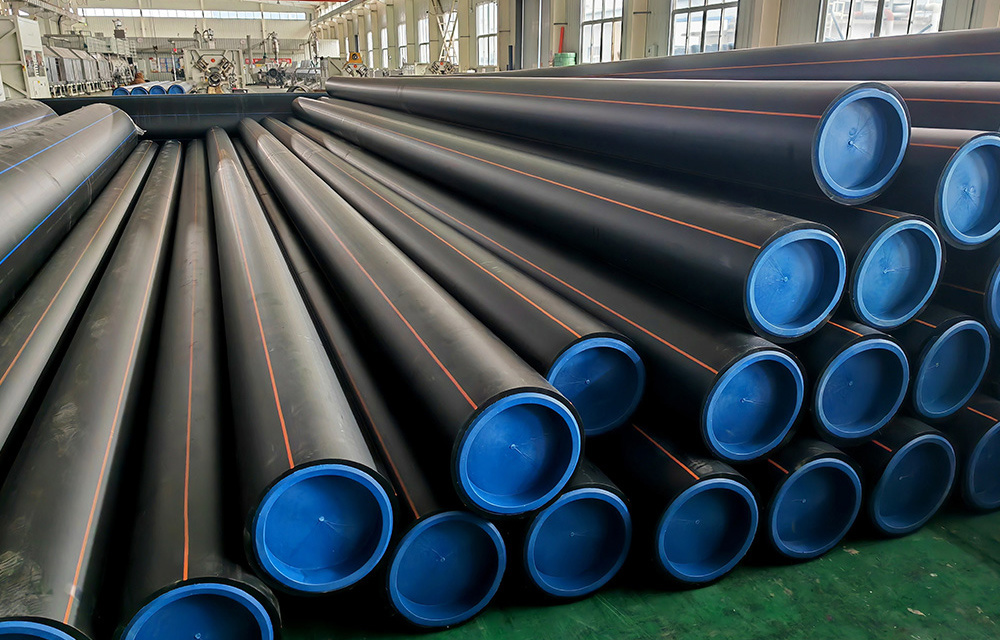
HDPE (High-Density Polyethylene) pipes are increasingly becoming the preferred choice for pipe jacking applications due to their remarkable properties and performance characteristics. One of the key advantages of HDPE pipes is their high strength-to-density ratio, making them exceptionally durable and resistant to external pressures. This is particularly beneficial in pipe jacking, where pipes are
Another significant benefit of HDPE pipes is their excellent resistance to corrosion and chemical exposure. Unlike traditional materials such as steel or concrete, HDPE does not rust or corrode when exposed to soil or water, which prolongs the lifespan of the pipe and minimizes maintenance needs. This characteristic is especially important in environments where the soil may be aggressive or where the transported fluids can be corrosive. The longevity of HDPE pipes translates to reduced lifecycle costs, making them a smart choice for long-term projects.
Moreover, HDPE pipes are lightweight compared to other piping materials, which simplifies transportation and installation. The ease of handling can lead to significant time savings on-site, allowing projects to be completed more efficiently. During the pipe jacking operation, lighter pipes also exert less stress on the surrounding soil, minimizing ground disturbance and reducing the risk of subsidence or structural damage to nearby buildings and infrastructure.
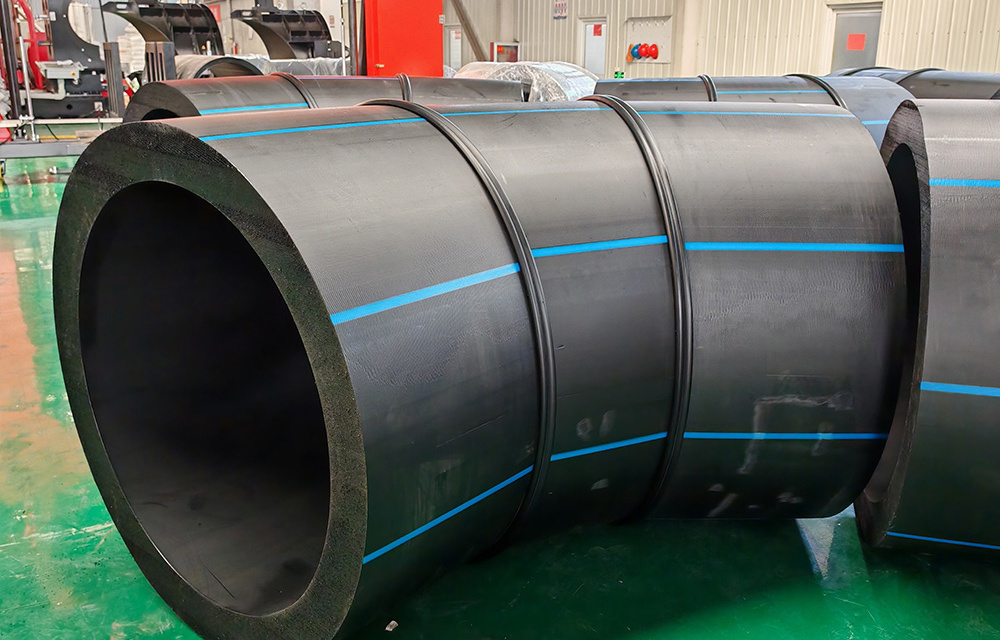
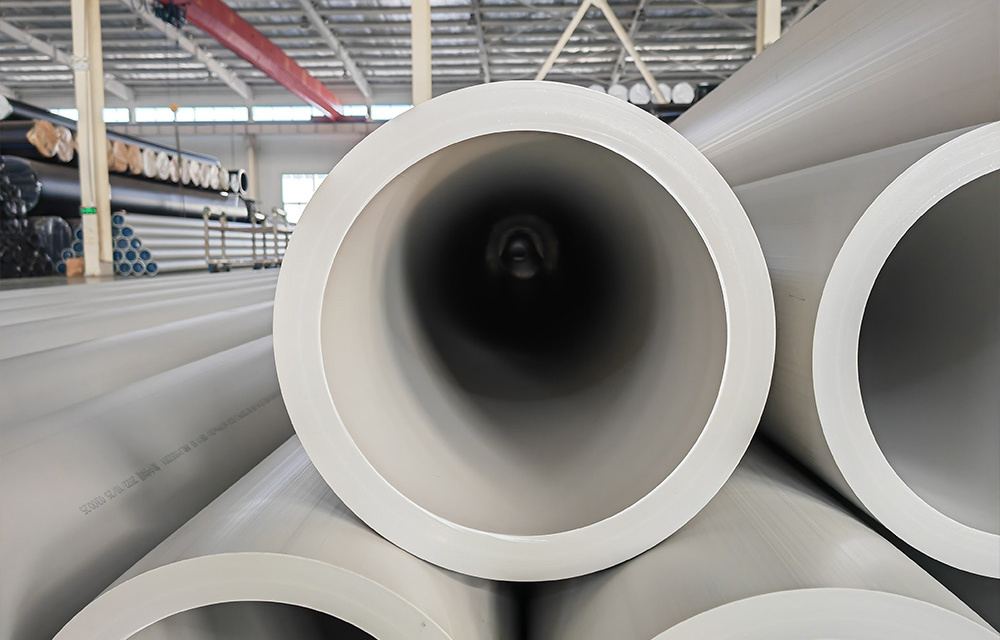
In addition to their physical properties, HDPE pipes offer versatility in design. They can be manufactured in various diameters and wall thicknesses to meet specific project requirements, providing engineers with flexibility in their designs. This adaptability is crucial for pipe jacking projects, where specific geometric and flow requirements must be met.
Furthermore, the installation of HDPE pipes using pipe jacking technology is less disruptive compared to conventional open-cut methods. This trenchless technique not only preserves the integrity of the surface above but also minimizes the impact on existing utilities and landscapes, making it an environmentally friendly option.
In conclusion, the integration of HDPE pipes in pipe jacking applications presents numerous advantages. Their durability, corrosion resistance, lightweight nature, and design flexibility make them an ideal choice for a wide range of projects. As industries continue to seek more efficient and sustainable solutions, HDPE pipes stand out as a reliable option that meets the demands of modern infrastructure development. By understanding these benefits, professionals can make informed decisions that enhance project outcomes while promoting longevity and sustainability in pipeline operations.

Customer Service Hotline
Sales Department Email
Website (Web)
Customer Service Email
Business Cooperation Email
Address
No.32 Donghai Road, Cangzhou Development Zone, Hebei Province, China
Company Address
No. 32 Donghai Road, Cangzhou Development Zone, Hebei Province, China