


10
2026
-
04
Why HDPE Pipes Stand Out in Pipe Jacking Industry Standards
Why HDPE Pipes Stand Out in Pipe Jacking Industry Standards Introduction to Pipe Jacking and HDPE In the world of underground construction, **pipe jacking** has emerged as a cutting-edge method for installing pipelines with minimal surface disruption. This technique relies heavily on advanced materials, and **High-Density Polyethylene (HDPE)** pipes have become a favored choice among contractors.
Why HDPE Pipes Stand Out in Pipe Jacking Industry Standards
Introduction to Pipe Jacking and HDPE
In the world of underground construction, **pipe jacking** has emerged as a cutting-edge method for installing pipelines with minimal surface disruption. This technique relies heavily on advanced materials, and **High-Density Polyethylene (HDPE)** pipes have become a favored choice among contractors. This article will explore the reasons why HDPE pipes excel within the pipe jacking industry standards, showcasing their unique properties and benefits.
Understanding Pipe Jacking
**Pipe jacking** is a trenchless construction method used to install pipes beneath the ground. This technique minimizes environmental impact, reduces the need for extensive surface excavation, and ensures a safer working environment. The process involves pushing or jacking pipes through the soil using hydraulic thrust, allowing for the installation of various pipe materials, including concrete, steel, and HDPE.
The Role of HDPE in Pipe Jacking
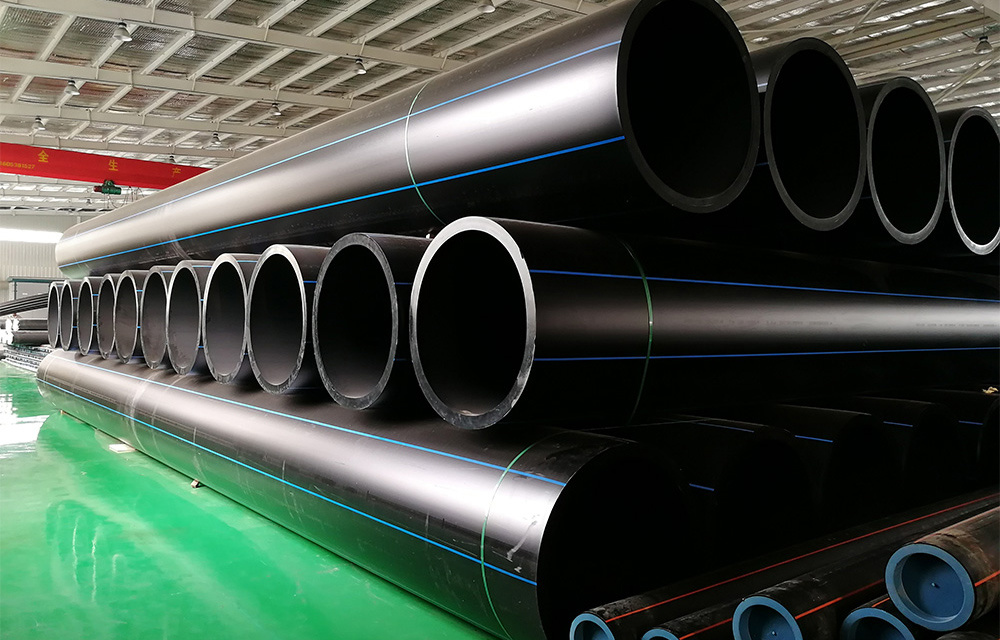
HDPE pipes are specifically engineered for durability and flexibility, making them well-suited for the demanding conditions encountered during pipe jacking. Their remarkable resistance to corrosion, chemicals, and impact makes HDPE an attractive option for contractors aiming to meet stringent industry standards while ensuring long-term reliability.
Key Characteristics of HDPE Pipes
To understand why HDPE pipes stand out in the pipe jacking industry, it’s essential to examine their key characteristics:
1. Durability and Strength
HDPE pipes boast exceptional strength-to-density ratios, providing added resilience against external pressures and environmental factors. This durability translates to longer lifespans and reduced maintenance costs, making HDPE a reliable choice for underground installations.
2. Flexibility and Ease of Installation
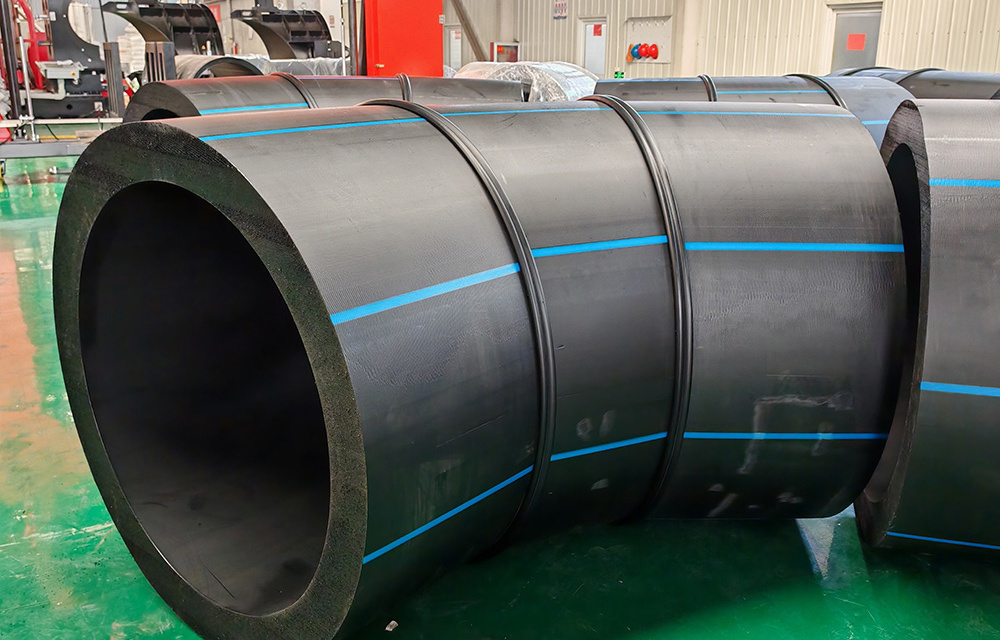
One of the standout features of HDPE pipes is their flexibility. They can be bent and curved without compromising structural integrity, allowing for easier navigation through complex underground environments. This flexibility simplifies the installation process, significantly reducing labor and machinery costs associated with traditional methods.
3. Corrosion and Chemical Resistance
Unlike traditional materials such as metal or concrete, HDPE does not corrode or deteriorate when exposed to moisture or harsh chemicals. This property is particularly advantageous for pipe jacking projects, ensuring that pipes remain functional and safe over extended periods, regardless of the surrounding soil conditions.
4. Lightweight Design
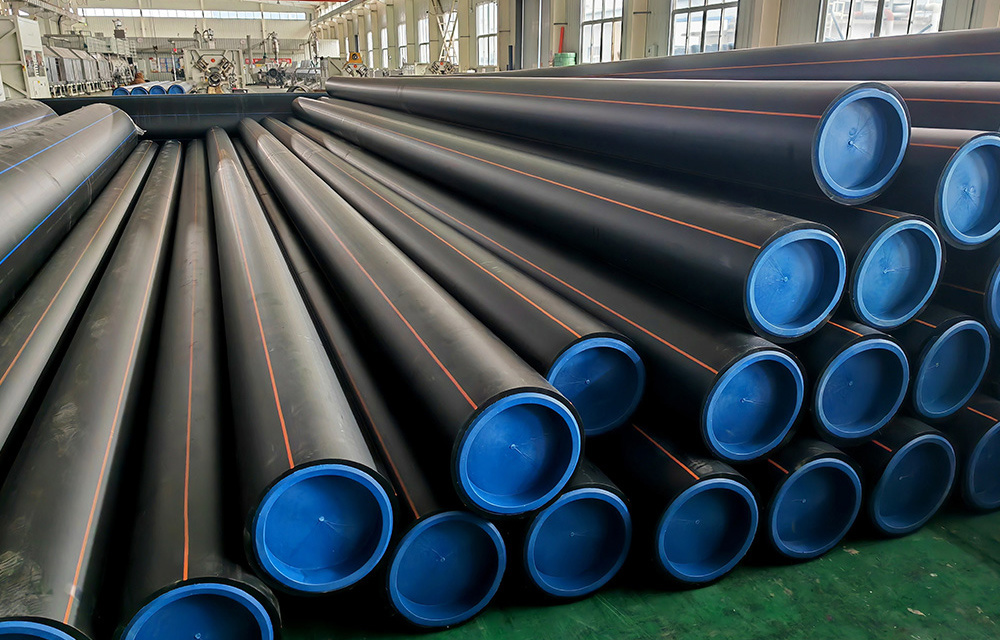
The lightweight nature of HDPE pipes makes them easier to transport and handle on-site. This weight advantage contributes to reduced shipping costs and simplifies handling during installation, allowing for faster project completion.
5. Environmental Sustainability
As environmental regulations become increasingly stringent, the construction industry seeks sustainable solutions. HDPE pipes are recyclable and produced from non-toxic materials, making them an eco-friendly choice. Their reduced need for excavation also minimizes habitat disruption, aligning with modern sustainability goals.
Performance Standards of HDPE Pipes in Pipe Jacking
To be deemed suitable for pipe jacking applications, HDPE pipes must meet specific performance standards set by industry authorities. Understanding these standards can help contractors ensure they are utilizing the right materials for their projects.
1. ASTM Standards
The American Society for Testing and Materials (ASTM) has established guidelines for HDPE pipe materials, including ASTM D3035 and ASTM D2487. These standards outline the physical and mechanical properties that HDPE pipes must demonstrate, ensuring reliability and safety in their applications.
2. AASHTO Standards
The American Association of State Highway and Transportation Officials (AASHTO) also provides standards for HDPE pipes used in transportation projects. Compliance with these specifications guarantees that the pipes can withstand the stresses associated with traffic loads and soil pressures.
3. NSF Certification
For applications involving drinking water, HDPE pipes must meet standards set forth by the National Sanitation Foundation (NSF). NSF certification ensures that the pipes are safe for potable water use, giving contractors and consumers confidence in their performance.
Advantages of Using HDPE Pipes for Pipe Jacking
When considering the benefits of using HDPE pipes in pipe jacking, several advantages stand out:
1. Cost-Effectiveness
While the initial investment in HDPE pipes may be slightly higher than traditional materials, their durability and reduced maintenance costs lead to significant long-term savings. Fewer repairs and replacements mean lower overall project costs.
2. Reduced Installation Time
The lightweight and flexible design of HDPE pipes facilitates quicker installation compared to heavier alternative materials. This efficiency reduces labor costs and accelerates project timelines, giving contractors a competitive edge.
3. Enhanced Safety
The trenchless nature of pipe jacking, combined with the properties of HDPE, contributes to a safer working environment. Reduced excavation limits the risk of accidents and injuries, making HDPE pipes an attractive choice for contractors prioritizing safety.
4. Improved Flow Characteristics
HDPE pipes feature smooth inner surfaces that promote optimal flow characteristics. This design minimizes friction loss, enhancing system efficiency and reducing energy costs for pumping fluids through the pipes.
Challenges in the Pipe Jacking Process and How HDPE Addresses Them
Despite the numerous advantages of pipe jacking, challenges can arise during installation. HDPE pipes offer solutions to some of these common issues:
1. Soil Conditions
Diverse soil conditions can pose challenges during pipe jacking. However, the flexibility of HDPE pipes allows them to adapt to varying soil types, reducing the risk of damage during installation.
2. Groundwater Management
In projects where groundwater is present, traditional materials may suffer from corrosion or displacement. HDPE's resistance to moisture ensures stability and durability even in saturated conditions.
3. Pipe Misalignment
Misalignment of pipes during installation can lead to operational inefficiencies. The inherent flexibility of HDPE pipes minimizes the risk of misalignment, ensuring that the installed pipeline maintains its intended trajectory.
Case Studies: Successful Applications of HDPE in Pipe Jacking
Real-world applications demonstrate the effectiveness of HDPE pipes in pipe jacking projects. Some notable case studies include:
1. Urban Infrastructure Renewal
In urban environments, where space is limited, HDPE pipes have been used successfully for the installation of stormwater management systems. Their flexibility allows for intricate routing under existing infrastructure, minimizing disruption to the surrounding area.
2. Utility Replacement Projects
For aging utility systems, HDPE pipes have proven invaluable. In one notable project, an aging sewer line was replaced using pipe jacking methods with HDPE, resulting in an efficient installation that minimized traffic disruptions and public inconvenience.
Frequently Asked Questions (FAQs)
1. What makes HDPE pipes a better choice for pipe jacking compared to concrete or steel?
HDPE pipes offer superior flexibility, resistance to corrosion, and lightweight properties, making them easier to install and maintain compared to traditional concrete or steel pipes.
2. How long do HDPE pipes typically last in underground installations?
With proper installation and maintenance, HDPE pipes can last over 50 years, making them a long-term investment for underground applications.
3. Are HDPE pipes environmentally friendly?
Yes, HDPE pipes are recyclable and produced from non-toxic materials, making them an eco-friendly option for construction projects.
4. Can HDPE pipes be used for both water and wastewater applications?
Absolutely! HDPE pipes are versatile and suitable for a range of applications, including both potable water and wastewater systems.
5. How does the installation process of HDPE pipes differ from traditional methods?
The installation of HDPE pipes through pipe jacking is trenchless, meaning it requires less surface excavation and minimizes disruption compared to traditional installation methods.
Conclusion
In conclusion, HDPE pipes have firmly established themselves as a superior choice within the pipe jacking industry. Their unique properties, including durability, flexibility, corrosion resistance, and environmental sustainability, make them an ideal material for modern construction projects. By understanding the advantages and performance standards associated with HDPE, contractors can make informed decisions that not only enhance project efficiency but also align with contemporary sustainability goals. As the industry continues to evolve, HDPE pipes will undoubtedly play a pivotal role in shaping the future of underground construction.
Previous Page

Customer Service Hotline
Sales Department Email
Website (Web)
Customer Service Email
Business Cooperation Email
Address
No.32 Donghai Road, Cangzhou Development Zone, Hebei Province, China
Company Address
No. 32 Donghai Road, Cangzhou Development Zone, Hebei Province, China