


11
2026
-
04
Exploring the Benefits and Applications of PPH Hot Melt Pipe Fittings in Construction
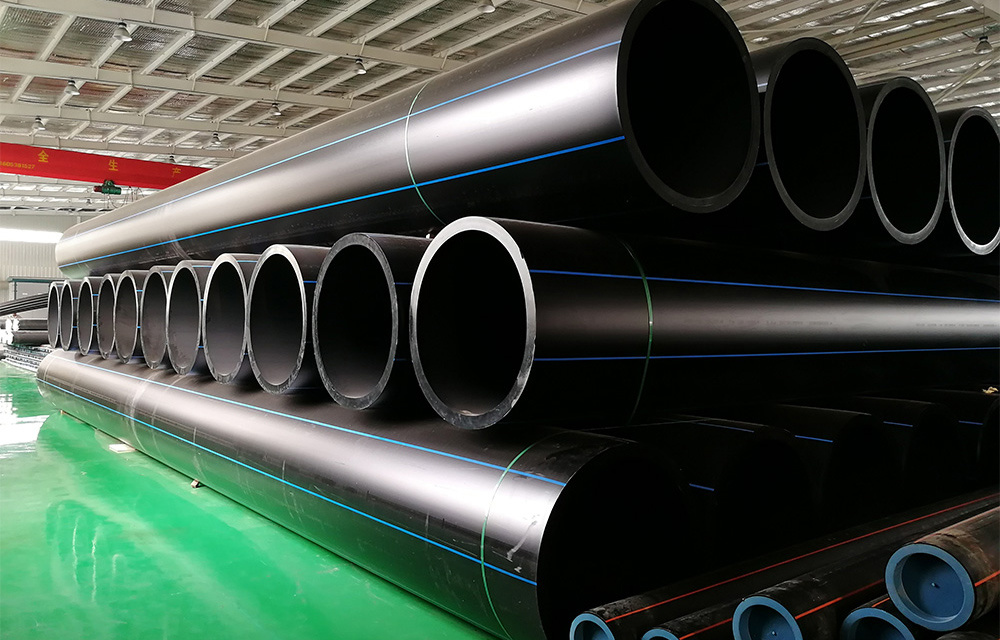
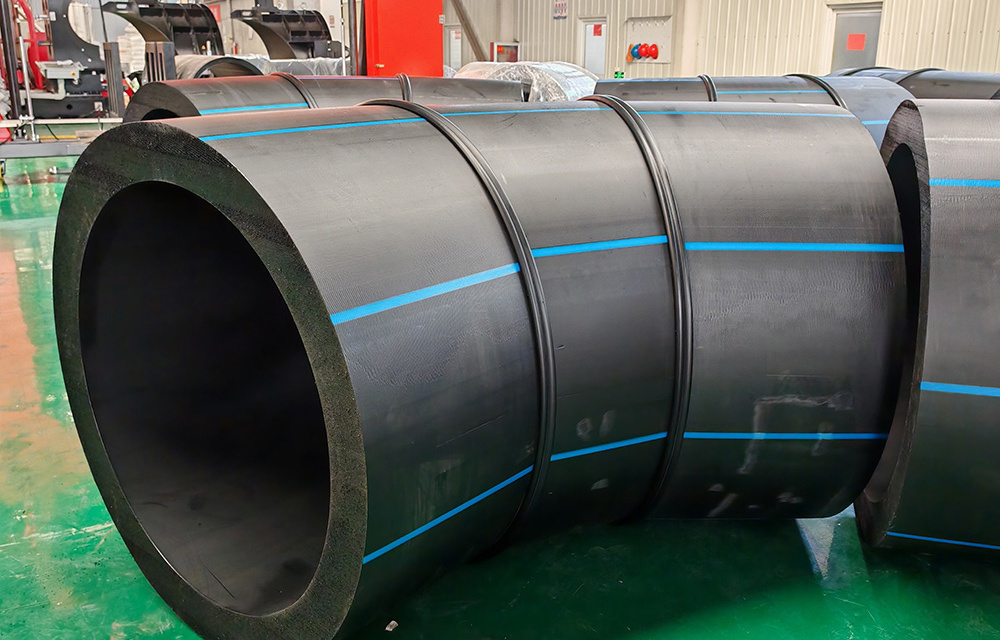
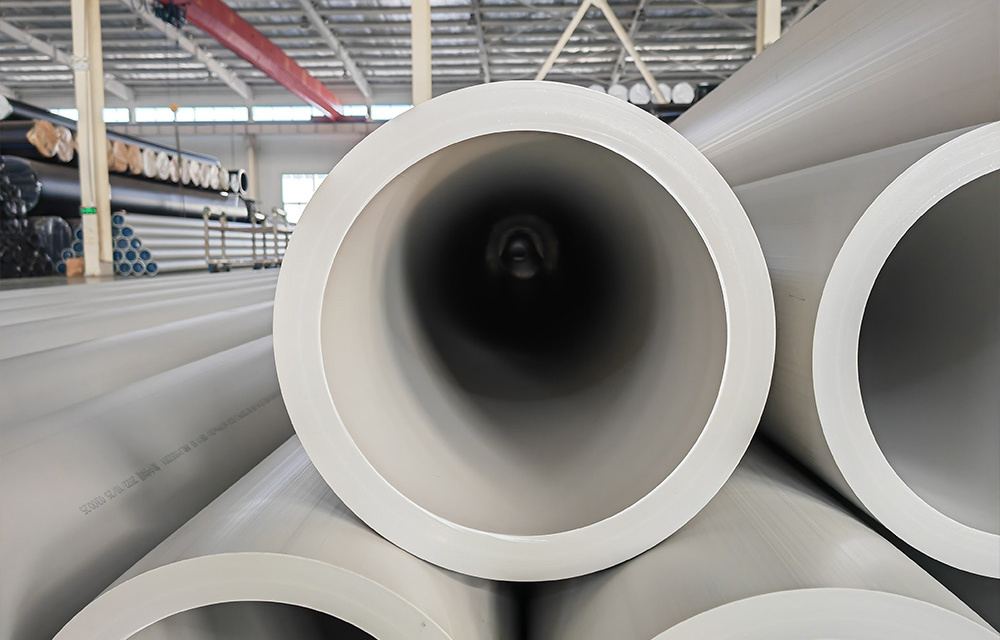
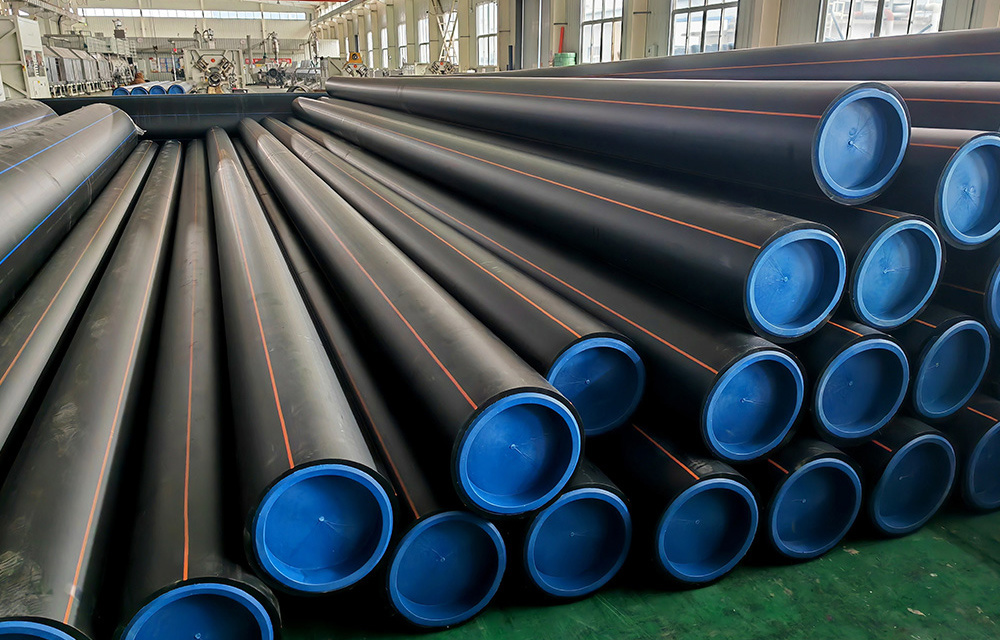
PPH Hot Melt Pipe Fittings, known for their exceptional performance in various construction applications, have gained significant attention in the building materials sector. Primarily, PPH (Polypropylene Homopolymer) is a thermoplastic polymer that is widely used for manufacturing pipe fittings due to its excellent chemical resistance, lightweight nature, and durability. These attributes make PPH
One of the most notable advantages of PPH Hot Melt Pipe Fittings is their ability to withstand high temperatures and corrosive substances, making them suitable for transporting hot water and aggressive chemicals. Their heat resistance allows them to be used in heating systems and industrial processes, where traditional materials might fail due to thermal stress or chemical exposure. Additionally, PPH fittings are less likely to corrode over time, which ensures a longer lifespan and reduced maintenance costs for piping systems.
The installation process of PPH Hot Melt Pipe Fittings is also a significant selling point. These fittings are designed to be joined using a hot melt adhesive technique, which simplifies the installation process. This method not only reduces the time and labor involved but also ensures a secure and leak-proof connection. As a result, they are a preferred choice for contractors looking to streamline their workflow and enhance project efficiency.
In the context of sustainability, PPH is a recyclable material, which aligns with the increasing emphasis on eco-friendly construction practices. Using PPH Hot Melt Pipe Fittings can contribute to a more sustainable building approach by minimizing waste and reducing reliance on non-renewable resources.
Furthermore, PPH Hot Melt Pipe Fittings offer versatility across various applications. Whether in residential plumbing, commercial buildings, or industrial facilities, these fittings can be adapted to meet diverse system specifications. Their compatibility with other piping materials also allows for integration into existing systems, providing flexibility for renovations and upgrades.
In conclusion, PPH Hot Melt Pipe Fittings represent a significant advancement in the construction materials field, offering a blend of durability, efficiency, and sustainability. Understanding the advantages and applications of these fittings can empower construction professionals to make informed decisions that enhance system performance and longevity while contributing to environmentally responsible building practices. Embracing this innovative solution may well be the future of plumbing and piping systems in the construction industry.

Customer Service Hotline
Sales Department Email
Website (Web)
Customer Service Email
Business Cooperation Email
Address
No.32 Donghai Road, Cangzhou Development Zone, Hebei Province, China
Company Address
No. 32 Donghai Road, Cangzhou Development Zone, Hebei Province, China