


09
2026
-
04
Optimizing Landfill Leachate Management with HDPE Pipes
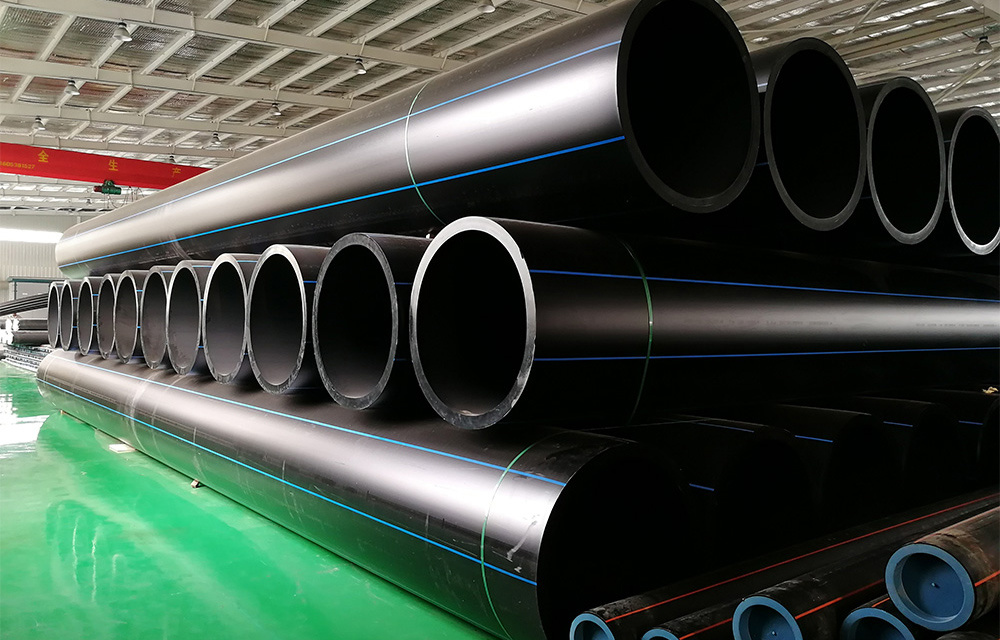
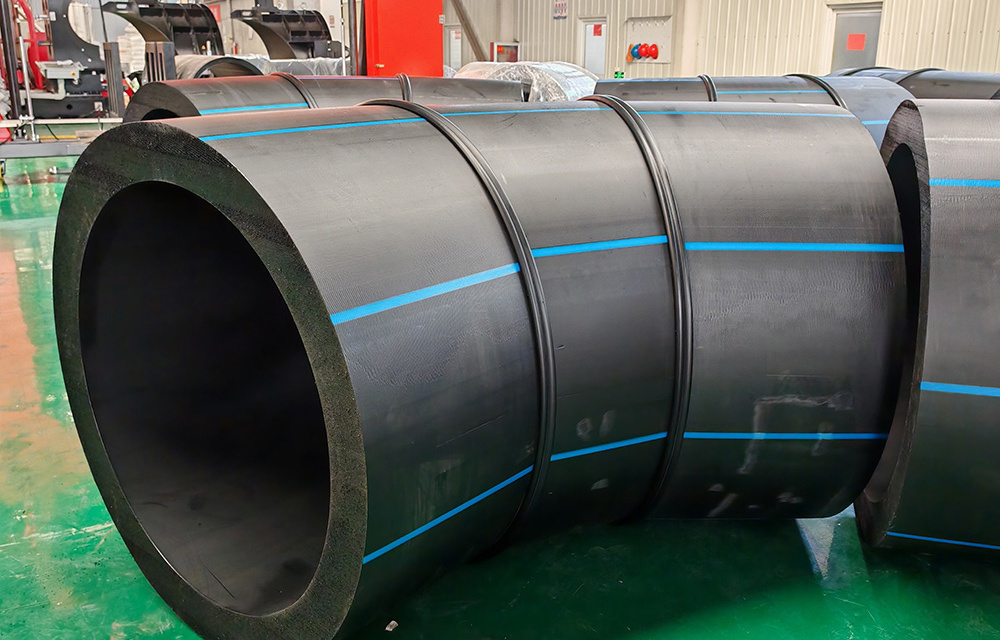
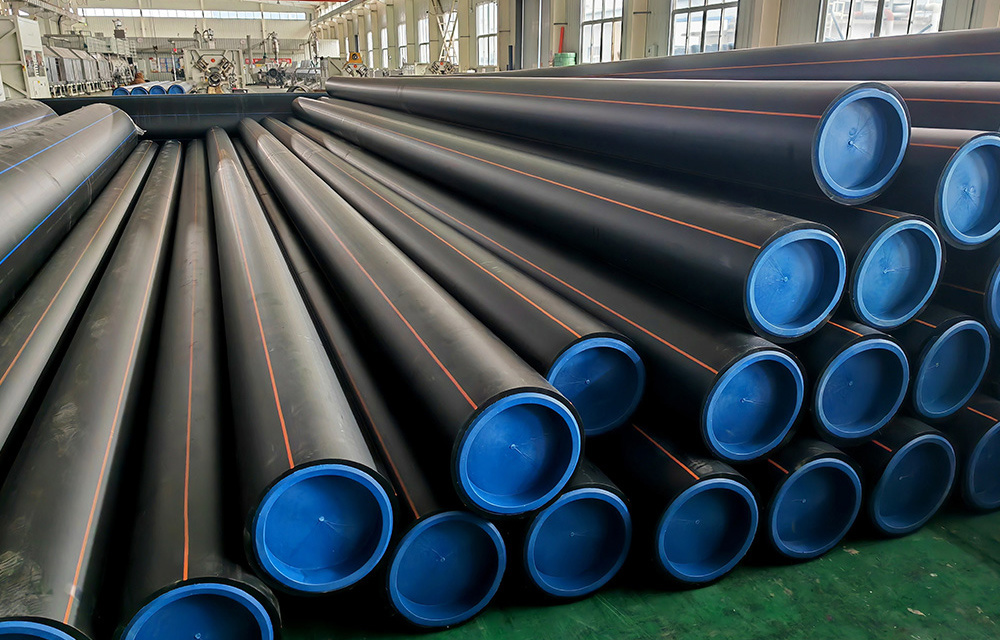
High-Density Polyethylene (HDPE) pipes are increasingly recognized for their effectiveness in managing landfill leachate, a hazardous liquid produced when rainwater seeps through waste materials. HDPE pipes offer several advantages that make them a preferred choice for leachate collection and transport systems in landfills. One of the primary benefits of HDPE pipes is their high chemical resistan
One of the primary benefits of HDPE pipes is their high chemical resistance. Leachate typically contains a complex mix of organic and inorganic contaminants, making it corrosive and challenging to handle. HDPE pipes are not only resistant to these chemicals but also maintain their structural integrity over time, reducing the risk of leaks that could cause environmental contamination. Their durability ensures that they can withstand the harsh conditions often found in landfill environments.
Another significant advantage of HDPE pipes is their flexibility and lightweight nature. This characteristic allows for easier handling and installation compared to traditional materials like concrete or metal. The flexible design of HDPE pipes can adapt to the shifting and settling of landfill waste, ensuring a reliable system that minimizes the potential for damage. Additionally, their lightweight nature can lead to reduced transportation costs and simpler installation processes, which can be particularly beneficial for large-scale landfill operations.
From a maintenance perspective, HDPE pipes require minimal upkeep, which can lead to lower long-term operational costs. Their smooth inner walls also help to reduce friction and blockages, ensuring efficient flow of leachate. Regular inspections and monitoring can help maintain the system's effectiveness, but the overall maintenance demands are significantly lower than with other materials.
When planning a leachate management system using HDPE pipes, it’s important to consider the design and layout carefully. Proper sizing and spacing of the pipes are crucial for optimal leachate collection and drainage. Additionally, incorporating features such as inspection ports can facilitate easier monitoring and maintenance of the system.
In summary, HDPE pipes play a vital role in the effective management of landfill leachate, offering durability, flexibility, and low maintenance requirements. By leveraging these advantages, waste management professionals can enhance the efficiency and environmental safety of their leachate management systems, contributing to better landfill operations and reduced ecological impact.

Customer Service Hotline
Sales Department Email
Website (Web)
Customer Service Email
Business Cooperation Email
Address
No.32 Donghai Road, Cangzhou Development Zone, Hebei Province, China
Company Address
No. 32 Donghai Road, Cangzhou Development Zone, Hebei Province, China