


08
2026
-
04
Future Trends in HDPE Pipe Technology for Geothermal Systems: Innovations and Advancements
Future Trends in HDPE Pipe Technology for Geothermal Systems Introduction to HDPE Pipes in Geothermal Systems In the realm of sustainable energy solutions, **high-density polyethylene (HDPE) pipes** have emerged as a key component in geothermal systems. These innovative pipes offer a multitude of advantages, such as corrosion resistance, high tensile strength, and flexibility, making them an optim
Future Trends in HDPE Pipe Technology for Geothermal Systems
Introduction to HDPE Pipes in Geothermal Systems
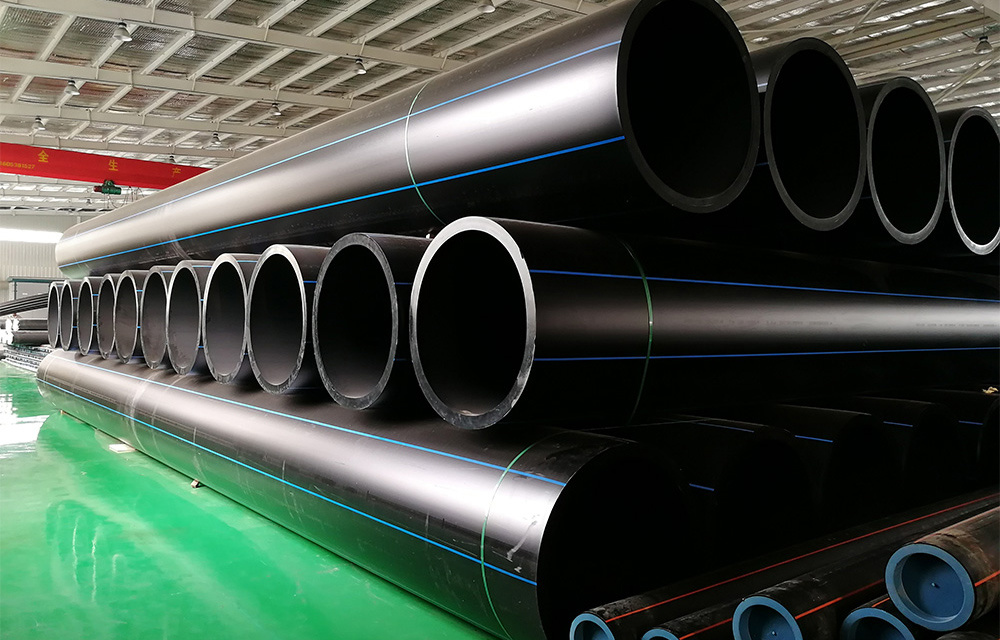
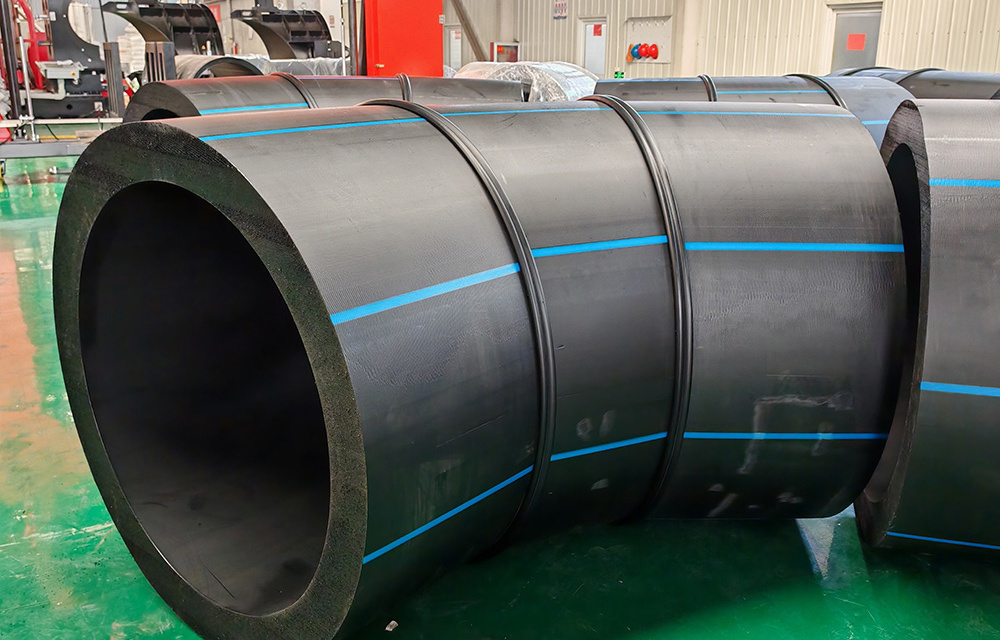
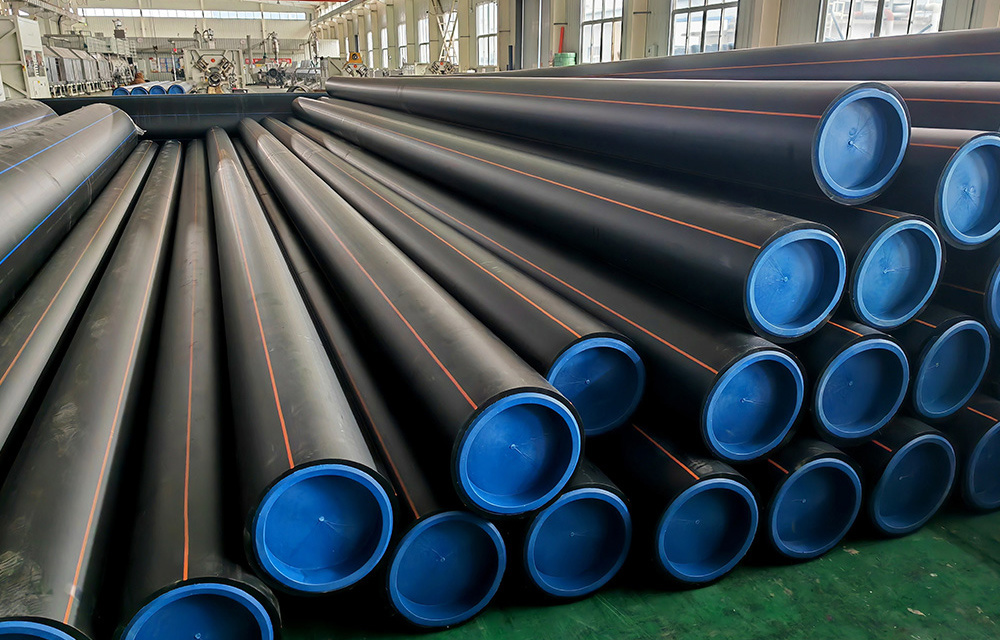
In the realm of sustainable energy solutions, **high-density polyethylene (HDPE) pipes** have emerged as a key component in geothermal systems. These innovative pipes offer a multitude of advantages, such as corrosion resistance, high tensile strength, and flexibility, making them an optimal choice for both residential and commercial geothermal installations. As the demand for geothermal energy continues to rise, it is essential to explore the future trends in HDPE pipe technology that will enhance the performance and efficiency of geothermal systems.
The Role of HDPE Pipes in Geothermal Energy
HDPE pipes play a critical role in geothermal systems by serving as the medium for transporting heat exchange fluids. These pipes facilitate the transfer of energy from the ground to the building, allowing for efficient heating and cooling. The unique properties of HDPE, including its ability to withstand extreme temperatures and pressures, make it particularly well-suited for geothermal applications.
Advantages of HDPE Pipes in Geothermal Systems
1. **Corrosion Resistance**: Unlike traditional materials such as metal or concrete, HDPE pipes are resistant to corrosion, ensuring longevity and reducing maintenance costs.
2. **Flexibility and Durability**: HDPE pipes can withstand bending and movement without breaking, making them ideal for installation in various terrains.
3. **Lightweight Nature**: Being lightweight facilitates easier handling and installation, reducing labor costs and installation time.
4. **Cost-Effectiveness**: The reduced need for maintenance and the long lifespan of HDPE pipes contribute to lower overall costs for geothermal projects.
Current Trends in HDPE Pipe Technology
As we look toward the future, several trends are emerging in HDPE pipe technology that are poised to revolutionize geothermal systems.
1. Enhanced Manufacturing Techniques
Recent advancements in manufacturing processes have led to the production of HDPE pipes with improved material properties. Techniques such as **multi-layer extrusion** and **blow molding** allow for pipes to maintain structural integrity while enhancing thermal performance.
2. Smart Pipe Technologies
The integration of smart technologies into HDPE pipes is gaining traction. Sensors can be embedded within the pipes to monitor temperature, pressure, and flow rates in real-time, allowing for proactive maintenance and optimization of geothermal systems.
3. Sustainable Materials and Recycling Efforts
The drive for sustainability is influencing HDPE pipe production. Manufacturers are increasingly utilizing recycled HDPE materials, which not only reduces waste but also lowers the carbon footprint associated with new pipe production.
4. Advanced Joining Techniques
Innovations in joining methods, such as **fusion welding** and **electrofusion**, are improving the reliability and longevity of HDPE pipe connections. These techniques ensure seamless joints, minimizing the potential for leaks and system failures.
Challenges and Solutions in HDPE Pipe Implementation
While HDPE pipes offer numerous benefits, several challenges must be addressed to optimize their use in geothermal systems.
1. Installation Challenges
The installation of HDPE pipes in geothermal systems can be complicated by factors such as soil conditions and existing infrastructure. Employing advanced trenchless technology can help mitigate these issues, allowing for less invasive installation processes.
2. Temperature Limitations
Although HDPE pipes are designed to withstand high temperatures, extreme geothermal conditions may pose risks. Research and development are underway to create HDPE variants specifically engineered for higher thermal resistance.
3. Regulatory Compliance
Navigating the regulatory landscape can be challenging for geothermal projects using HDPE pipes. It is essential for manufacturers and contractors to stay updated on local codes and standards to ensure compliance and safety.
The Future Outlook for HDPE Pipes in Geothermal Systems
The future of HDPE pipes in geothermal systems is bright, driven by ongoing technological advancements and an increasing shift towards sustainable energy sources. As the demand for geothermal energy continues to grow, innovation in HDPE pipe technology will play a pivotal role in enhancing system efficiency and reliability.
1. Global Market Trends
The global market for HDPE pipes is expected to expand significantly due to the rising emphasis on renewable energy projects. As countries commit to reducing greenhouse gas emissions, geothermal energy, along with HDPE pipes, will become increasingly integral to achieving these goals.
2. Research and Development Initiatives
Investments in research and development are crucial for pushing the boundaries of HDPE pipe technology. Collaborations between universities, research institutions, and manufacturing companies will foster innovation and lead to breakthroughs in material science and engineering.
3. Future Technologies
Emerging technologies, including **3D printing** and **advanced materials**, are likely to influence the future of HDPE pipes. These technologies can provide customized solutions that cater to specific geothermal system needs, improving overall performance.
Case Studies: Successful Implementation of HDPE Pipes in Geothermal Systems
Examining real-world applications can shed light on the effectiveness of HDPE pipes in geothermal systems.
1. Residential Geothermal Installations
In residential settings, HDPE pipes have successfully facilitated efficient heating and cooling through geothermal heat pump systems. Homeowners have reported significant reductions in energy bills and improved comfort levels.
2. Commercial Geothermal Projects
Large-scale commercial projects have also benefitted from HDPE pipe technology. For instance, universities and hospitals utilizing geothermal energy for climate control have experienced enhanced energy efficiency and lower operational costs.
FAQs about HDPE Pipes in Geothermal Systems
1. What are HDPE pipes made of?
HDPE pipes are constructed from high-density polyethylene, a thermoplastic polymer known for its strength, durability, and resistance to chemical degradation.
2. How long do HDPE pipes last?
HDPE pipes can last for several decades, often exceeding 50 years, when properly installed and maintained.
3. Can HDPE pipes be recycled?
Yes, HDPE pipes are fully recyclable, and efforts are being made to incorporate recycled materials into new pipe production.
4. What are the temperature limits for HDPE pipes?
HDPE pipes can typically withstand temperatures up to 180°F (82°C), but specialized variants can handle even higher temperatures for geothermal applications.
5. Are there any disadvantages to using HDPE pipes?
While HDPE pipes offer numerous benefits, potential disadvantages include installation complexity in challenging terrains and the need for careful management of thermal expansion.
Conclusion
The future of HDPE pipe technology in geothermal systems is filled with promise as innovations and advancements continue to unfold. By addressing current challenges and harnessing emerging technologies, HDPE pipes are set to play a critical role in the sustainable energy landscape. As we move towards a greener future, investing in high-quality HDPE pipes for geothermal applications will not only enhance efficiency and reliability but also contribute to a more sustainable environment. Embracing these future trends will ensure that geothermal systems remain a viable and effective solution for harnessing renewable energy.

Customer Service Hotline
Sales Department Email
Website (Web)
Customer Service Email
Business Cooperation Email
Address
No.32 Donghai Road, Cangzhou Development Zone, Hebei Province, China
Company Address
No. 32 Donghai Road, Cangzhou Development Zone, Hebei Province, China