


04
2026
-
04
Leachate Treatment: The Case for HDPE Pipe Solutions
Leachate Treatment: The Case for HDPE Pipe Solutions Understanding Leachate and Its Environmental Impact Leachate is the liquid that drains or 'leaches' from a landfill. This liquid can contain harmful substances, including organic and inorganic pollutants, which pose significant risks to groundwater and surface water quality. As we delve into the complexities of leachate treatment, understand
Leachate Treatment: The Case for HDPE Pipe Solutions
Understanding Leachate and Its Environmental Impact
Leachate is the liquid that drains or 'leaches' from a landfill. This liquid can contain harmful substances, including organic and inorganic pollutants, which pose significant risks to groundwater and surface water quality. As we delve into the complexities of leachate treatment, understanding its composition and potential hazards is crucial.
### What is Leachate?
Leachate is generated when water percolates through waste materials, carrying soluble and suspended materials with it. The nature of leachate varies depending on the waste composition and environmental conditions, leading to a complex mixture that can include heavy metals, pathogens, and organic compounds.
### The Risks of Untreated Leachate
Improper management of leachate can lead to severe environmental degradation. Contaminated leachate can seep into soil and groundwater, risking public health and harming ecosystems. Therefore, effective leachate treatment is essential for sustainable waste management practices.
The Need for Effective Leachate Treatment Systems
To protect our environment from the detrimental effects of leachate, efficient treatment systems must be employed. Traditional methods often fall short, necessitating innovative solutions that can handle the complexities of leachate effectively.
### Challenges in Traditional Leachate Management
Traditional systems, such as lagoons and basic filtration, struggle with the high variability of leachate composition. Common issues include:
- **Inefficiency in Removing Pollutants**: Many traditional systems are not designed for the diverse range of contaminants found in leachate.
- **High Maintenance Costs**: Older systems often require frequent maintenance, leading to increased operational costs.
- **Environmental Risks**: Ineffective treatment can lead to leachate overflow, causing spills that contaminate surrounding areas.
### Advancements in Leachate Treatment Technology
To address these challenges, modern leachate treatment technologies must be adaptable, efficient, and cost-effective. One such solution gaining traction is the use of **High-Density Polyethylene (HDPE) pipes** in leachate management systems.
The Advantages of HDPE Pipes in Leachate Treatment
HDPE pipes have emerged as a preferred choice for leachate treatment systems due to their numerous benefits.
### Durability and Longevity
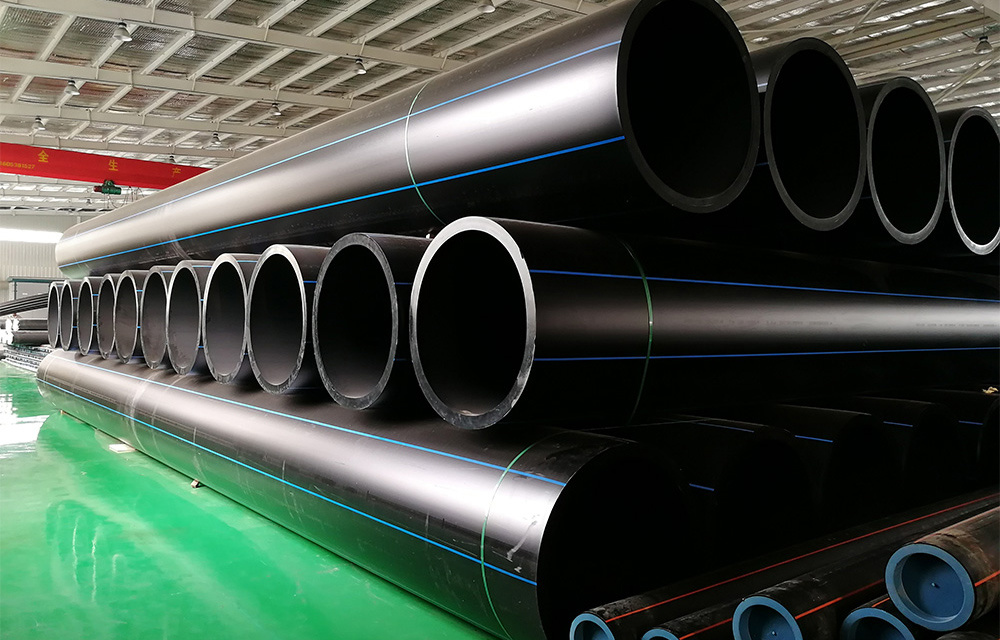
HDPE is known for its exceptional resistance to corrosion and degradation, making it an ideal material for transporting leachate, which can be chemically aggressive. Unlike traditional materials such as PVC or concrete, HDPE pipes can withstand harsh environments, ensuring long-term reliability.
### Cost-Effectiveness
The installation of HDPE pipes can lead to significant cost savings over time. Their lightweight nature simplifies transportation and installation, reducing labor costs. Additionally, the low maintenance needs of HDPE systems contribute to overall project savings.
### Flexibility and Ease of Installation
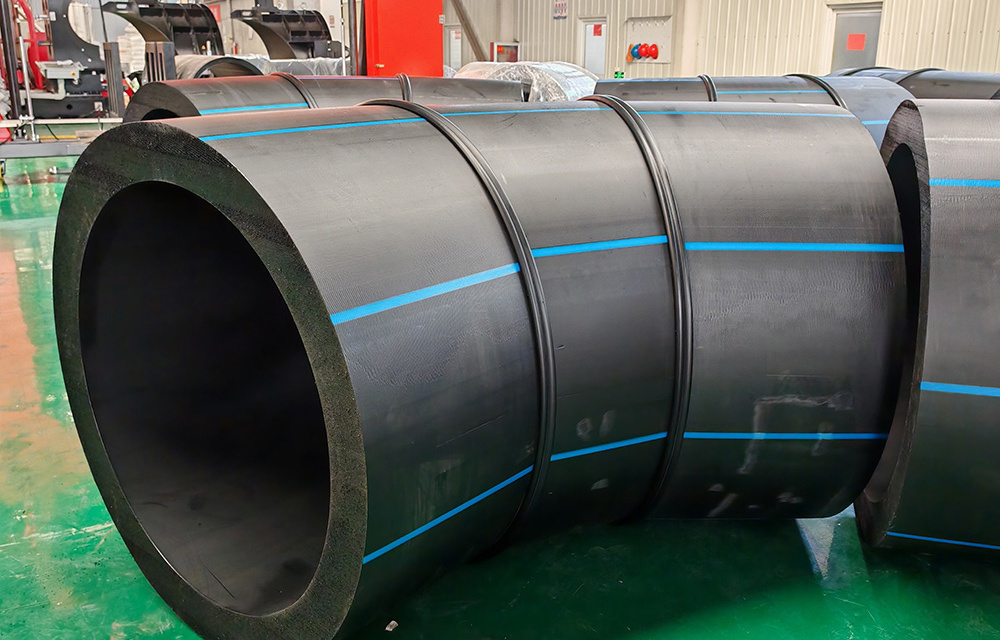
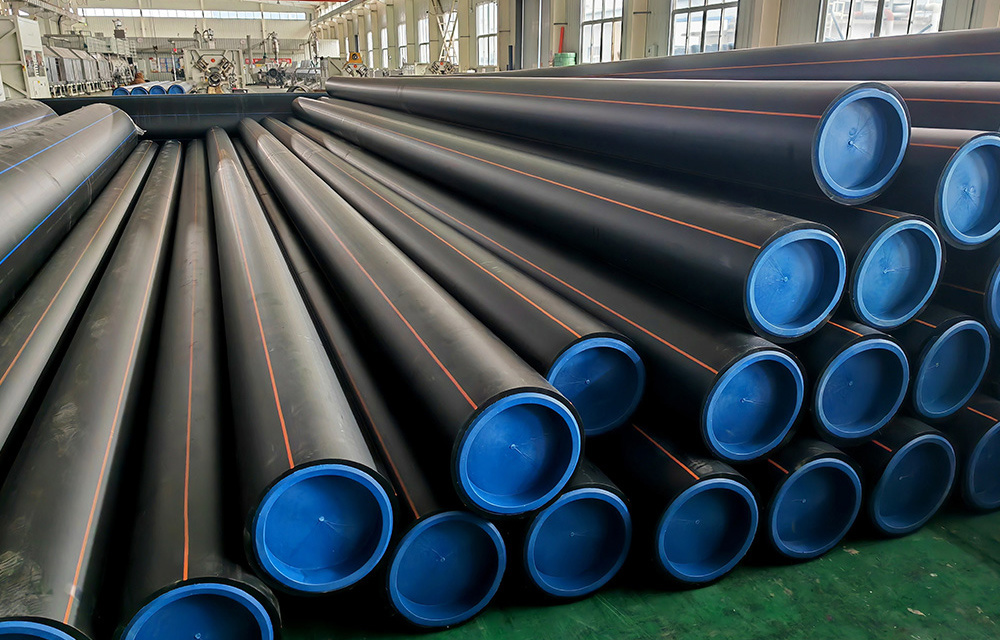
HDPE pipes are available in various diameters and lengths, allowing for customization to fit specific site requirements. Their flexibility enables them to be installed in various configurations, adapting to the unique layout of each landfill site.
### Environmental Benefits
Using HDPE pipes not only enhances the efficiency of leachate treatment but also minimizes the environmental footprint of landfill operations. By reducing the risk of leachate leakage and ensuring effective treatment, HDPE systems contribute positively to environmental protection.
Applications of HDPE Pipes in Leachate Treatment Systems
The versatility of HDPE pipes makes them suitable for various applications in leachate management.
### Collection Systems
In leachate collection systems, HDPE pipes are used to gather leachate from landfill sites efficiently. Their smooth inner surface promotes high flow rates, reducing the risk of blockages.
### Treatment Facilities
In treatment facilities, HDPE pipes can transport leachate to various treatment processes, from biological treatment to advanced oxidation processes. The durability of HDPE ensures that the system can handle the fluctuating flow rates and contaminant concentrations typical of leachate.
### Final Disposal Systems
After treatment, HDPE pipes can be utilized to transport treated leachate to discharge points, ensuring that it meets regulatory standards before being released into the environment.
Technical Considerations for Implementing HDPE Pipe Systems
Implementing HDPE pipe systems in leachate treatment requires careful planning and consideration.
### Design Specifications
When designing a leachate management system with HDPE pipes, factors such as flow rate, pipe diameter, and slope must be considered to optimize performance.
### Installation Guidelines
Proper installation techniques are crucial for the efficacy of HDPE pipe systems. Attention should be paid to jointing methods, as improper joints can lead to leaks.
### Regulatory Compliance
Compliance with local and federal regulations is essential when managing leachate. HDPE pipe systems must meet specific standards to ensure they are suitable for leachate applications.
Case Studies: Successful Implementation of HDPE Pipes
Several case studies illustrate the successful use of HDPE pipes in leachate treatment systems, showcasing their effectiveness and reliability.
### Case Study 1: Urban Landfill
An urban landfill implemented HDPE pipe systems for leachate collection and treatment. The installation led to a **30% reduction** in operational costs due to decreased maintenance needs and enhanced treatment efficiency.
### Case Study 2: Rural Landfill
A rural landfill utilized HDPE pipes for transporting leachate to a centralized treatment facility. The results showed a **significant decrease** in leachate leakage incidents, effectively protecting nearby water sources.
Common Questions About HDPE Pipes and Leachate Treatment
### FAQ 1: What makes HDPE pipes more suitable for leachate treatment than traditional materials?
HDPE pipes are resistant to corrosion and degradation, making them ideal for transporting chemically aggressive leachate. Their durability and low maintenance needs also contribute to their suitability.
### FAQ 2: How can the use of HDPE pipes reduce treatment costs?
HDPE pipes are lightweight and easy to install, which reduces labor costs. Additionally, their durability leads to lower maintenance and replacement costs, contributing to overall savings.
### FAQ 3: What are the environmental benefits of using HDPE pipes?
HDPE pipes minimize the risk of leachate leakage and enhance treatment efficiency, thereby protecting surrounding ecosystems and groundwater quality.
### FAQ 4: Can HDPE pipes be used in existing leachate systems?
Yes, HDPE pipes can be integrated into existing systems, providing a cost-effective upgrade that improves performance and durability.
### FAQ 5: Are there specific regulations for using HDPE pipes in leachate treatment?
Yes, HDPE pipe systems must comply with local and federal regulations related to leachate management and environmental safety.
Future Trends in Leachate Treatment Technology
As we look to the future, advancements in leachate treatment technology will continue to evolve. The integration of smart technology, such as monitoring systems and automated treatment processes, will enhance the efficiency and sustainability of leachate management.
### Innovations in HDPE Pipe Design
Future innovations may include enhanced formulations of HDPE that further improve durability and resistance to leachate stressors, ensuring longevity and performance.
### The Role of Automation
Automation in leachate treatment systems can lead to real-time monitoring and adjustments, optimizing treatment processes and minimizing human error.
Conclusion
In summary, the case for using HDPE pipes in leachate treatment systems is compelling. Their durability, cost-effectiveness, and environmental benefits make them a superior choice for managing leachate effectively. As leachate treatment technology continues to advance, embracing HDPE solutions will not only enhance operational efficiency but also contribute to sustainable environmental practices. By prioritizing effective leachate management, we can safeguard our water resources and promote a healthier planet.
Previous Page

Customer Service Hotline
Sales Department Email
Website (Web)
Customer Service Email
Business Cooperation Email
Address
No.32 Donghai Road, Cangzhou Development Zone, Hebei Province, China
Company Address
No. 32 Donghai Road, Cangzhou Development Zone, Hebei Province, China