


05
2026
-
04
Understanding the Advantages of HDPE Pipe for Pipe Jacking
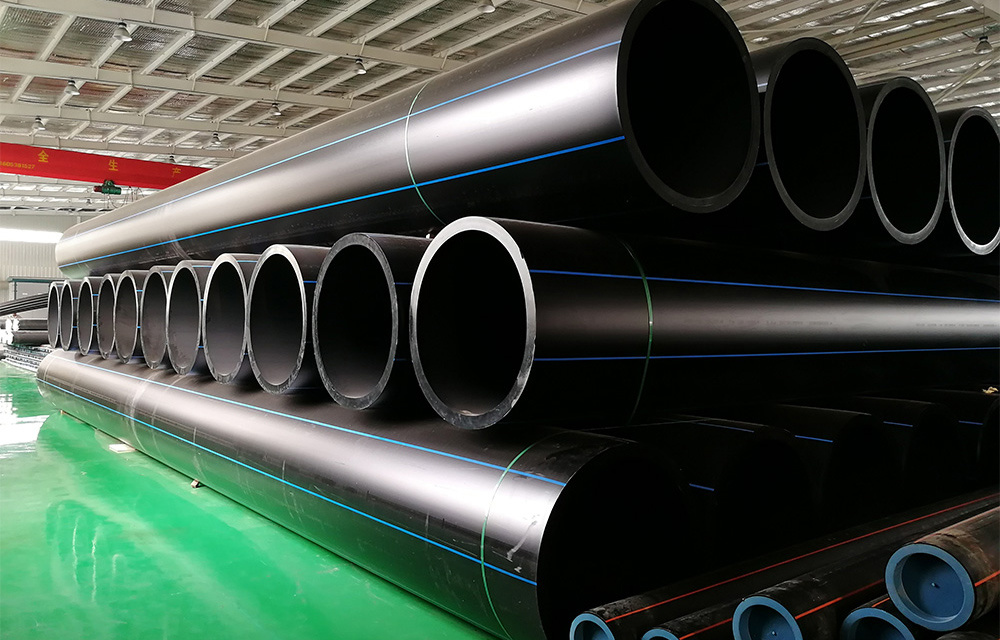
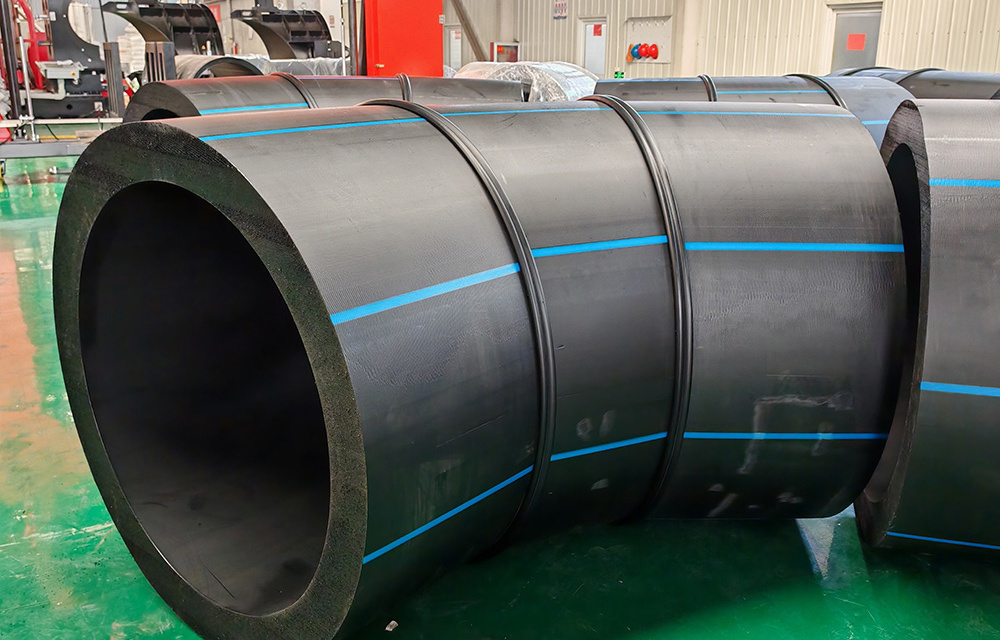
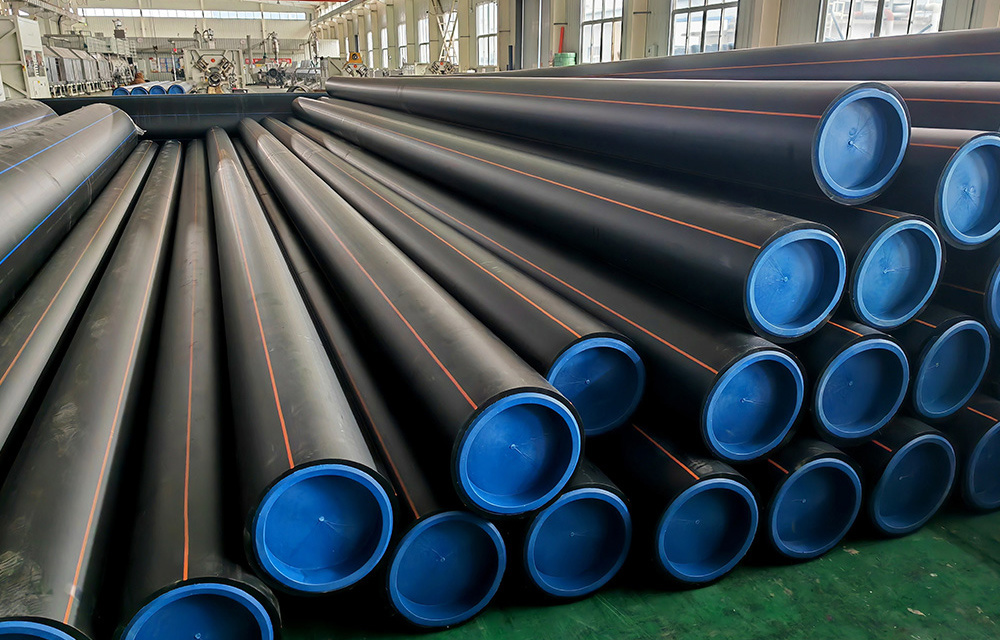
--- HDPE (High-Density Polyethylene) pipes have become a popular choice in various applications within the industrial equipment and piping sectors, particularly in pipe jacking projects. Pipe jacking is a trenchless method of installing underground pipes, which minimizes surface disruption and is often preferred in urban environments. Using HDPE pipes in this process offers several advantages that
HDPE (High-Density Polyethylene) pipes have become a popular choice in various applications within the industrial equipment and piping sectors, particularly in pipe jacking projects. Pipe jacking is a trenchless method of installing underground pipes, which minimizes surface disruption and is often preferred in urban environments. Using HDPE pipes in this process offers several advantages that can enhance efficiency, longevity, and performance.
One of the primary benefits of HDPE pipes is their exceptional durability. HDPE is resistant to corrosion and impact, allowing pipes to withstand harsh environmental conditions and potentially abrasive soils. This characteristic is especially important in pipe jacking where structural integrity is critical, as it reduces the risk of failures during installation and over the lifespan of the pipe.
Additionally, HDPE pipes exhibit flexibility, which is advantageous during the pipe jacking process. Their flexibility allows for easier navigation through bends and turns in existing underground structures, which can be a challenge when using more rigid materials. This adaptability also helps to accommodate ground movement, reducing the likelihood of damage to the pipes and surrounding infrastructure.
The lightweight nature of HDPE pipes facilitates easier handling and transportation. This characteristic is particularly beneficial during installation, as it reduces the overall labor costs and time required for the pipe jacking operation. With less heavy lifting required, crews can work more efficiently, leading to quicker project completion.
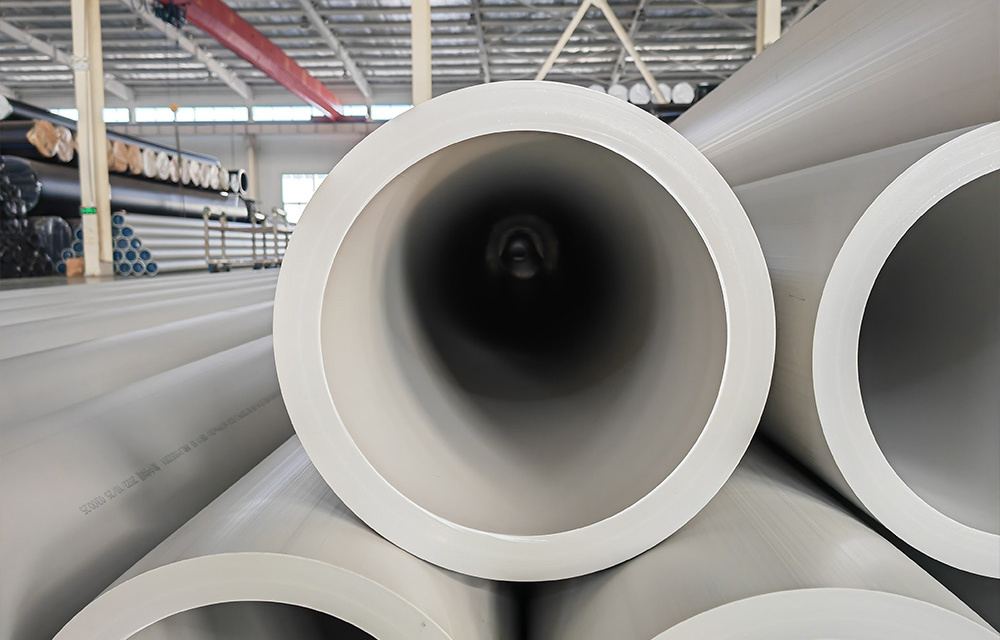
Moreover, HDPE pipes offer excellent hydraulic properties. Their smooth interior surfaces reduce friction and enhance flow rates, making them an ideal choice for various fluid transportation applications. This aspect not only improves the efficiency of the piping system but also results in lower operational costs over time.
Another important consideration is the environmental impact of using HDPE pipes. They are fully recyclable, contributing to sustainable construction practices. As the world moves towards greener solutions, the use of HDPE in pipe jacking aligns with environmental goals by reducing waste and supporting recycling efforts.
Finally, HDPE pipe systems can be joined using heat fusion methods, creating strong, leak-free connections. This feature is crucial in ensuring the reliability of the piping network, as leaks can lead to significant problems, including environmental contamination and costly repairs.
In conclusion, during pipe jacking operations, the use of HDPE pipes presents numerous advantages that can lead to successful installation and long-term performance. Their durability, flexibility, lightweight nature, hydraulic efficiency, environmental friendliness, and reliable joining methods make them an ideal choice for professionals in the industrial piping sector. As technology and construction methods continue to evolve, HDPE pipes are likely to remain a staple in trenchless technology applications.
Previous Page

Customer Service Hotline
Sales Department Email
Website (Web)
Customer Service Email
Business Cooperation Email
Address
No.32 Donghai Road, Cangzhou Development Zone, Hebei Province, China
Company Address
No. 32 Donghai Road, Cangzhou Development Zone, Hebei Province, China