


03
2026
-
04
Harnessing the Power of HDPE Pipes in Geothermal Systems
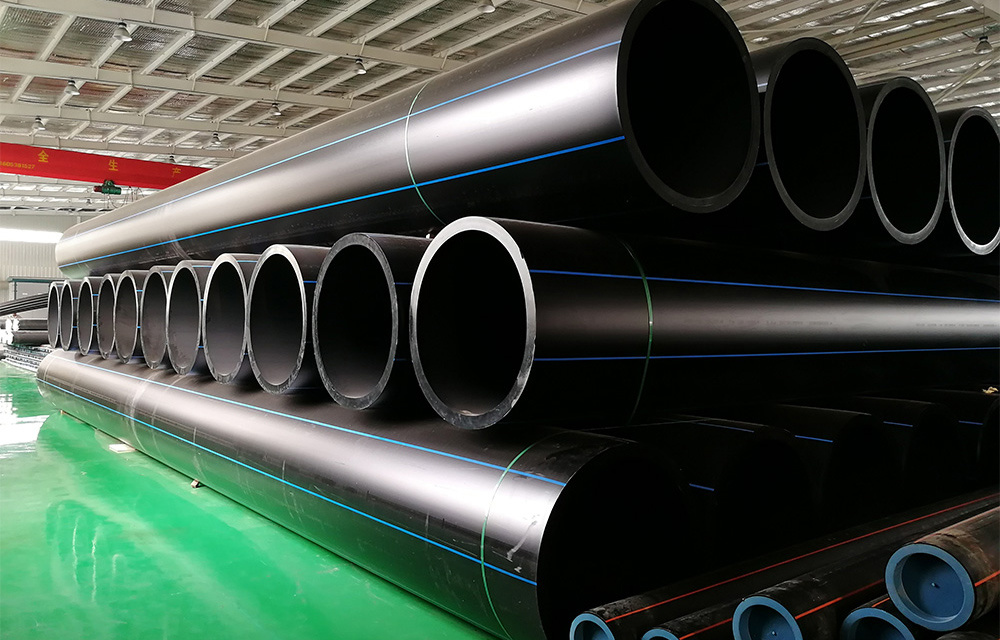
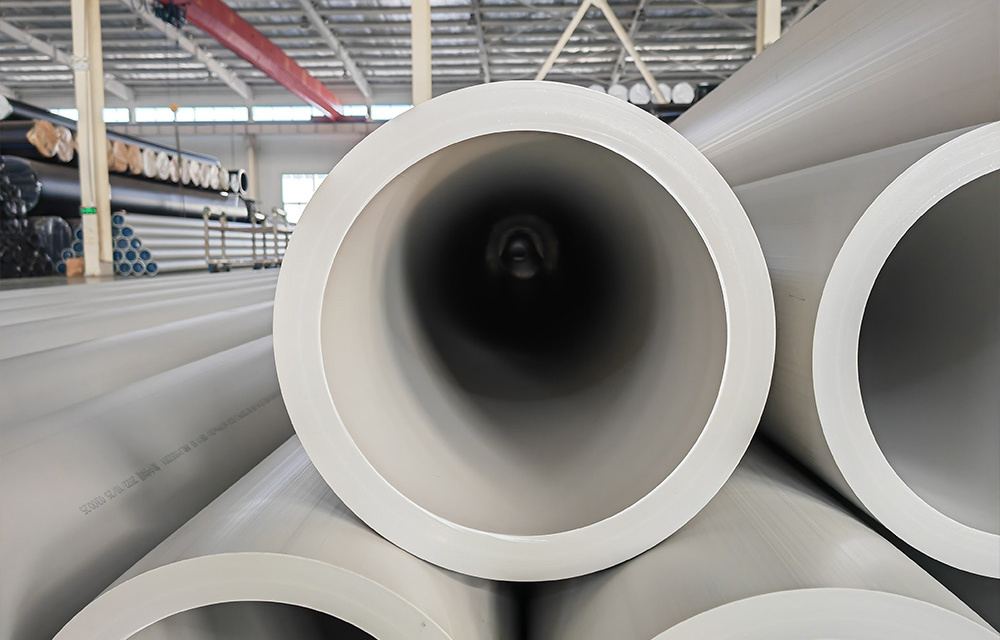
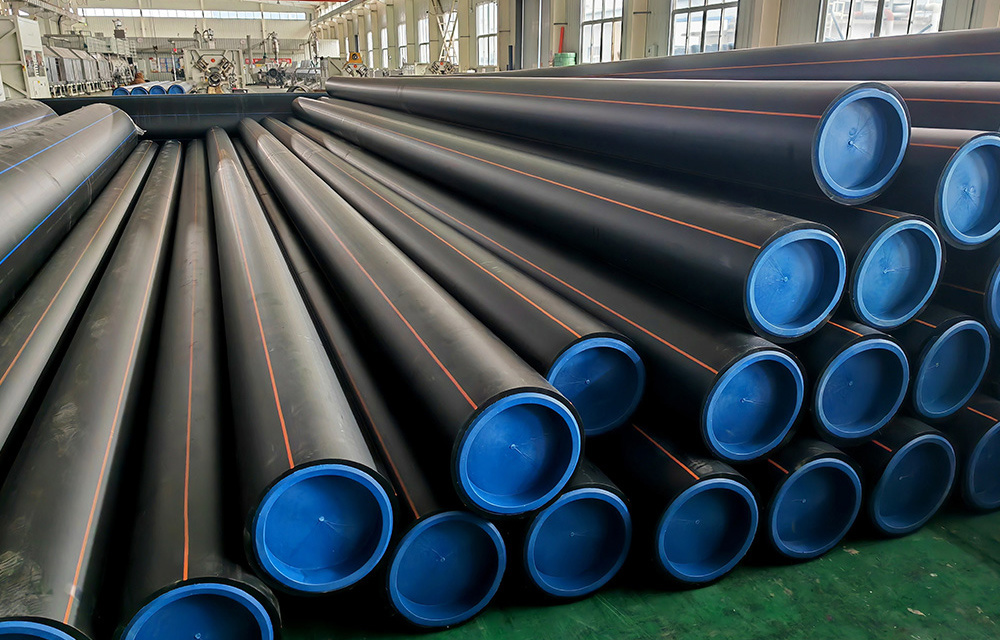
In the realm of geothermal systems, the selection of appropriate piping is crucial for ensuring efficiency and longevity. High-Density Polyethylene (HDPE) pipes have emerged as a preferred choice among industry professionals due to their numerous advantages. This article delves into the technical specifics of HDPE pipes, highlighting their role and benefits in geothermal applications. One of the s
One of the standout features of HDPE pipes is their exceptional durability. Manufactured from tough, high-density polyethylene material, these pipes exhibit remarkable resistance to corrosion and chemical degradation. This quality is particularly beneficial in geothermal systems where pipes are often exposed to harsh environmental conditions, including soil acidity and thermal fluctuations. The longevity of HDPE pipes can significantly reduce maintenance costs and minimize the need for replacements over time.
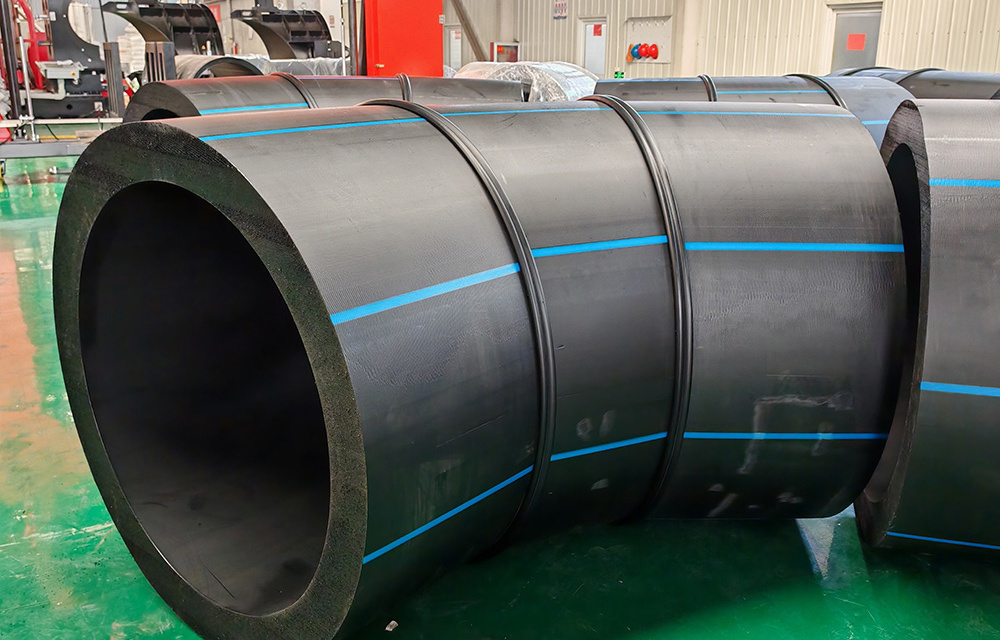
Flexibility is another vital characteristic of HDPE pipes that makes them ideal for geothermal systems. Unlike rigid piping materials, HDPE pipes can bend and curve easily, allowing for intricate installation designs that accommodate the natural contours of the surrounding landscape. This flexibility not only facilitates easier installation but also reduces the risk of joint failures, which can be a common issue with more rigid piping materials.
Furthermore, HDPE pipes boast excellent thermal conductivity, which is critical in geothermal applications. They can effectively transfer heat from the ground to the heat pump system, optimizing energy efficiency. The ability to maintain a stable temperature is essential for maximizing the performance of geothermal systems, and HDPE pipes contribute significantly to achieving this goal.
Another important aspect of HDPE pipes is their lightweight nature. This property simplifies handling and transportation, reducing labor costs during installation. Additionally, the lightweight design minimizes the load on structural supports, a crucial consideration in geothermal systems, particularly those installed in challenging terrains.
Sustainability is also a key consideration in today’s industrial applications. HDPE pipes are fully recyclable, making them an environmentally friendly choice. As energy efficiency becomes increasingly important, employing HDPE pipes in geothermal systems aligns with sustainable practices, promoting a greener footprint.
In conclusion, HDPE pipes offer a robust, flexible, and efficient solution for geothermal systems. Their durability, thermal properties, and lightweight design make them an optimal choice for industry professionals seeking to enhance the performance and reliability of geothermal installations. By leveraging the benefits of HDPE pipes, stakeholders can ensure that their geothermal systems operate at peak efficiency while minimizing environmental impact.

Customer Service Hotline
Sales Department Email
Website (Web)
Customer Service Email
Business Cooperation Email
Address
No.32 Donghai Road, Cangzhou Development Zone, Hebei Province, China
Company Address
No. 32 Donghai Road, Cangzhou Development Zone, Hebei Province, China