


02
2026
-
04
How to Choose the Right Specifications for PE4710 Pipe: A Comprehensive Guide
How to Choose the Right Specifications for PE4710 Pipe: A Comprehensive Guide Choosing the right specifications for PE4710 pipes is critical in ensuring the efficiency and longevity of your piping systems. This guide is designed to provide you with detailed insights into the characteristics, applications, and selection criteria for PE4710 pipes. We will explore everything from material properties
How to Choose the Right Specifications for PE4710 Pipe: A Comprehensive Guide
Choosing the right specifications for PE4710 pipes is critical in ensuring the efficiency and longevity of your piping systems. This guide is designed to provide you with detailed insights into the characteristics, applications, and selection criteria for PE4710 pipes. We will explore everything from material properties to installation considerations, making sure you have all the knowledge required to make informed decisions.
Table of Contents
- What is PE4710 Pipe?
- Key Properties of PE4710 Pipe
- Applications of PE4710 Pipe
- Why Specifications Matter
- Factors to Consider When Choosing PE4710 Specifications
- Sizing and Dimensions
- Installation Considerations
- Maintenance and Care of PE4710 Pipes
- Frequently Asked Questions
What is PE4710 Pipe?
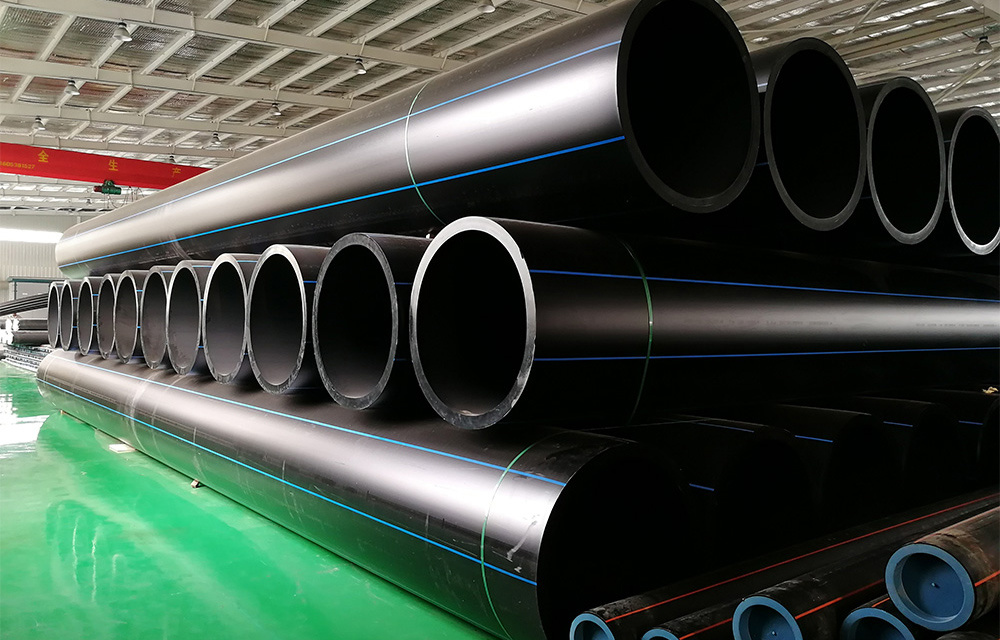
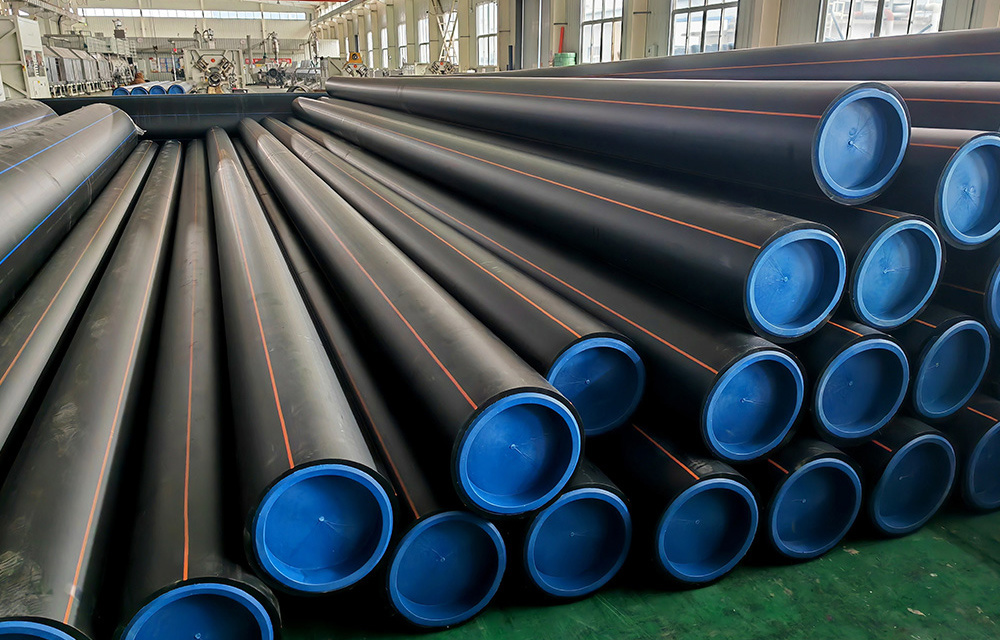
PE4710 pipe is a high-density polyethylene (HDPE) piping system that meets specific material and performance criteria. Its designation as PE4710 indicates that it has a minimum required strength (MRS) of 1,100 psi, making it suitable for various applications involving water, gas, and other fluids. The properties of PE4710 pipes make them an excellent choice for industries requiring durable and reliable piping solutions.
Key Properties of PE4710 Pipe
PE4710 pipes possess several key properties that contribute to their effectiveness in various applications:
1. Durability and Longevity
These pipes are resistant to corrosion, chemicals, and environmental stress, ensuring they maintain their integrity over time. This durability translates into long service life, reducing the need for frequent replacements.
2. Flexibility
The flexibility of PE4710 pipes allows for easier installation, especially in challenging terrains. This characteristic helps minimize the risk of damage during installation and reduces the likelihood of stress fractures.
3. Lightweight
At a fraction of the weight of metal pipes, PE4710 is easier to handle and transport. This advantage can significantly reduce overall project costs, particularly in large-scale installations.
4. Low Friction Loss
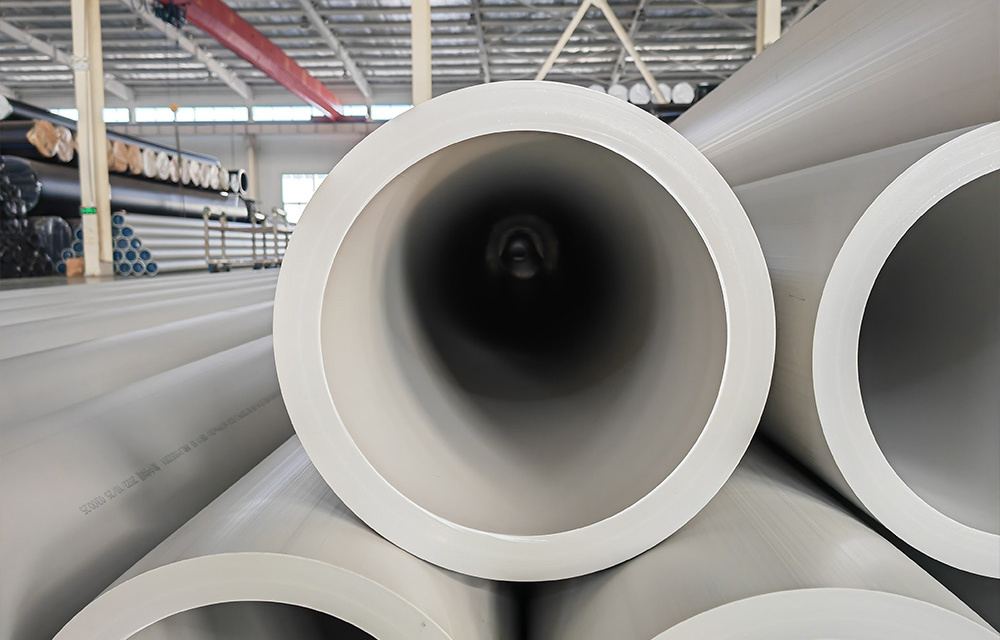
The smooth interior surface of PE4710 pipes reduces friction loss, leading to improved flow rates and energy efficiency. This feature is particularly beneficial in applications where maintaining pressure is crucial.
Applications of PE4710 Pipe
Due to its unique properties, PE4710 pipe is utilized in a wide range of applications:
1. Water Distribution Systems
PE4710 pipes are commonly used for municipal water systems, ensuring reliable and safe delivery of potable water.
2. Natural Gas Distribution
In the natural gas industry, these pipes are preferred for their ability to handle high-pressure gas safely.
3. Industrial Applications
From chemical processing to mining, PE4710 is used in various industrial piping systems for its chemical resistance and durability.
4. Sewage and Wastewater Management
The corrosion resistance of PE4710 pipes makes them suitable for handling sewage and other wastewater materials.
Why Specifications Matter
When it comes to piping systems, the specifications dictate how well the pipes will function for specific applications. Choosing the right specifications for PE4710 pipes ensures that you meet industry standards and regulatory requirements, providing safety and efficiency in your operations.
Factors to Consider When Choosing PE4710 Specifications
Several factors need to be considered when selecting the right specifications for PE4710 pipes:
1. Intended Use
Understanding the application for which the pipe will be used is fundamental. Different applications may require different pressure ratings, sizes, and fittings.
2. Environmental Conditions
Consider the environmental conditions the pipe will be exposed to, including temperature fluctuations, chemical exposure, and soil conditions. These factors can influence the selection of appropriate specifications.
3. Pressure Requirements
Identify the pressure ratings required for your application. PE4710 pipes are available in various pressure classes, and selecting the correct one is essential for safe operation.
4. Compliance with Standards
Ensure that the specifications align with industry standards and regulations. Compliance not only guarantees the performance of the pipes but also ensures safety and reliability.
5. Size and Dimensions
Choosing the right size is crucial for maintaining optimal flow rates. The diameter and wall thickness must be determined based on your specific application needs.
Sizing and Dimensions
Selecting the appropriate size and dimension for PE4710 pipes is crucial in ensuring efficient performance. The sizing is typically expressed in terms of nominal pipe size (NPS) and outside diameter (OD).
1. Nominal Pipe Size (NPS)
NPS is a standardized dimension that helps to determine the pipe's internal flow capacity. Understanding the flow requirements of your application will assist in selecting the correct NPS.
2. Outside Diameter (OD)
The OD is vital for ensuring compatibility with fittings and connectors. It is essential to match the OD of PE4710 pipes with the corresponding components in your piping system.
3. Wall Thickness
The wall thickness determines the strength and pressure rating of the pipe. A thicker wall can handle higher pressures but may add weight and cost to your piping system.
Installation Considerations
Proper installation of PE4710 pipes is critical to ensure their longevity and effectiveness. Here are key points to consider:
1. Site Preparation
Before installation, ensure the site is adequately prepared. Remove any debris, rocks, or other materials that could damage the pipe.
2. Trenching and Bedding
The trench should be deep enough to accommodate the pipe while allowing for proper bedding material. A smooth, stable bed is essential to prevent stress points that could lead to failure.
3. Joining Techniques
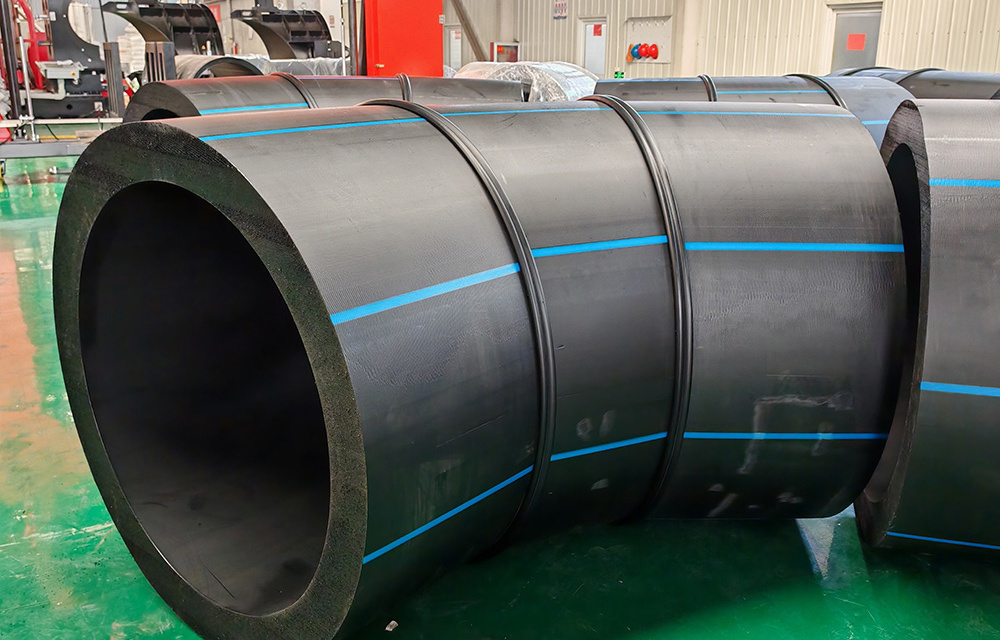
PE4710 pipes can be joined using various methods, including butt fusion, socket fusion, or electrofusion. Select the appropriate technique based on the project specifications and site conditions.
4. Backfilling
When backfilling, ensure that the material used does not contain sharp objects that could damage the pipe. Gradually fill the trench and compact the soil to avoid future settlement.
Maintenance and Care of PE4710 Pipes
To extend the life of your PE4710 pipes, regular maintenance and care are essential:
1. Inspection
Conduct routine inspections to identify any potential issues, such as leaks or signs of wear. Early detection can prevent costly repairs.
2. Cleaning
Maintain the interior of the pipes free from debris and blockages. Using proper techniques for cleaning will help maintain optimal flow rates.
3. Repair
If any damage is detected, it should be addressed immediately. Depending on the severity, repairs can be made through fusion techniques or by replacing sections of the pipe.
Frequently Asked Questions
1. What is the difference between PE4710 and other polyethylene pipes?
PE4710 has a higher pressure rating than other polyethylene pipes, making it suitable for more demanding applications.
2. Can PE4710 pipes be used for drinking water?
Yes, PE4710 pipes meet health and safety standards for potable water applications.
3. How do I determine the right size for my PE4710 piping system?
Consider your flow requirements, pressure ratings, and the specifications provided by the manufacturer to determine the appropriate size.
4. What installation methods are recommended for PE4710 pipes?
Common methods include butt fusion, socket fusion, and electrofusion, depending on the application and joint requirements.
5. How often should PE4710 pipes be inspected?
Regular inspections every 6 to 12 months are recommended, but more frequent checks may be necessary based on environmental conditions.
Conclusion
In conclusion, choosing the right specifications for PE4710 pipes involves a thorough understanding of the material properties, applications, and environmental conditions. By carefully considering these factors and adhering to proper installation and maintenance practices, you can ensure that your piping systems function effectively and efficiently. This comprehensive guide provides you with the essential knowledge to make informed decisions in your piping projects, helping you optimize performance and longevity.

Customer Service Hotline
Sales Department Email
Website (Web)
Customer Service Email
Business Cooperation Email
Address
No.32 Donghai Road, Cangzhou Development Zone, Hebei Province, China
Company Address
No. 32 Donghai Road, Cangzhou Development Zone, Hebei Province, China