


30
2026
-
03
Understanding HDPE Pipes for Efficient Landfill Leachate Management
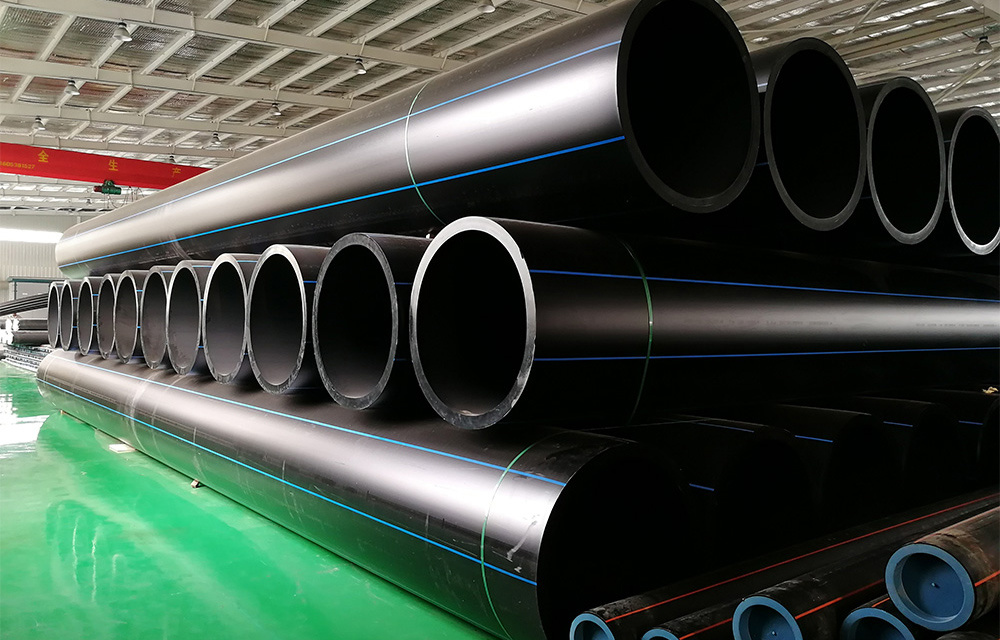
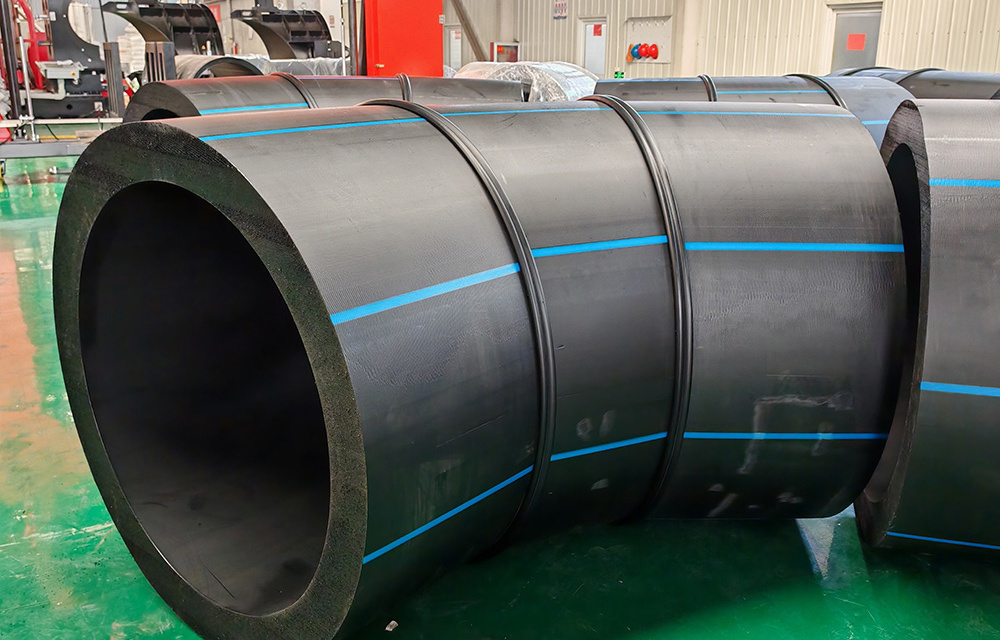
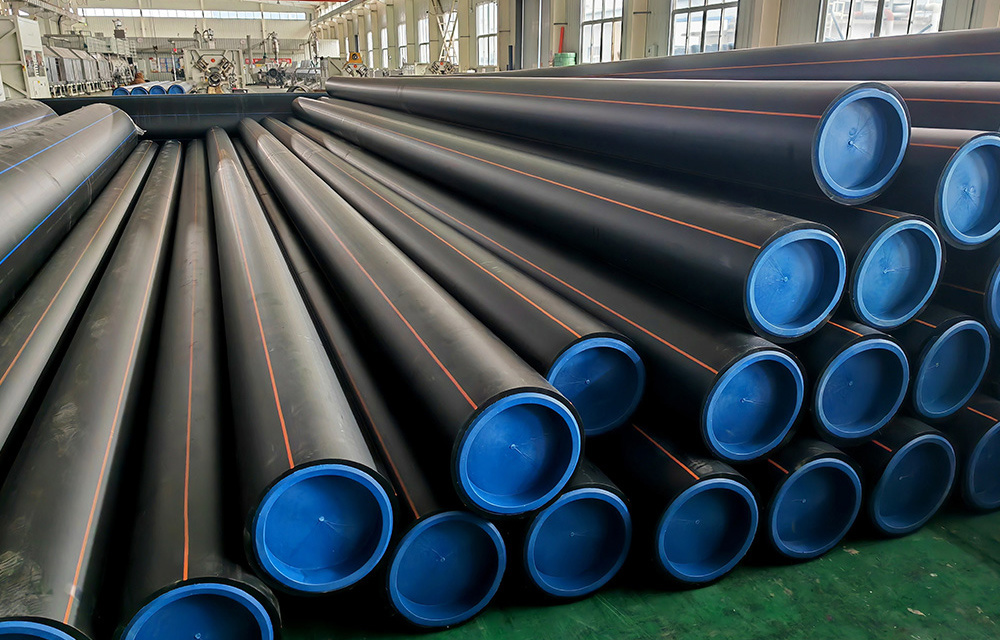
High-density polyethylene (HDPE) pipes are increasingly recognized as a vital component in the management of landfill leachate, a byproduct of waste decomposition that can pose significant environmental challenges. Understanding the properties and advantages of HDPE pipes is essential for professionals involved in industrial equipment and components, particularly in the context of waste management
One of the key features of HDPE pipes is their excellent chemical resistance. These pipes can withstand aggressive leachate compositions, which often contain heavy metals, organic compounds, and other hazardous materials. The ability to resist corrosion and degradation over time makes HDPE pipes particularly suited for leachate collection systems, ensuring long-lasting performance without the risk of failures that could lead to environmental contamination.
Another significant benefit of HDPE pipes is their flexibility. Unlike traditional materials such as PVC or concrete, HDPE can accommodate ground movements and settling, reducing the likelihood of cracks or leaks. This flexibility is crucial in landfill applications where the ground may shift due to the weight of waste or changes in temperature. Moreover, HDPE pipes can be easily installed in various configurations, allowing for tailored solutions in managing leachate flow and collection.
The lightweight nature of HDPE also contributes to cost-effective installation and handling. Installation requires less manpower and equipment, simplifying logistics on-site. Additionally, the long-term durability of HDPE pipes leads to lower maintenance costs and extended service life, making them an economically viable choice for landfill operators.
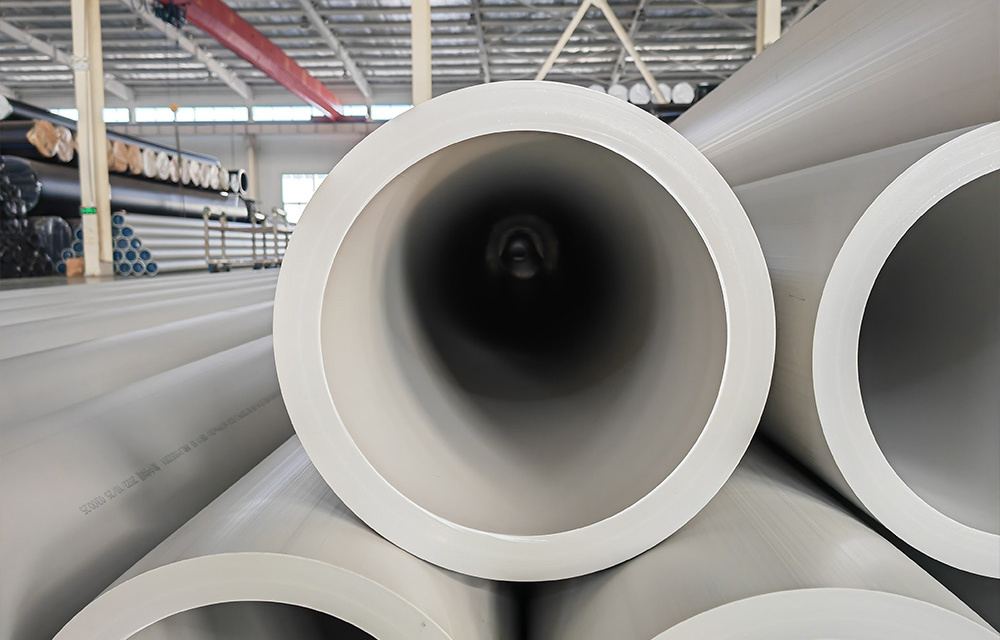
Furthermore, HDPE pipes can be integrated into various leachate management systems, including gravity flow and pumped systems. Their smooth interior surfaces minimize friction loss, enhancing the efficiency of leachate transport. Moreover, the use of HDPE pipes is aligned with sustainable practices, as they can be recycled and repurposed at the end of their lifecycle, contributing to a circular economy in waste management.
In conclusion, HDPE pipes are a superior option for managing landfill leachate due to their robust chemical resistance, flexibility, and cost-effective installation. As landfill management becomes increasingly critical in addressing environmental issues, the adoption of HDPE technology can play a pivotal role in achieving effective leachate control and sustainable waste management practices. For professionals in the pipeline industry, understanding these properties and benefits of HDPE pipes is essential for making informed decisions in landfill engineering and waste management solutions.

Customer Service Hotline
Sales Department Email
Website (Web)
Customer Service Email
Business Cooperation Email
Address
No.32 Donghai Road, Cangzhou Development Zone, Hebei Province, China
Company Address
No. 32 Donghai Road, Cangzhou Development Zone, Hebei Province, China