


29
2026
-
03
Comparing HDPE Pipe with Traditional Materials for Geothermal Applications
Comparing HDPE Pipe with Traditional Materials for Geothermal Applications Geothermal energy is rapidly emerging as a sustainable solution to our energy needs. As various materials are evaluated for use in geothermal systems, the choice between **High-Density Polyethylene (HDPE) pipes** and traditional materials such as **PVC, steel, and copper** becomes crucial. In this article, we will conduct a
Comparing HDPE Pipe with Traditional Materials for Geothermal Applications
Geothermal energy is rapidly emerging as a sustainable solution to our energy needs. As various materials are evaluated for use in geothermal systems, the choice between **High-Density Polyethylene (HDPE) pipes** and traditional materials such as **PVC, steel, and copper** becomes crucial. In this article, we will conduct a thorough comparison, analyzing the performance, durability, costs, and environmental impact of HDPE pipes as opposed to traditional materials in geothermal applications.
Table of Contents
- 1. Introduction to Geothermal Applications
- 2. Overview of HDPE Pipes
- 3. Traditional Materials in Geothermal Systems
- 4. Comparing HDPE Pipes with Traditional Materials
- 4.1 Durability and Longevity
- 4.2 Cost Efficiency
- 4.3 Installation and Maintenance
- 4.4 Thermal Conductivity
- 4.5 Environmental Impact
- 5. Case Studies and Real-World Applications
- 6. Frequently Asked Questions
- 7. Conclusion
1. Introduction to Geothermal Applications
Geothermal energy harnesses the Earth's internal heat, providing a clean, renewable energy source. As the demand for sustainable energy solutions grows, geothermal systems have gained traction, especially for heating and cooling buildings. The efficiency and effectiveness of these systems largely depend on the materials used in their construction. Choosing the right piping material is essential for ensuring optimal performance over the lifespan of the geothermal system.
2. Overview of HDPE Pipes
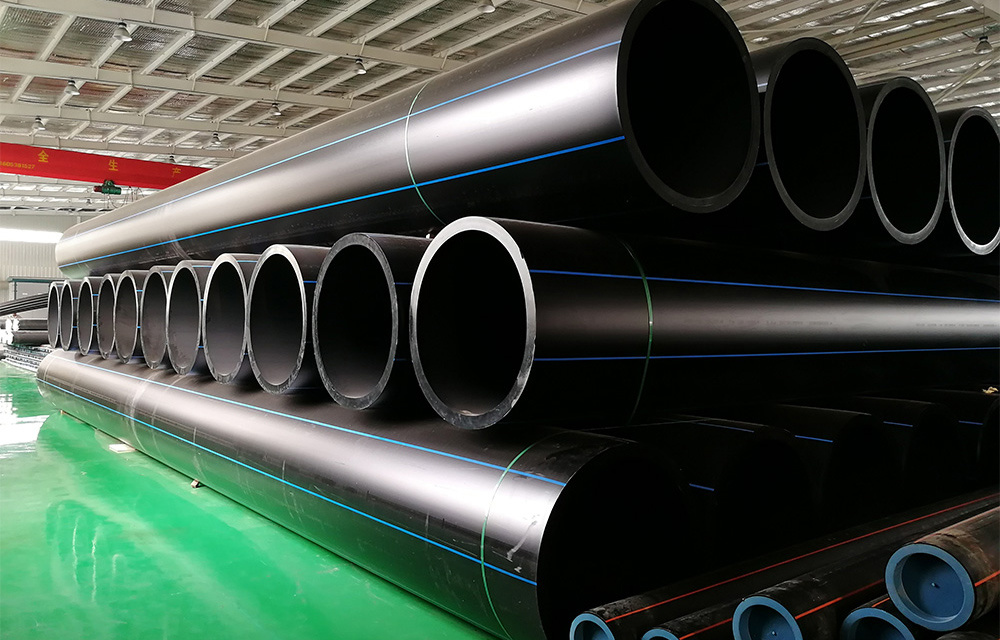
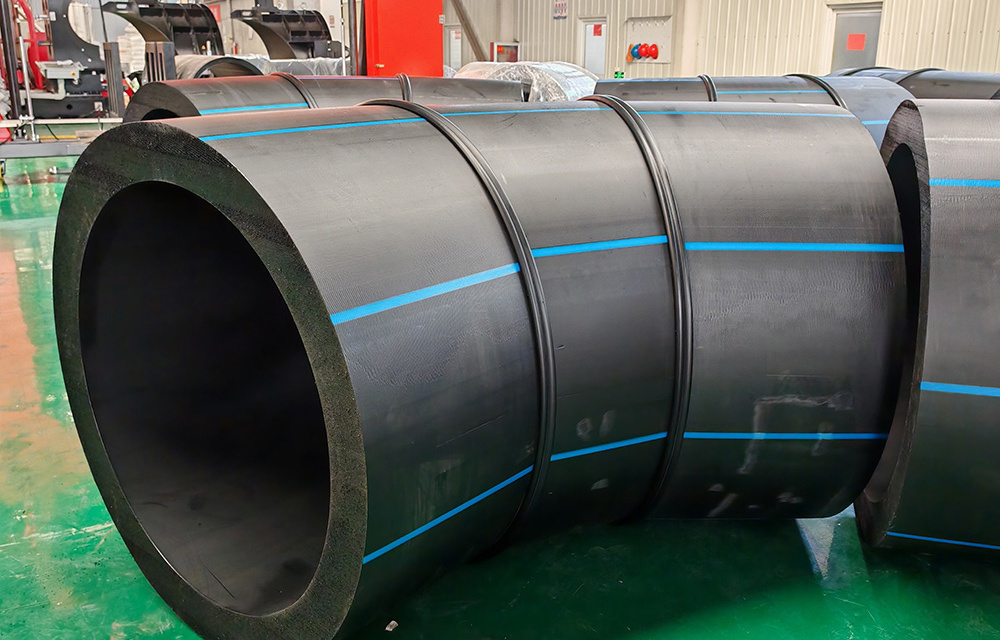
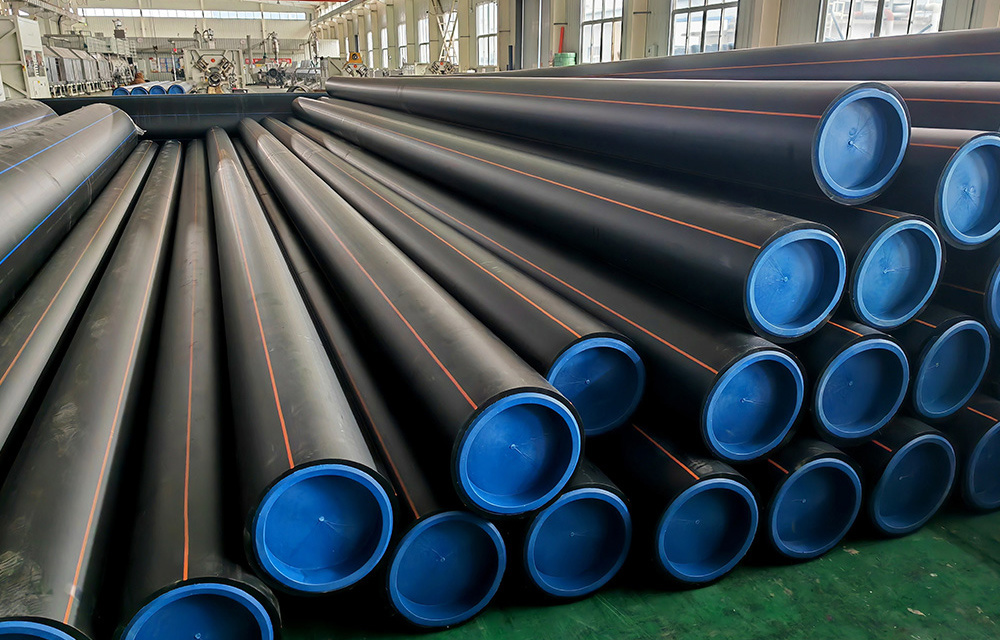
**High-Density Polyethylene (HDPE)** is a thermoplastic polymer known for its strength-to-density ratio. It is commonly used in various applications due to its flexibility, durability, and resistance to corrosion. HDPE pipes are manufactured using a process that allows them to exhibit exceptional performance characteristics, making them suitable for geothermal applications.
- **Chemical Resistance**: HDPE pipes are resistant to a wide range of chemicals, which is crucial in geothermal applications where various fluids may be circulating through the system.
- **Flexibility**: The flexibility of HDPE allows it to adapt to the terrain and conditions of the installation site, reducing the need for additional fittings and connectors.
- **Longevity**: The expected lifespan of HDPE pipes can exceed fifty years, making them a reliable choice for long-term geothermal applications.
3. Traditional Materials in Geothermal Systems
Traditional materials used in geothermal systems include **PVC (Polyvinyl Chloride), steel, and copper**. Each of these materials has its own set of advantages and disadvantages:
- **PVC**: Lightweight and resistant to corrosion, PVC is a common choice for geothermal systems. However, it has limitations in terms of temperature resistance and may become brittle over time.
- **Steel**: Steel pipes are strong and durable but are prone to rust and corrosion, especially in geothermal applications where moisture is prevalent.
- **Copper**: Known for its excellent thermal conductivity, copper is often used in geothermal applications. However, it is more expensive and can be susceptible to corrosion over time.
4. Comparing HDPE Pipes with Traditional Materials
A detailed comparison between HDPE pipes and traditional materials for geothermal applications will help in making an informed decision.
4.1 Durability and Longevity
When assessing durability, HDPE pipes outperform traditional materials. Their resistance to corrosion and ability to withstand harsh environmental conditions contribute to a longer lifespan. Conversely, traditional materials such as steel are subject to corrosion over time, reducing their effectiveness and requiring more frequent replacements.
4.2 Cost Efficiency
In terms of initial installation costs, HDPE pipes can be more affordable than metal options. Additionally, their longevity and low maintenance requirements translate to significant long-term savings. Traditional materials often incur higher maintenance and replacement costs, especially in corrosive environments.
4.3 Installation and Maintenance
The installation of HDPE pipes is generally simpler and more efficient due to their lightweight and flexible nature. This flexibility reduces the need for extensive trenching and supports, leading to lower labor costs. Traditional materials, on the other hand, may require more complex installations, increasing both time and labor costs.
4.4 Thermal Conductivity
While HDPE pipes have less thermal conductivity compared to metals like copper, they still perform adequately for geothermal applications. The thermal insulation properties of HDPE can actually help minimize heat loss, maintaining the efficiency of geothermal systems. In contrast, while copper has superior thermal conductivity, its cost and susceptibility to corrosion may outweigh its benefits.
4.5 Environmental Impact
HDPE pipes are made from recyclable materials and can be recycled at the end of their lifecycle, making them an environmentally friendly option. Traditional materials like copper and steel often require more energy to produce and are less sustainable in the long run. Additionally, the longevity of HDPE contributes to reduced waste, aligning with sustainable practices in geothermal applications.
5. Case Studies and Real-World Applications
Several case studies highlight the successful application of HDPE pipes in geothermal systems. For instance, a large-scale geothermal heating project in Europe opted for HDPE due to its cost-effectiveness and durability. The project demonstrated significant energy savings and reduced maintenance costs over its operational life. Similarly, a commercial building in North America used HDPE pipes for its geothermal heating system, resulting in lower installation costs and enhanced system performance.
6. Frequently Asked Questions
What are the advantages of HDPE pipes for geothermal applications?
HDPE pipes offer numerous advantages, including resistance to corrosion, flexibility, durability, and cost-effectiveness over traditional materials.
Can HDPE pipes be recycled?
Yes, HDPE pipes are made from recyclable materials, making them an environmentally friendly option for geothermal projects.
How do installation costs compare between HDPE and traditional piping materials?
Installation costs for HDPE pipes are generally lower due to their lightweight nature and ease of installation, compared to traditional materials.
What is the expected lifespan of HDPE pipes in geothermal applications?
HDPE pipes can last over fifty years in geothermal applications, providing a long-term solution with minimal maintenance requirements.
Are there any disadvantages to using HDPE pipes?
While HDPE pipes have many benefits, they have lower thermal conductivity compared to metals like copper. However, their insulation properties can often mitigate this issue.
7. Conclusion
In summary, the choice between **HDPE pipes** and traditional materials for geothermal applications is pivotal. While traditional materials such as PVC, steel, and copper have their advantages, HDPE pipes consistently outperform them in terms of durability, cost-efficiency, and environmental impact. Their longevity, flexibility, and resistance to corrosion make them an ideal choice for modern geothermal systems. As the demand for sustainable energy solutions continues to grow, HDPE pipes are poised to play a significant role in the future of geothermal energy applications.

Customer Service Hotline
Sales Department Email
Website (Web)
Customer Service Email
Business Cooperation Email
Address
No.32 Donghai Road, Cangzhou Development Zone, Hebei Province, China
Company Address
No. 32 Donghai Road, Cangzhou Development Zone, Hebei Province, China