


31
2026
-
03
Cost-Effective Pipe Jacking with HDPE Pipe Technology: Revolutionizing Underground Construction
Cost-Effective Pipe Jacking with HDPE Pipe Technology: Revolutionizing Underground Construction In the realm of underground construction, the choice of materials and methods significantly impacts the project’s cost, efficiency, and sustainability. **High-Density Polyethylene (HDPE) pipe technology** has emerged as a game-changer in this sector, particularly in the method known as **pipe jacking**.
Cost-Effective Pipe Jacking with HDPE Pipe Technology: Revolutionizing Underground Construction
In the realm of underground construction, the choice of materials and methods significantly impacts the project’s cost, efficiency, and sustainability. **High-Density Polyethylene (HDPE) pipe technology** has emerged as a game-changer in this sector, particularly in the method known as **pipe jacking**. This article delves into the **cost-effective advantages of pipe jacking with HDPE**, exploring its benefits, applications, and the technology that makes it possible. Whether you're a project manager, engineer, or decision-maker in the construction industry, understanding this technology can help optimize your projects and budgets.
Table of Contents
- 1. Introduction to Pipe Jacking and HDPE Technology
- 2. What is Pipe Jacking?
- 3. Advantages of Using HDPE Pipes in Pipe Jacking
- 4. Cost-Effectiveness of HDPE Pipe Jacking
- 5. Applications of HDPE Pipe Jacking Technology
- 6. Environmental Impact of HDPE Pipe Technology
- 7. Case Studies: Successful Implementations of HDPE Pipe Jacking
- 8. The Future of HDPE Pipe Jacking Technology
- 9. Conclusion
- 10. Frequently Asked Questions
1. Introduction to Pipe Jacking and HDPE Technology
As urban areas expand, the demand for efficient underground utilities has surged. **Pipe jacking** is an innovative trenchless construction method that allows for the installation of pipelines without the need for extensive surface excavation. This technique minimizes disruption to the surrounding environment and is particularly useful in urban settings where space is limited.
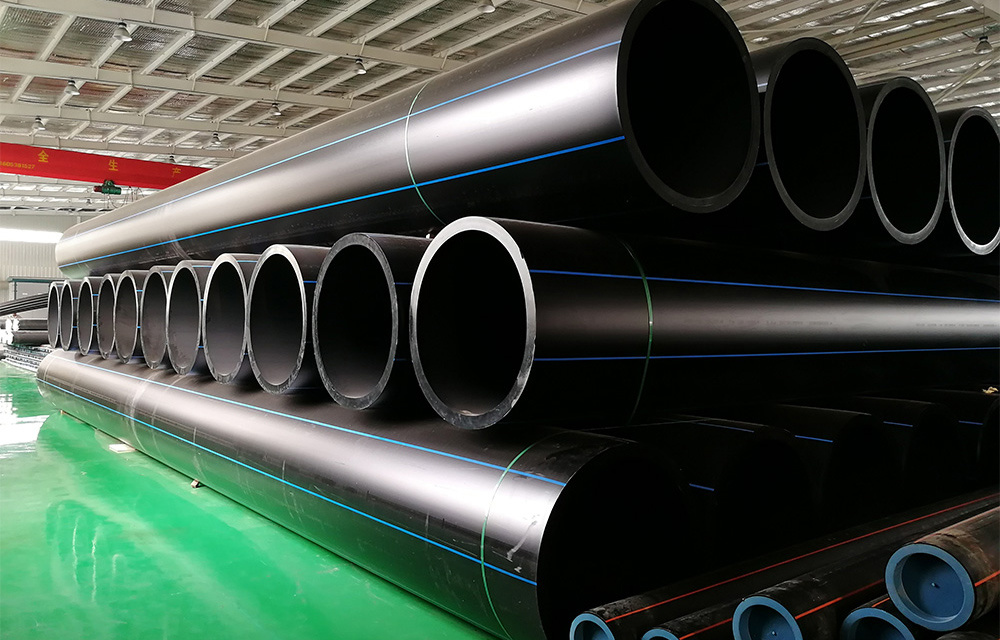
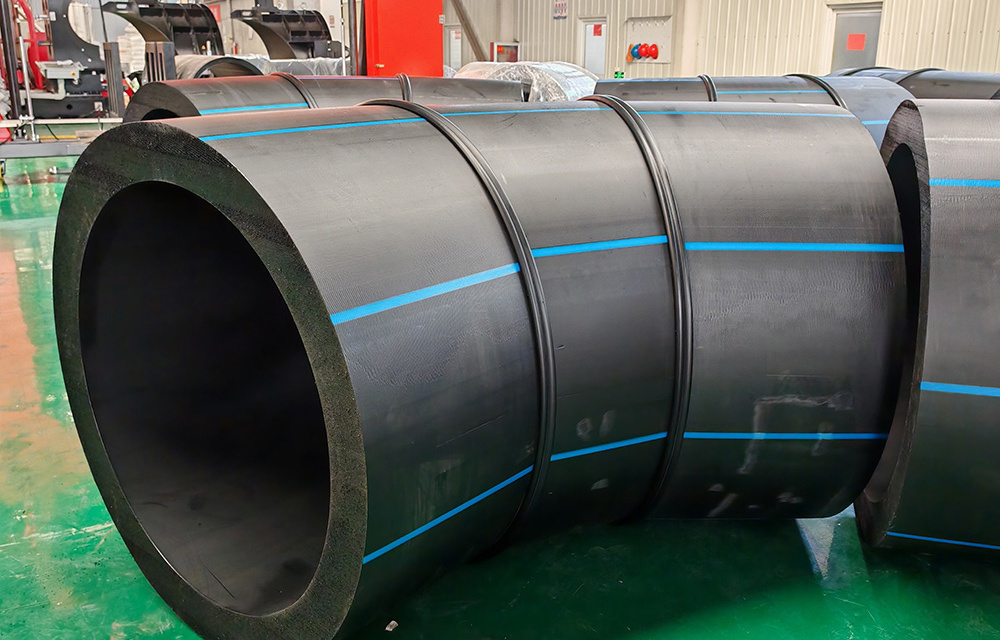
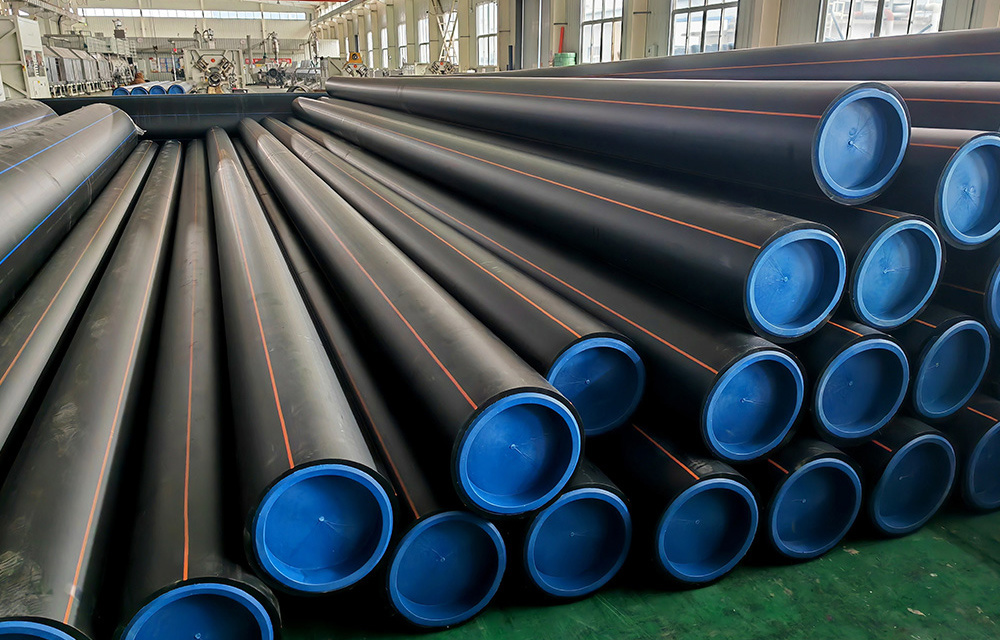
In this context, **HDPE technology** offers a versatile and durable solution. **High-Density Polyethylene (HDPE)** is a thermoplastic polymer known for its strength, flexibility, and resistance to corrosion and chemical damage. This combination of properties makes it ideal for use in underground installations, where environmental factors can pose significant challenges.
2. What is Pipe Jacking?
Pipe jacking is a trenchless method used to install pipelines beneath the ground. It involves the use of a jacking machine, which pushes the pipe through the ground while simultaneously advancing it. This process effectively eliminates the need for open-cut excavation, significantly reducing the surface disruption caused by traditional methods.
During pipe jacking, the following key steps are typically involved:
- Preparation: The site is prepared, and the entry and exit pits are excavated.
- Pipe Installation: The HDPE pipes are fitted with a cutting head at the front, guiding the installation process.
- Jacking Process: The jacking machine pushes the pipe into the ground, and soil is removed from the pipe's path.
- Completion: Once the pipe reaches its intended location, it is connected to the existing utility system.
3. Advantages of Using HDPE Pipes in Pipe Jacking
The use of HDPE pipes in the pipe jacking process offers numerous advantages, making it a preferred choice for many construction projects:
3.1 Durability and Longevity
HDPE pipes are resistant to corrosion, abrasion, and various chemicals. This durability ensures a long lifespan, reducing the need for costly repairs or replacements in the future.
3.2 Flexibility and Lightweight
HDPE's lightweight nature makes it easy to handle and transport. Additionally, its flexibility allows it to bend and adapt to ground movements, reducing the risk of damage during installation.
3.3 Cost-Efficiency
HDPE pipe jacking minimizes the need for heavy machinery and extensive excavation, leading to significant cost savings. The reduced labor and equipment costs contribute to the overall affordability of projects using this technology.
3.4 Resistance to Leakage
HDPE pipes can be fused together to create a seamless structure, minimizing the risk of leaks. This characteristic is crucial for maintaining the integrity of utilities such as water supply and sewage systems.
4. Cost-Effectiveness of HDPE Pipe Jacking
When considering the cost-effectiveness of pipe jacking with HDPE technology, several factors come into play:
4.1 Reduced Labor Costs
Since pipe jacking is a trenchless method, it requires fewer workers on-site compared to traditional excavation methods. This reduction in labor leads to lower overall project costs.
4.2 Shorter Project Timelines
The efficiency of HDPE pipe jacking allows for quicker project completion. Fewer disruptions and expedited installation processes translate to reduced costs associated with project delays.
4.3 Minimization of Surface Restoration Costs
Because the surface remains largely undisturbed during pipe jacking, costs associated with surface restoration and landscaping are minimized. This aspect is particularly beneficial in urban areas where aesthetic and functional restoration can be costly.
5. Applications of HDPE Pipe Jacking Technology
HDPE pipe jacking technology is versatile and can be applied across various sectors:
5.1 Water Supply Systems
HDPE pipes are widely used in water supply systems due to their resistance to corrosion and ability to handle high-pressure environments.
5.2 Sewage Systems
The seamless nature of HDPE pipes makes them ideal for sewage and wastewater applications, helping to prevent leaks and contamination.
5.3 Telecommunications Infrastructure
As cities become more reliant on technology, HDPE pipe jacking is used for installing conduits for fiber optics and other telecommunications systems.
5.4 Industrial Applications
Industries requiring the transportation of chemicals or other hazardous materials often choose HDPE pipe jacking for its chemical resistance and durability.
6. Environmental Impact of HDPE Pipe Technology
HDPE pipe jacking not only offers economic benefits but also contributes positively to environmental sustainability:
6.1 Reduced Land Disturbance
The trenchless nature of pipe jacking minimizes land disturbance, preserving natural habitats and reducing soil erosion.
6.2 Lower Carbon Footprint
By reducing the amount of heavy machinery needed and minimizing transportation requirements, HDPE pipe jacking lowers the overall carbon footprint of construction projects.
6.3 Recycling and Sustainability
HDPE is recyclable, making it a sustainable choice for environmentally conscious projects. Many municipalities are adopting HDPE systems as part of their green initiatives.
7. Case Studies: Successful Implementations of HDPE Pipe Jacking
Numerous projects have successfully implemented HDPE pipe jacking, showcasing its efficiency and cost-effectiveness:
7.1 Urban Water Supply Project
A major metropolitan city successfully utilized HDPE pipe jacking to upgrade its aging water supply infrastructure. The project not only reduced installation costs by 30% but also completed ahead of schedule, minimizing disruptions to the community.
7.2 Telecommunications Expansion
In a rural area, a telecommunications company adopted HDPE pipe jacking for expanding its network. The technique allowed for the installation of conduits without disrupting local businesses and residences, providing a seamless upgrade to the community.
8. The Future of HDPE Pipe Jacking Technology
As technology evolves, so too does the potential for HDPE pipe jacking. Innovations in machinery and materials will likely enhance the efficiency and application of this method. Future trends may include:
8.1 Advanced Robotics
Robotics may play a significant role in automating and improving the precision of pipe jacking operations, further reducing labor costs and increasing safety.
8.2 Enhanced Materials
Research into improving HDPE materials, such as increasing their durability and resistance to extreme conditions, could expand their application range.
8.3 Smart Infrastructure
The integration of smart technology with HDPE pipe systems can lead to improved monitoring and management of utilities, enhancing efficiency and reliability.
9. Conclusion
In conclusion, **cost-effective pipe jacking with HDPE pipe technology** presents a modern solution to the challenges faced in underground construction. By leveraging the durability, flexibility, and environmental sustainability of HDPE, project managers and engineers can deliver high-quality infrastructure with reduced costs and minimal disruption. As technology continues to evolve, the future of HDPE pipe jacking looks promising, paving the way for smarter, more efficient urban development.
10. Frequently Asked Questions
10.1 What is the lifespan of HDPE pipes?
HDPE pipes can last over 50 years, significantly reducing maintenance and replacement costs.
10.2 Is HDPE pipe jacking suitable for all soil types?
Yes, HDPE pipe jacking can be performed in various soil conditions, making it a versatile option for many projects.
10.3 How does HDPE pipe jacking compare to traditional methods?
HDPE pipe jacking is generally faster, cost-effective, and environmentally friendly compared to traditional excavation methods.
10.4 Can HDPE pipes be used for high-pressure applications?
Absolutely! HDPE pipes are designed to handle high-pressure environments, making them suitable for water and gas supply systems.
10.5 What are the environmental benefits of using HDPE pipes?
HDPE pipes reduce land disturbance, have a lower carbon footprint, and are recyclable, contributing to environmental sustainability.

Customer Service Hotline
Sales Department Email
Website (Web)
Customer Service Email
Business Cooperation Email
Address
No.32 Donghai Road, Cangzhou Development Zone, Hebei Province, China
Company Address
No. 32 Donghai Road, Cangzhou Development Zone, Hebei Province, China