


28
2026
-
03
Understanding PE4710 Pipes: Key Characteristics and Applications in Metallurgy and Energy Industries
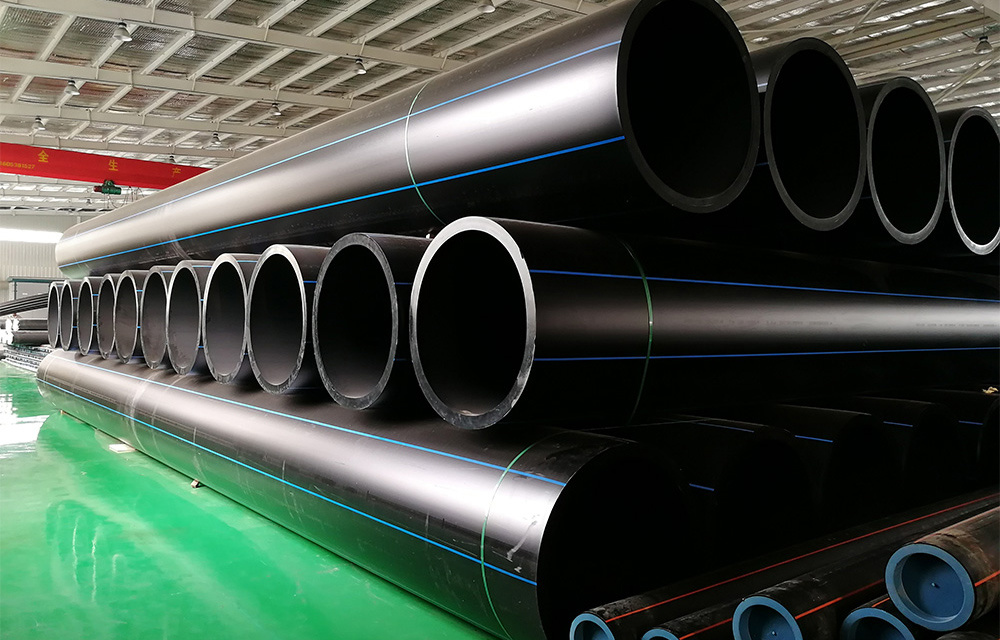
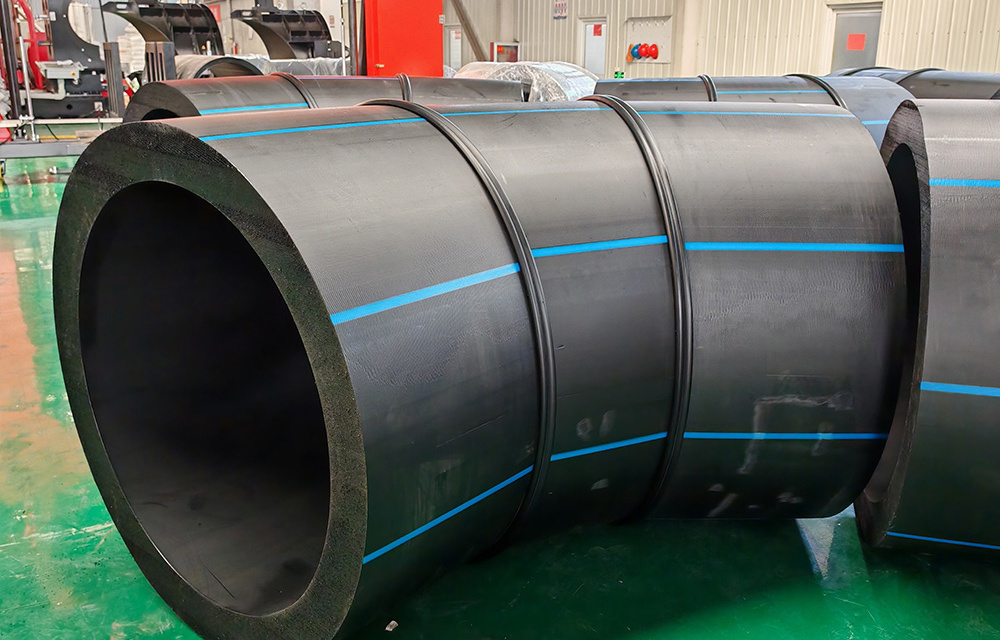
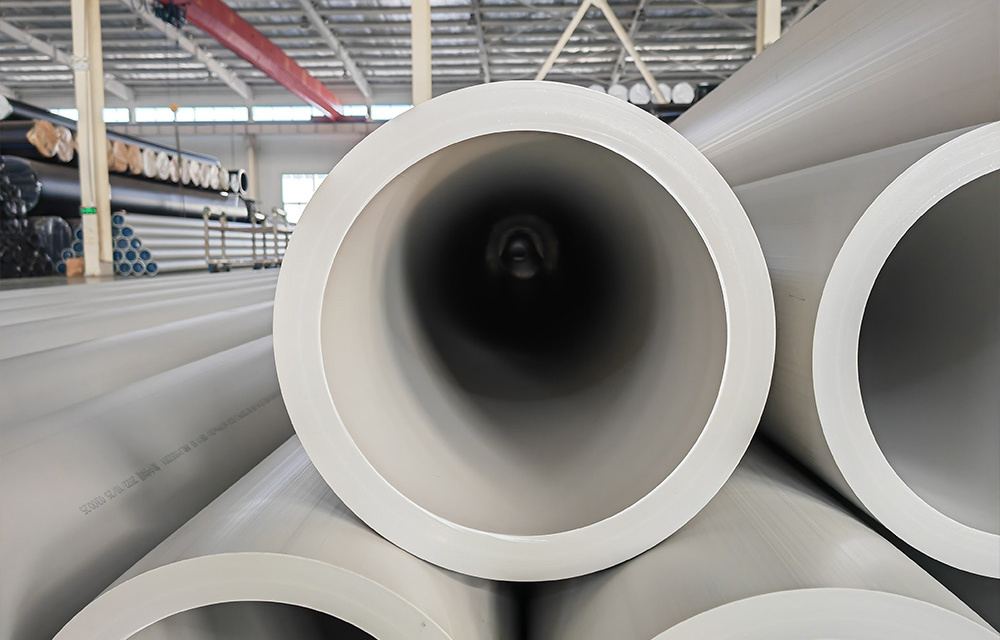
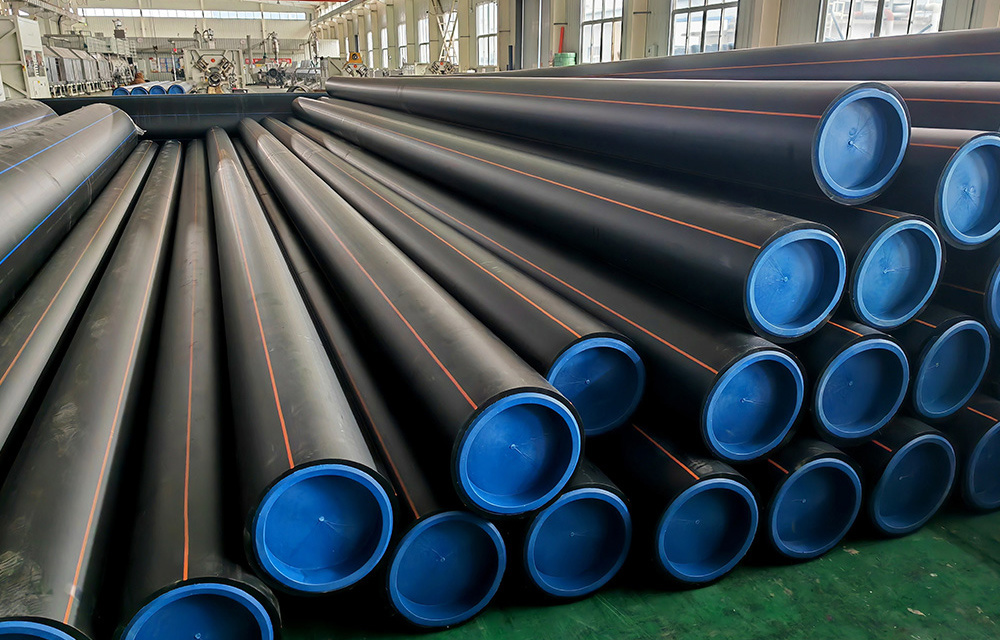
PE4710 pipes are distinguished polyethylene pipes that cater to specialized applications within the metallurgy, mining, and energy industries. As a type of high-density polyethylene (HDPE), PE4710 is known for its superior strength, durability, and resistance to environmental stressors. This makes it particularly suitable for transporting various materials, including water, gas, and other fluids u
One of the primary characteristics of PE4710 pipes is their high resistance to slow crack growth and rapid crack propagation. This property is crucial when handling aggressive fluids or operating in challenging environmental conditions. The material meets stringent industry standards, making it a reliable choice for applications requiring long-term performance and safety.
In addition to its mechanical properties, PE4710 pipes exhibit excellent chemical resistance, allowing them to withstand a wide range of chemicals without degrading. This attribute is especially beneficial in the metallurgy and energy sectors, where exposure to corrosive substances is common. Furthermore, the lightweight nature of PE4710 pipes simplifies installation and reduces transportation costs, enhancing overall project efficiency.
The flexibility of PE4710 pipes also allows for easier handling and installation, especially in complex piping layouts. This flexibility can help reduce the need for fittings, thereby lowering the overall material cost and installation time. Moreover, the smooth interior surface of PE4710 pipes minimizes friction loss, contributing to efficient fluid transport.
When considering PE4710 pipes for your projects, it is essential to understand the material's temperature and pressure ratings. Typically, these pipes are suitable for temperatures ranging from -40°C to 60°C and can handle various pressure ratings, depending on the specific application requirements. Consulting with a qualified engineer or specialist can help ensure that the selected pipe meets the operational demands of your system.
In summary, PE4710 pipes offer a blend of strength, flexibility, and chemical resistance, making them an ideal choice for applications in metallurgy and energy. Whether you are involved in mining, oil and gas transport, or other industrial applications, understanding the benefits and specifications of PE4710 pipes can lead to more informed decisions and enhanced operational efficiency. As always, it is advisable to work with experts in the field to ensure that you choose the right materials for your specific needs.

Customer Service Hotline
Sales Department Email
Website (Web)
Customer Service Email
Business Cooperation Email
Address
No.32 Donghai Road, Cangzhou Development Zone, Hebei Province, China
Company Address
No. 32 Donghai Road, Cangzhou Development Zone, Hebei Province, China