


27
2026
-
03
Understanding the Different Types of PPH Hot Melt Pipe Fittings: A Comprehensive Guide
Understanding the Different Types of PPH Hot Melt Pipe Fittings Table of Contents Introduction to PPH Hot Melt Pipe Fittings What is PPH? Benefits of PPH Material Types of PPH Hot Melt Pipe Fittings Elbows Tees Couplings Reducers Caps Applications of PPH Hot Melt Pipe Fittings Installation Guide fo
Understanding the Different Types of PPH Hot Melt Pipe Fittings
Table of Contents
- Introduction to PPH Hot Melt Pipe Fittings
- What is PPH?
- Types of PPH Hot Melt Pipe Fittings
- Applications of PPH Hot Melt Pipe Fittings
- Installation Guide for PPH Hot Melt Pipe Fittings
- Maintenance Tips for Longevity
- Frequently Asked Questions
- Conclusion
Introduction to PPH Hot Melt Pipe Fittings
In the ever-evolving world of construction and plumbing, choosing the right materials is crucial for ensuring the longevity and efficiency of systems. One material that has gained significant attention is PPH (Polypropylene Homopolymer), particularly in the context of **hot melt pipe fittings**. Understanding the various types of PPH hot melt fittings can simplify your projects, enhance installation efficiency, and improve overall system performance.
What is PPH?
PPH, or Polypropylene Homopolymer, is a thermoplastic material known for its exceptional chemical resistance, high-temperature tolerance, and lightweight properties. It is widely utilized across various industries, including plumbing, construction, and chemical processing.
Benefits of PPH Material
PPH offers numerous advantages that make it a preferred choice for pipe fittings:
- **Chemical Resistance**: PPH is highly resistant to a wide range of chemicals, making it ideal for various applications.
- **High Temperature Resistance**: Withstanding temperatures up to 95°C, PPH is suitable for hot water applications.
- **Durability**: Its robust nature ensures that PPH fittings have a long service life.
- **Lightweight**: This feature facilitates easier handling and installation.
- **Cost-Effective**: PPH fittings are typically more affordable compared to other materials like PVC or metal.
Types of PPH Hot Melt Pipe Fittings
PPH hot melt pipe fittings come in various forms, each serving a specific function within a plumbing system. Understanding these types is essential for selecting the right fittings for your projects.
Elbows
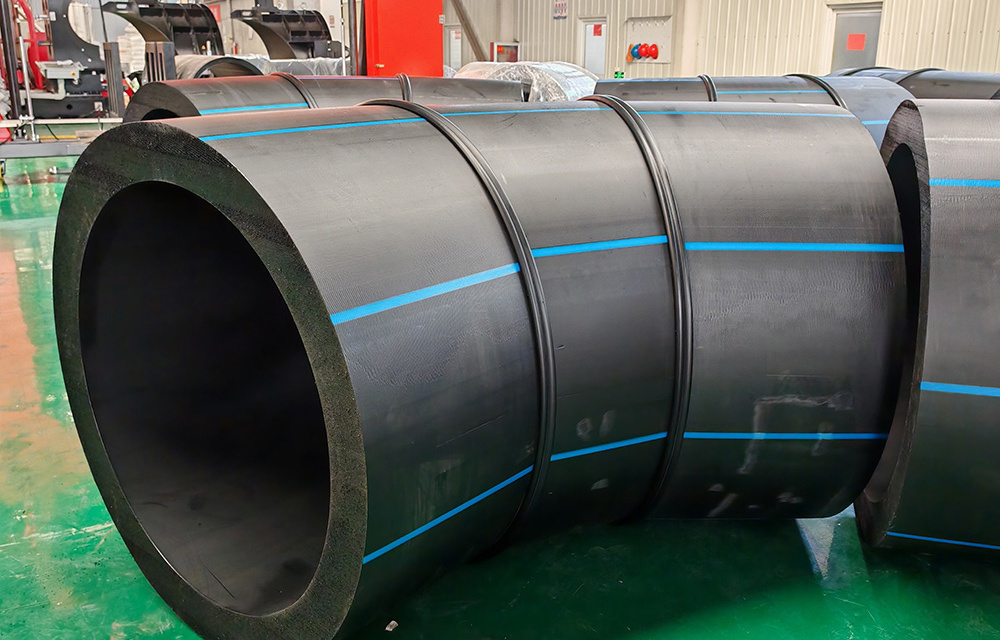
Elbows are essential fittings used to change the direction of pipe runs. They come in different angles, typically at 45° or 90°. These fittings allow for flexibility in pipe layouts, making them indispensable in various plumbing setups.
Tees
Tees are fittings that allow for the branching of pipes. They come in two types: straight tees and reducing tees. Straight tees connect pipes of the same diameter, while reducing tees allow for a change in pipe diameter, facilitating transitions between different sized pipes.
Couplings
Couplings are straightforward fittings used to connect two pipes together. They are available in various sizes and are crucial for extending or repairing existing pipe lines.
Reducers
Reducers are fittings that enable the connection of pipes with different diameters. They come in conical shapes and are essential for managing flow rates in a plumbing system, ensuring smooth transitions without causing turbulence.
Caps
Caps are used to seal the end of a pipe, preventing the passage of fluids. They ensure that pipe systems remain leak-proof and are used in both temporary and permanent applications.
Applications of PPH Hot Melt Pipe Fittings
The versatility of PPH hot melt pipe fittings makes them suitable for a wide range of applications:
- **Water Supply Systems**: PPH fittings are excellent for domestic and commercial water supply systems due to their resistance to corrosion.
- **Chemical Processing**: Their chemical resistance makes them ideal for transporting various chemicals safely.
- **Heating Systems**: PPH's high-temperature tolerance allows its use in hot water heating systems.
- **Waste Disposal**: PPH fittings can be used in waste disposal applications due to their durability and resistance to aggressive chemicals.
Installation Guide for PPH Hot Melt Pipe Fittings
Installing PPH hot melt pipe fittings requires careful attention to detail to ensure a leak-proof connection. Follow these steps for a successful installation:
1. **Preparation**: Ensure all surfaces are clean and free of debris.
2. **Cutting Pipes**: Use a proper pipe cutter to achieve a clean, straight cut. This will help ensure a tighter fit.
3. **Heating the Fittings**: Utilize a hot melt tool to heat the fitting and pipe ends until they reach the appropriate temperature.
4. **Joining the Pieces**: Quickly and carefully join the heated pipe and fitting, ensuring they are aligned correctly.
5. **Cooling**: Allow the joint to cool naturally. Avoid moving the connection during this time to prevent a weak bond.
Maintenance Tips for Longevity
To extend the lifespan of your PPH hot melt pipe fittings, consider these maintenance tips:
- **Regular Inspections**: Check pipe joints and fittings for any signs of wear or damage.
- **Temperature Monitoring**: Ensure that the system does not exceed the recommended temperature limits, as excessive heat can weaken the fittings.
- **Cleaning**: Periodically clean the pipe systems to prevent build-up of sediments that may cause blockages.
Frequently Asked Questions
1. What are the advantages of using PPH over other materials for pipe fittings?
PPH offers superior chemical resistance, lightweight properties, and high-temperature tolerance compared to materials like PVC and metal.
2. Can PPH fittings be used for hot water applications?
Yes, PPH fittings can withstand temperatures up to 95°C, making them suitable for hot water applications.
3. How do I know which type of fitting I need for my project?
Consider the specific requirements of your plumbing system, including the types of connections needed, the direction of pipe runs, and the sizes of pipes involved.
4. Are PPH fittings recyclable?
Yes, PPH is recyclable. Ensure to follow local regulations for proper disposal and recycling of PPH materials.
5. What are the common issues that can arise with PPH fittings?
Common issues include improper installation, which can lead to leaks, and exposure to temperatures exceeding the specified limits, which can weaken the fittings.
Conclusion
Understanding the different types of PPH hot melt pipe fittings is essential for anyone involved in plumbing and construction. With their numerous benefits, including chemical resistance and high-temperature tolerance, PPH fittings are a reliable choice for various applications. By selecting the appropriate fittings and following proper installation and maintenance practices, you can ensure the longevity and efficiency of your plumbing systems. Whether you are a seasoned professional or a DIY enthusiast, mastering the use of PPH hot melt pipe fittings will help you achieve successful plumbing projects.

Customer Service Hotline
Sales Department Email
Website (Web)
Customer Service Email
Business Cooperation Email
Address
No.32 Donghai Road, Cangzhou Development Zone, Hebei Province, China
Company Address
No. 32 Donghai Road, Cangzhou Development Zone, Hebei Province, China