


26
2026
-
03
Understanding the Role of HDPE Pipe in Pipe Jacking Applications
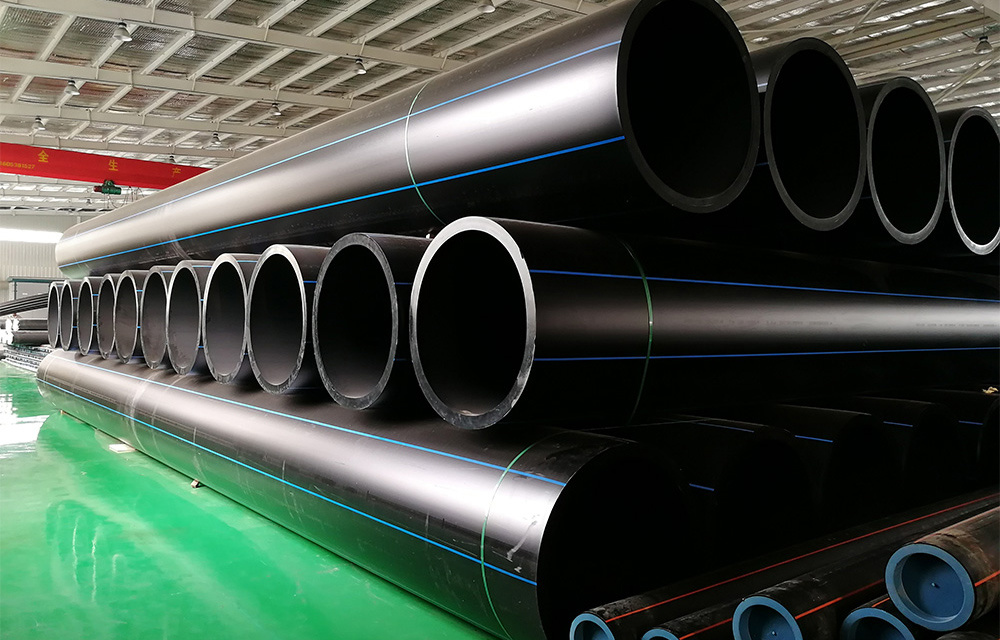
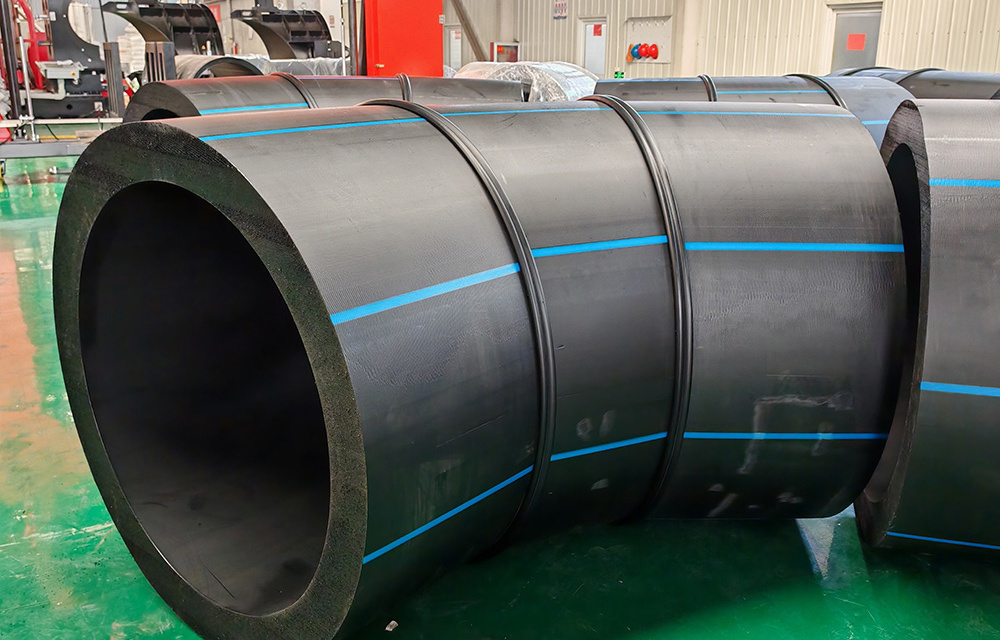
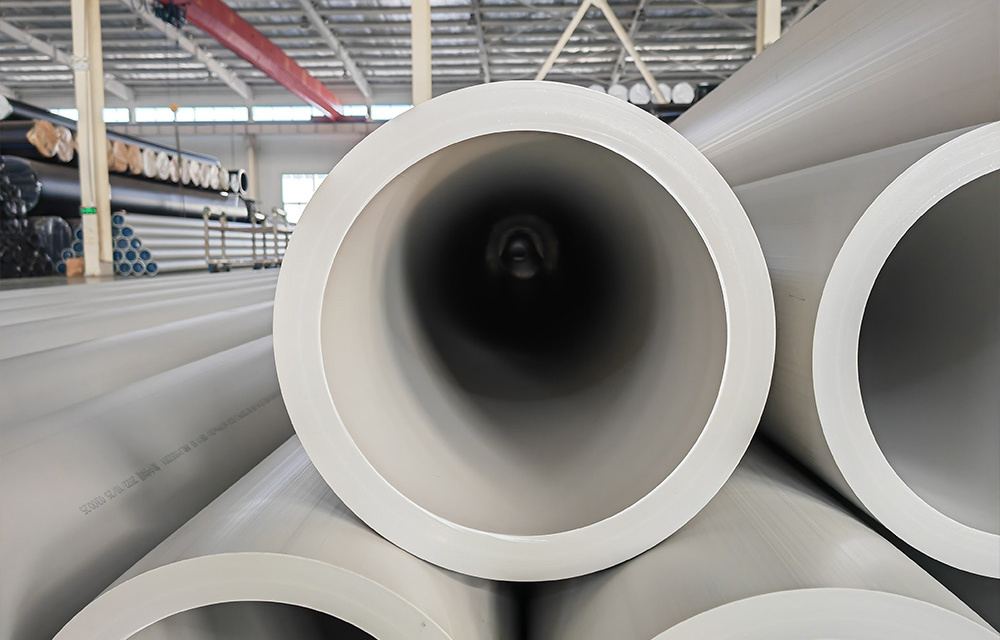
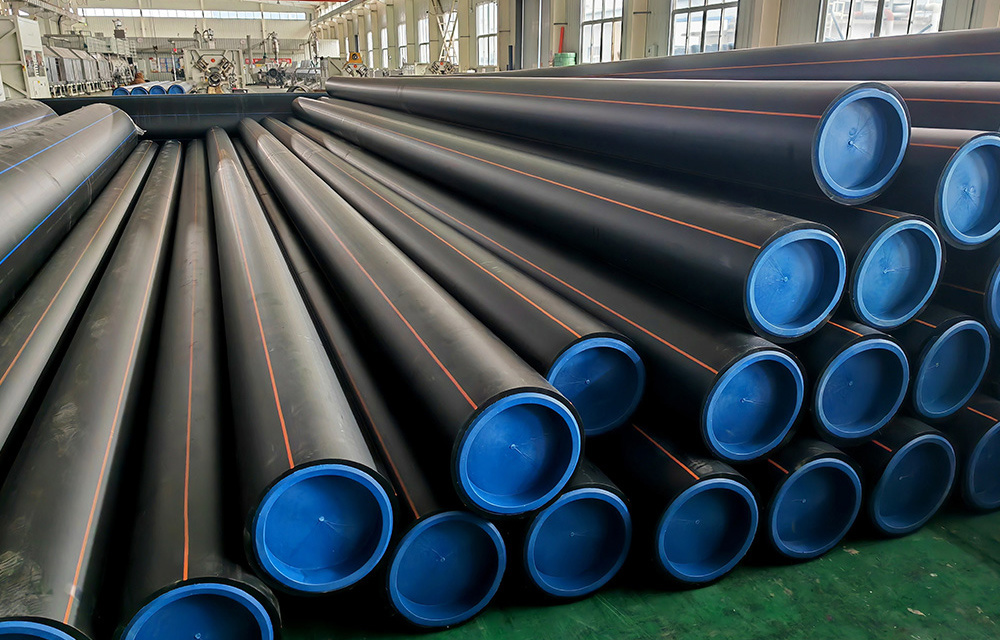
In recent years, High-Density Polyethylene (HDPE) pipes have gained prominence in the field of pipe jacking, an advanced trenchless construction technique. Pipe jacking is a method used to install pipelines underground without the need for extensive excavation, minimizing surface disruption and reducing environmental impact. This innovative approach is particularly beneficial in urban areas where
HDPE pipes are made from a thermoplastic material that offers several unique properties, making them an ideal choice for pipe jacking applications. One of the primary benefits of HDPE is its exceptional flexibility, which allows it to withstand the stresses encountered during the jacking process. This flexibility helps to prevent cracking or breaking, ensuring the integrity of the pipeline long after installation.
Another significant advantage of HDPE pipes is their resistance to corrosion and chemicals. Unlike traditional materials such as concrete or metal, HDPE does not corrode over time, which can lead to significant maintenance costs and operational disruptions. This property makes HDPE pipes particularly suitable for transporting a variety of fluids, including wastewater, potable water, and industrial effluents, without worrying about contamination or degradation of the pipe material.
Moreover, HDPE pipes exhibit low friction coefficients, which can enhance flow rates and reduce energy consumption in systems where these pipes are utilized. This characteristic is especially important in pipeline installations where capacity and efficiency are crucial. The lightweight nature of HDPE also simplifies handling and installation, enabling faster project completion times.
When considering HDPE pipes for pipe jacking projects, it is essential to follow best practices to ensure successful installation. Proper planning and design are critical, as well as considering factors such as soil conditions, pipe diameter, and the expected load on the pipeline. Utilizing appropriate jacking techniques and ensuring the correct alignment during installation will contribute to the longevity and effectiveness of the pipeline.
In conclusion, HDPE pipes play a vital role in the pipe jacking process, offering numerous advantages that enhance the efficiency and reliability of underground installations. Their flexibility, resistance to corrosion, and lightweight properties make them an excellent choice for a range of applications. As urban infrastructure continues to evolve, the adoption of HDPE pipes in trenchless technologies like pipe jacking will likely increase, providing sustainable solutions for modern piping challenges.

Customer Service Hotline
Sales Department Email
Website (Web)
Customer Service Email
Business Cooperation Email
Address
No.32 Donghai Road, Cangzhou Development Zone, Hebei Province, China
Company Address
No. 32 Donghai Road, Cangzhou Development Zone, Hebei Province, China