


25
2026
-
03
A Comprehensive Guide to HDPE Pipe for Landfill Leachate Management
A Comprehensive Guide to HDPE Pipe for Landfill Leachate Management Table of Contents 1. Introduction to HDPE Pipe and Landfill Leachate 2. Understanding Leachate: What It Is and Why It Matters 3. Benefits of Using HDPE Pipe in Leachate Management 4. Key Material Properties of HDPE Pipe 5. Design Criteria for HDPE Pipe Systems 6. Installation Techniques for HDPE Pipe 7. Maintenance
A Comprehensive Guide to HDPE Pipe for Landfill Leachate Management
Table of Contents
- 1. Introduction to HDPE Pipe and Landfill Leachate
- 2. Understanding Leachate: What It Is and Why It Matters
- 3. Benefits of Using HDPE Pipe in Leachate Management
- 4. Key Material Properties of HDPE Pipe
- 5. Design Criteria for HDPE Pipe Systems
- 6. Installation Techniques for HDPE Pipe
- 7. Maintenance Practices for HDPE Pipe Systems
- 8. Case Studies: Successful Implementation of HDPE Pipes
- 9. Frequently Asked Questions
- 10. Conclusion: The Future of Leachate Management with HDPE Pipe
1. Introduction to HDPE Pipe and Landfill Leachate
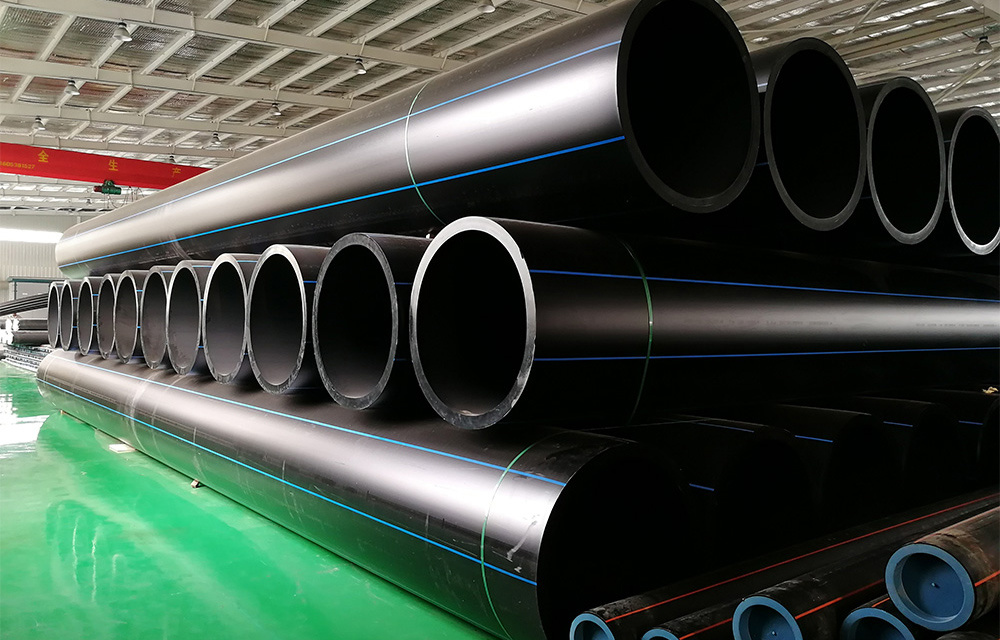
The management of landfill leachate is a critical concern for environmental sustainability and public health. **High-Density Polyethylene (HDPE) pipes** have emerged as a pivotal solution for effectively managing leachate due to their durability, resistance to corrosion, and flexibility. This guide aims to provide a detailed understanding of HDPE pipes in the context of landfill leachate management, addressing their benefits, material properties, installation, and maintenance practices.
2. Understanding Leachate: What It Is and Why It Matters
Leachate is the liquid that forms when water filters through waste materials in a landfill. It contains a complex mixture of organic and inorganic compounds that pose significant environmental risks if not properly managed.
2.1 The Importance of Leachate Management
Effective leachate management is essential to prevent groundwater contamination and protect surrounding ecosystems. Understanding the composition and behavior of leachate is crucial for designing effective management systems.
3. Benefits of Using HDPE Pipe in Leachate Management
The adoption of HDPE pipes in landfill leachate management provides a variety of benefits:
3.1 Durability and Longevity
HDPE pipes are known for their **exceptional durability**, capable of withstanding harsh landfill conditions without deforming or breaking over time.
3.2 Corrosion Resistance
Unlike traditional materials, HDPE does not corrode when exposed to the aggressive chemicals present in leachate, ensuring a longer service life.
3.3 Flexibility and Ease of Installation
The lightweight nature of HDPE pipes makes them easy to handle and install, reducing labor costs and installation time.
3.4 Cost-Effectiveness
Although initial costs may be slightly higher, the long-term savings due to reduced maintenance and replacement make HDPE pipes a **cost-effective solution** for landfill operators.
4. Key Material Properties of HDPE Pipe
Understanding the material properties of HDPE is crucial for its application in landfill leachate systems:
4.1 Chemical Resistance
HDPE demonstrates remarkable resistance to a wide range of chemicals, making it ideal for leachate applications.
4.2 Temperature Tolerance
HDPE pipes can operate in a wide temperature range, making them suitable for various environmental conditions.
4.3 Hydraulic Performance
HDPE pipes offer excellent hydraulic performance, ensuring efficient flow rates essential for effective leachate management.
5. Design Criteria for HDPE Pipe Systems
The design of HDPE pipe systems for landfill leachate management involves several critical criteria:
5.1 Pipe Sizing and Flow Capacity
Proper sizing of HDPE pipes is essential to accommodate peak leachate flow rates while preventing clogging or overflow.
5.2 System Layout
The layout of the pipe system should facilitate efficient drainage and minimize the risk of leachate pooling.
5.3 Integration with Leachate Treatment Systems
Designing HDPE pipe systems to integrate seamlessly with leachate treatment technologies is vital for optimizing overall performance.
6. Installation Techniques for HDPE Pipe
Proper installation techniques are crucial to ensuring the effectiveness of HDPE pipes in leachate management:
6.1 Trenching and Bedding Requirements
Excavation must be performed with care, ensuring the trench is properly bedded to provide stable support for the HDPE pipes.
6.2 Joining Methods
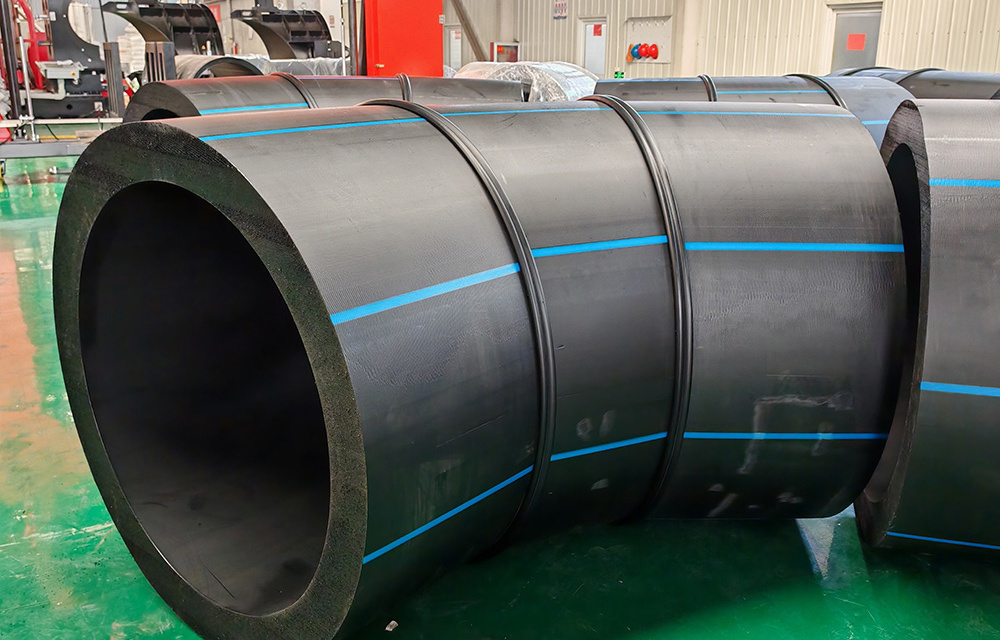
HDPE pipes can be joined using various methods, including heat fusion and mechanical fittings, which provide strong, leak-proof connections.
6.3 Backfilling Procedures
Backfilling should be conducted with attention to detail, ensuring that the pipe remains supported and protected from damage.
7. Maintenance Practices for HDPE Pipe Systems
Regular maintenance is essential to the longevity and efficiency of HDPE pipe systems:
7.1 Inspection Protocols
Routine inspections can identify potential issues early, ensuring the system remains operational and effective.
7.2 Cleaning Procedures
Implementing effective cleaning procedures can prevent blockages and maintain optimal flow rates within the pipe system.
7.3 Monitoring Leachate Quality
Monitoring the quality of leachate can provide insights into the effectiveness of the management system and highlight areas needing attention.
8. Case Studies: Successful Implementation of HDPE Pipes
Exploring real-world case studies can provide valuable insights into the successful application of HDPE pipes in landfill leachate management.
8.1 Case Study 1: City X Landfill
City X implemented HDPE pipes to reduce leachate overflow, resulting in a significant decrease in groundwater contamination.
8.2 Case Study 2: Project Y
Project Y utilized HDPE pipes in a comprehensive leachate treatment program, improving overall waste management efficiency and reducing costs.
9. Frequently Asked Questions
What is leachate?
Leachate is the contaminated liquid that forms when rainwater or other liquids percolate through waste in a landfill.
Why is HDPE preferred for leachate management?
HDPE is preferred due to its chemical resistance, durability, and flexibility, making it ideal for harsh landfill conditions.
How long do HDPE pipes last?
With proper installation and maintenance, HDPE pipes can last for over 50 years.
What are the typical sizes of HDPE pipes used for leachate?
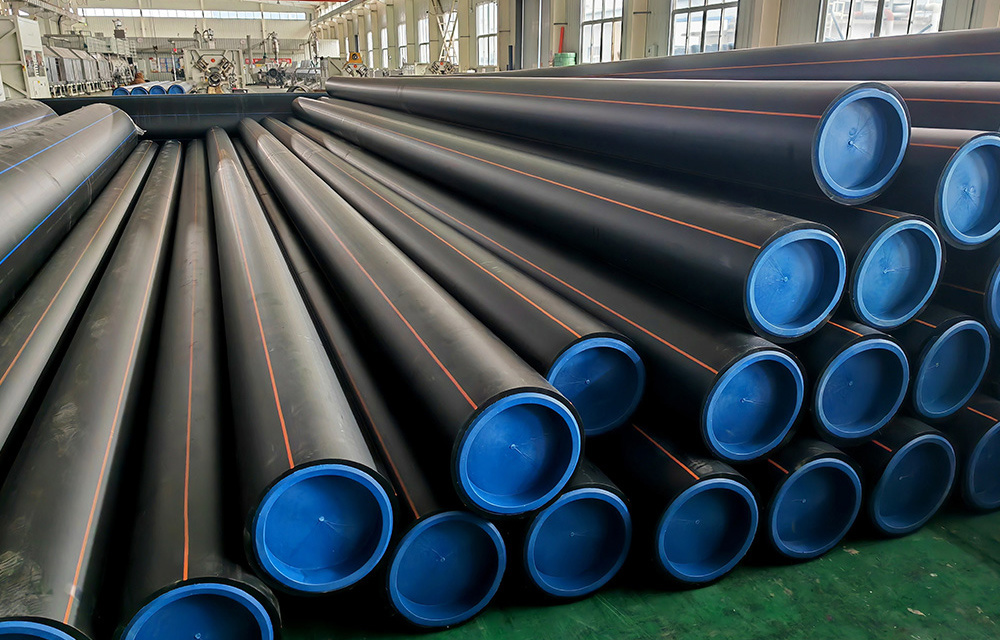
HDPE pipes used in leachate management typically range from 4 inches to 36 inches in diameter, depending on the application.
Can HDPE pipes be recycled?
Yes, HDPE pipes are recyclable and can be repurposed for various applications, contributing to environmental sustainability.
10. Conclusion: The Future of Leachate Management with HDPE Pipe
The utilization of **HDPE pipes** in landfill leachate management represents a critical advancement in waste management technology. With their superior durability, chemical resistance, and cost-effectiveness, HDPE pipes are poised to play an integral role in sustainable landfill practices. As environmental regulations become more stringent, the adoption of HDPE pipes will not only enhance leachate management systems but also contribute to the broader goals of environmental protection and sustainability. Embracing this technology today can lead to a greener, more responsible approach to waste management for future generations.

Customer Service Hotline
Sales Department Email
Website (Web)
Customer Service Email
Business Cooperation Email
Address
No.32 Donghai Road, Cangzhou Development Zone, Hebei Province, China
Company Address
No. 32 Donghai Road, Cangzhou Development Zone, Hebei Province, China