


24
2026
-
03
Exploring the Role of HDPE Pipe in Geothermal Systems: A Comprehensive Guide
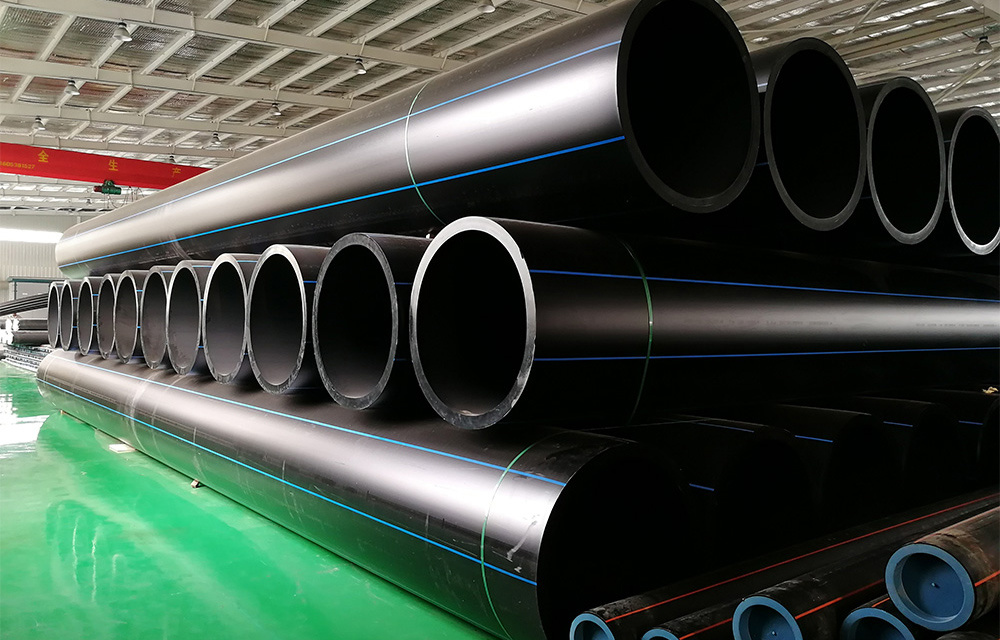
When it comes to geothermal systems, the choice of materials is critical for ensuring optimal performance and longevity. High-Density Polyethylene (HDPE) pipes have emerged as a popular option in this field due to their unique properties and benefits. HDPE is a thermoplastic known for its high strength-to-density ratio, which makes it suitable for various applications, including geothermal heating
One of the primary advantages of HDPE pipes is their resistance to corrosion and chemicals. Unlike traditional metal or concrete pipes, HDPE does not rust or degrade over time, which is particularly useful in geothermal applications where the pipes may be exposed to harsh environmental conditions or aggressive fluids. This durability contributes to a longer lifespan and lowers maintenance costs, making HDPE a cost-effective choice for geothermal installations.
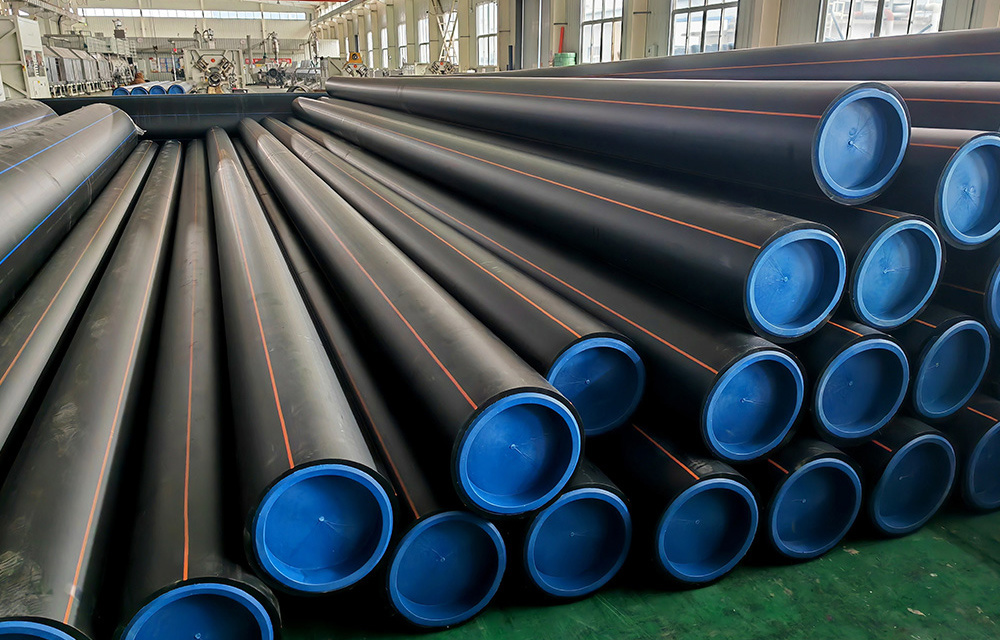
Additionally, HDPE pipes offer excellent flexibility, which allows for easier installation, particularly in challenging terrains or confined spaces. This flexibility can reduce the need for extensive excavation and make it easier to navigate around existing infrastructure, saving both time and labor costs. The lightweight nature of HDPE also simplifies transportation and handling on-site, further enhancing its appeal for geothermal projects.
Thermal conductivity is another critical factor in the performance of geothermal systems. HDPE pipes possess good thermal insulation properties, which help maintain the temperature of the fluid being transported. This quality is essential for maximizing the efficiency of heat exchange processes within geothermal systems, thereby improving overall system performance.
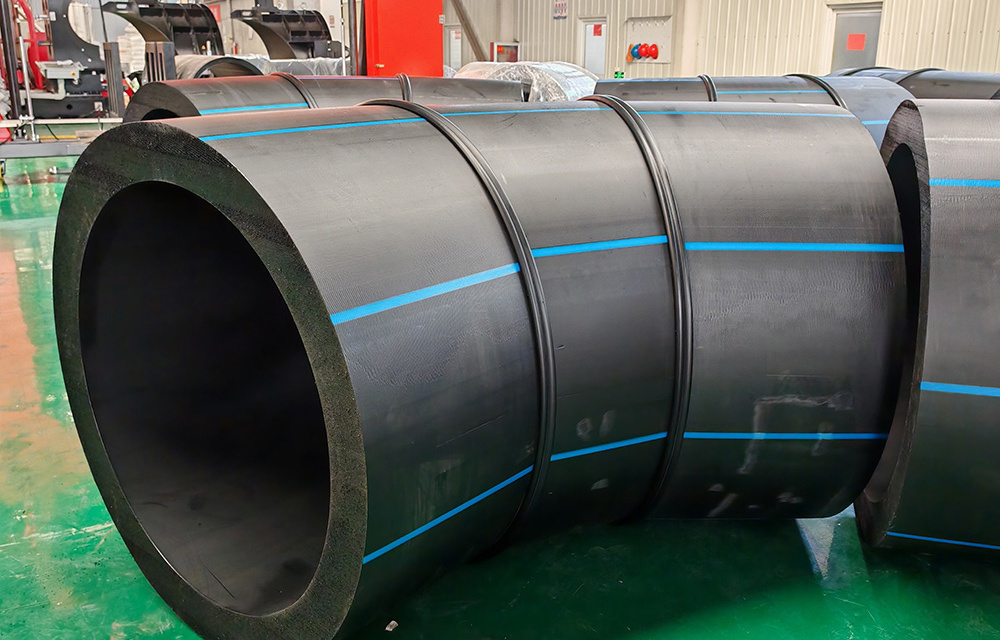
Moreover, HDPE pipes can be joined using fusion techniques, creating leak-free connections that enhance the integrity of the entire system. This seamless joining method not only eliminates potential weak points but also contributes to the overall efficiency of geothermal systems by minimizing energy losses.
Sustainability is a growing concern in today’s industrial landscape, and HDPE pipes align well with this trend. Being recyclable, they can be repurposed at the end of their lifecycle, reducing environmental impact and promoting a circular economy. This eco-friendly characteristic is increasingly important for companies looking to enhance their sustainability credentials.
In conclusion, HDPE pipes are a robust and efficient choice for geothermal systems. Their resistance to corrosion, flexibility, excellent thermal properties, and sustainability make them a valuable asset in the industrial equipment and pipeline sector. As professionals continue to seek innovative solutions for geothermal energy applications, understanding the advantages of HDPE piping will be crucial for achieving successful project outcomes.

Customer Service Hotline
Sales Department Email
Website (Web)
Customer Service Email
Business Cooperation Email
Address
No.32 Donghai Road, Cangzhou Development Zone, Hebei Province, China
Company Address
No. 32 Donghai Road, Cangzhou Development Zone, Hebei Province, China