


20
2026
-
03
Understanding the Role of HDPE Pipe in Managing Landfill Leachate
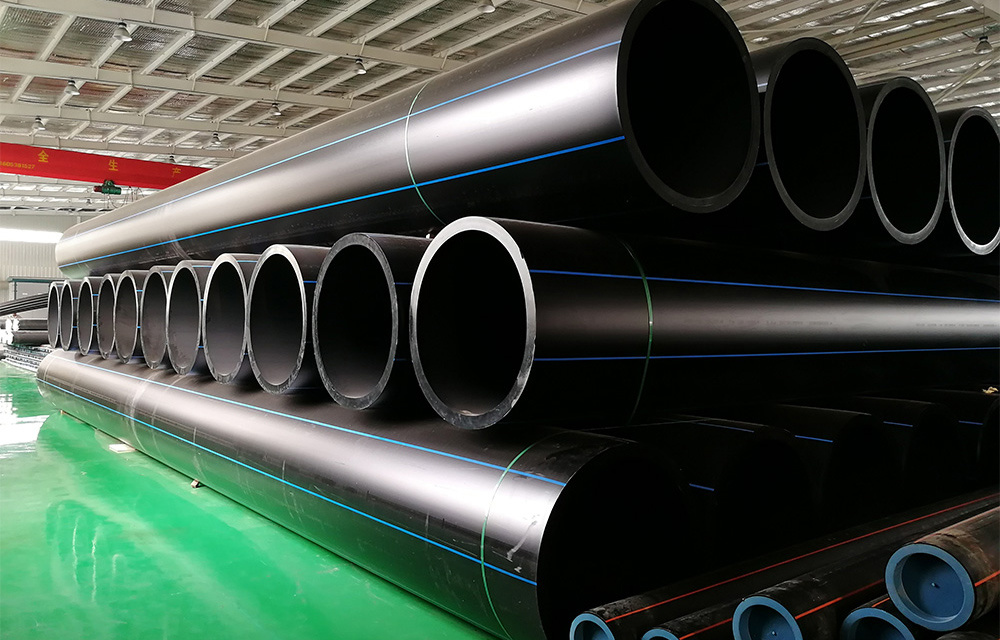
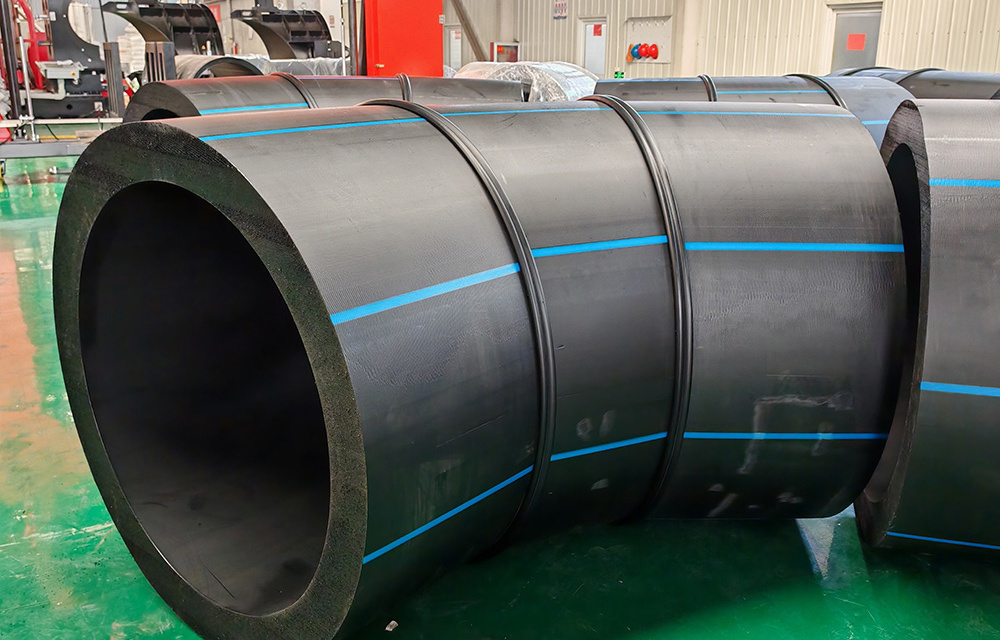
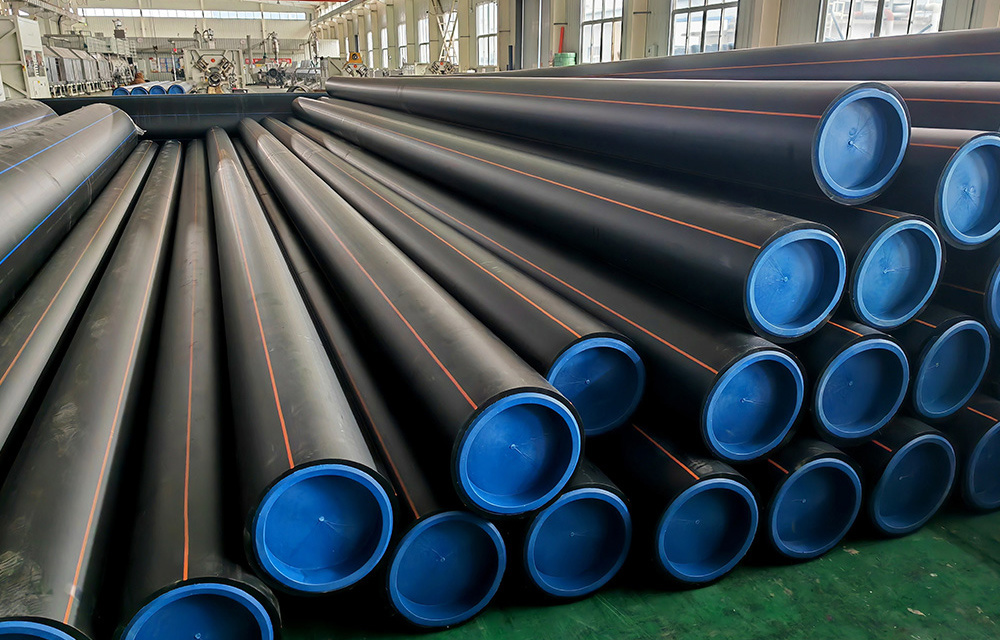
Landfills are an essential component of modern waste management systems, but they pose significant environmental challenges, particularly in managing leachate. Leachate is the liquid that drains or leaches from the solid waste in a landfill, and it can contain a variety of harmful contaminants that, if not properly managed, can pose risks to groundwater and surface water. This is where HDPE, or Hi
HDPE pipes are favored in landfill applications due to their excellent chemical resistance. Leachate can be highly corrosive and may contain a complex mixture of organic and inorganic substances. Traditional piping materials may degrade or fail over time when exposed to such environments. In contrast, HDPE pipes exhibit remarkable resistance to a wide range of chemicals, including acids, bases, and solvents. This property ensures a long service life, reducing maintenance costs and the need for frequent replacements.
Another critical advantage of HDPE pipes is their durability and flexibility. These pipes can withstand significant stress and strain, making them suitable for the harsh conditions typically found in landfill environments. Their flexibility allows for easier installation and the ability to adapt to the terrain, which is particularly beneficial in large landfill sites where ground shifts may occur.
When used in leachate collection systems, HDPE pipes help ensure that liquids are efficiently captured and transported to treatment facilities. Proper leachate management is essential not only for protecting local water resources but also for complying with environmental regulations. Leachate must be treated to remove pollutants before it can be safely released into the environment, and HDPE pipes are integral to the infrastructure that supports this process.
Moreover, the installation of HDPE pipes contributes to the overall sustainability of landfill operations. By effectively managing leachate, landfills can minimize their environmental footprint and enhance their operational efficiency. This is increasingly important as communities seek to balance waste management needs with environmental protection.
In conclusion, HDPE pipes are a critical component in the management of landfill leachate. Their chemical resistance, durability, and flexibility make them an ideal choice for ensuring the effective transportation and treatment of leachate. As regulatory pressures increase and the need for sustainable waste management solutions becomes more urgent, incorporating HDPE piping systems is a proactive step toward protecting our environment and ensuring public health. Understanding the advantages of HDPE pipes not only helps in making informed decisions but also highlights their vital role in modern landfill management practices.

Customer Service Hotline
Sales Department Email
Website (Web)
Customer Service Email
Business Cooperation Email
Address
No.32 Donghai Road, Cangzhou Development Zone, Hebei Province, China
Company Address
No. 32 Donghai Road, Cangzhou Development Zone, Hebei Province, China