


19
2026
-
03
How to Install HDPE Pipe for Optimal Geothermal System Efficiency
How to Install HDPE Pipe for Optimal Geothermal System Efficiency In the world of renewable energy, geothermal systems stand out for their efficiency and sustainability. A critical component of these systems is the HDPE (High-Density Polyethylene) pipe, known for its durability and resistance to corrosion. In this comprehensive guide, we will walk you through the process of installing HDPE pipe sp
How to Install HDPE Pipe for Optimal Geothermal System Efficiency
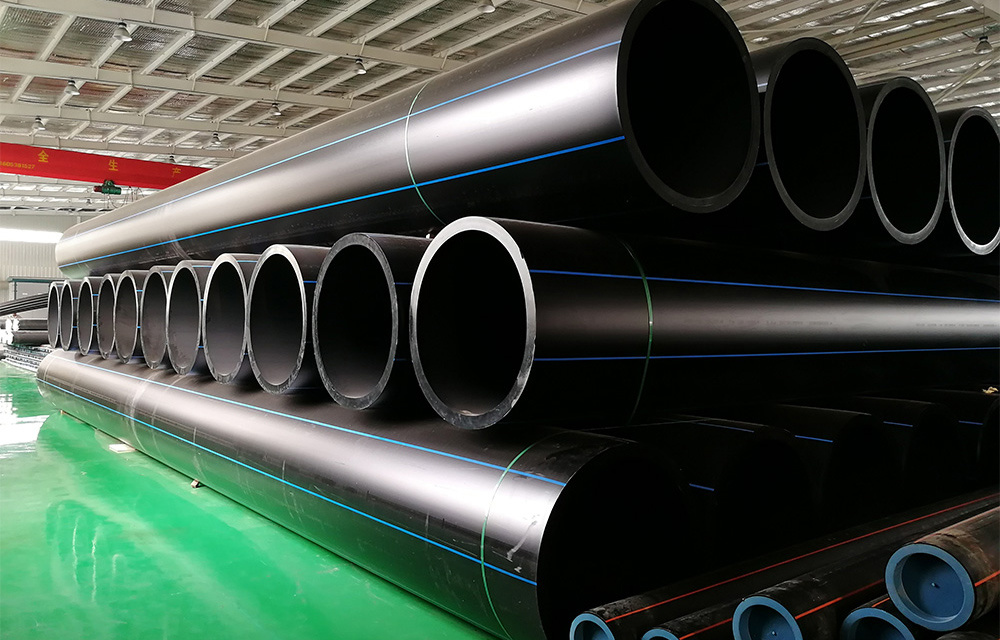
In the world of renewable energy, geothermal systems stand out for their efficiency and sustainability. A critical component of these systems is the HDPE (High-Density Polyethylene) pipe, known for its durability and resistance to corrosion. In this comprehensive guide, we will walk you through the process of installing HDPE pipe specifically for geothermal systems, ensuring you achieve optimal efficiency and performance.
Table of Contents
- 1. Introduction to HDPE Pipe and Geothermal Systems
- 2. Benefits of Using HDPE Pipe in Geothermal Applications
- 3. Types of HDPE Pipe Suitable for Geothermal Systems
- 4. Planning Your HDPE Pipe Installation
- 5. Step-by-Step HDPE Pipe Installation Process
- 6. Trenching for HDPE Pipe Installation
- 7. Making Connections: Joining HDPE Pipe Segments
- 8. Testing and Commissioning Your Geothermal System
- 9. Maintenance Tips for HDPE Pipe in Geothermal Systems
- 10. Frequently Asked Questions
- 11. Conclusion
1. Introduction to HDPE Pipe and Geothermal Systems
Geothermal systems utilize the Earth's constant temperature to provide heating and cooling. HDPE pipes serve as conduits for the fluid that exchanges heat with the surrounding ground. Their unique properties make them an excellent choice for this application. Understanding how to properly install HDPE pipes can greatly influence the efficiency and reliability of your geothermal system.
2. Benefits of Using HDPE Pipe in Geothermal Applications
Using HDPE pipe in geothermal installations offers numerous advantages:
- Durability: HDPE is resistant to corrosion and chemical damage, ensuring a long lifespan.
- Flexibility: The flexibility of HDPE allows for easier installation in various soil conditions.
- Cost-Effective: It requires less maintenance over time, which translates to cost savings.
- Environmental Impact: HDPE is recyclable and reduces the carbon footprint of the installation.
3. Types of HDPE Pipe Suitable for Geothermal Systems
There are various types of HDPE pipes that can be used in geothermal systems:
- SDR 11 and SDR 17: These are common sizes for geothermal applications, offering flexibility and pressure rating options.
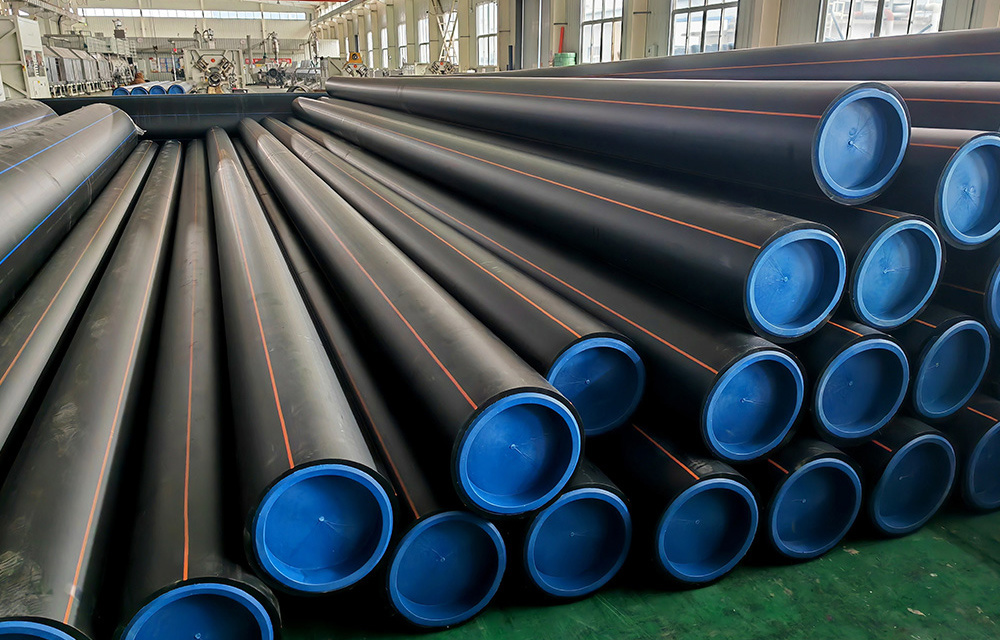
- Coiled HDPE Pipe: Ideal for horizontal ground loop installations due to its flexibility and ease of transport.
- Solid Wall Pipe: Used for vertical installations, providing high strength and durability.
4. Planning Your HDPE Pipe Installation
A successful installation begins with thorough planning:
- Site Assessment: Analyze the soil type, climate conditions, and the layout of existing infrastructure.
- System Design: Determine the type of geothermal system (open loop or closed loop) and the depth of the loops needed.
- Permitting: Ensure you have the necessary permits from local authorities before commencing installation.
5. Step-by-Step HDPE Pipe Installation Process
The installation of HDPE pipes involves several key steps:
5.1 Gather Necessary Tools and Materials
- HDPE pipes
- Pipe fusion equipment (if applicable)
- Trenching tools
- Measuring tools
- Personal protective equipment (PPE)
5.2 Prepare the Installation Site
Clear the area of debris and mark the trench lines based on your design plan. Make sure to avoid existing utilities.
5.3 Lay the HDPE Pipe
Carefully lay the HDPE pipe in the trench, ensuring that it follows the designed path and is free from kinks or sharp bends. Proper alignment is crucial for effective heat exchange.
5.4 Backfill the Trench
Once the pipe is laid, backfill the trench carefully with soil, ensuring no large rocks or debris are present that could damage the pipe.
6. Trenching for HDPE Pipe Installation
Trenching is a critical element of the installation process:
- Depth and Width: The trench should be deep enough to accommodate the HDPE pipe and any necessary insulation.
- Soil Condition: Be aware of the soil type; sandy soils may require different handling compared to clayey soils.
- Safety Precautions: Adhere to safety standards to prevent accidents during excavation.
7. Making Connections: Joining HDPE Pipe Segments
Joining HDPE pipes requires precision:
7.1 Butt Fusion
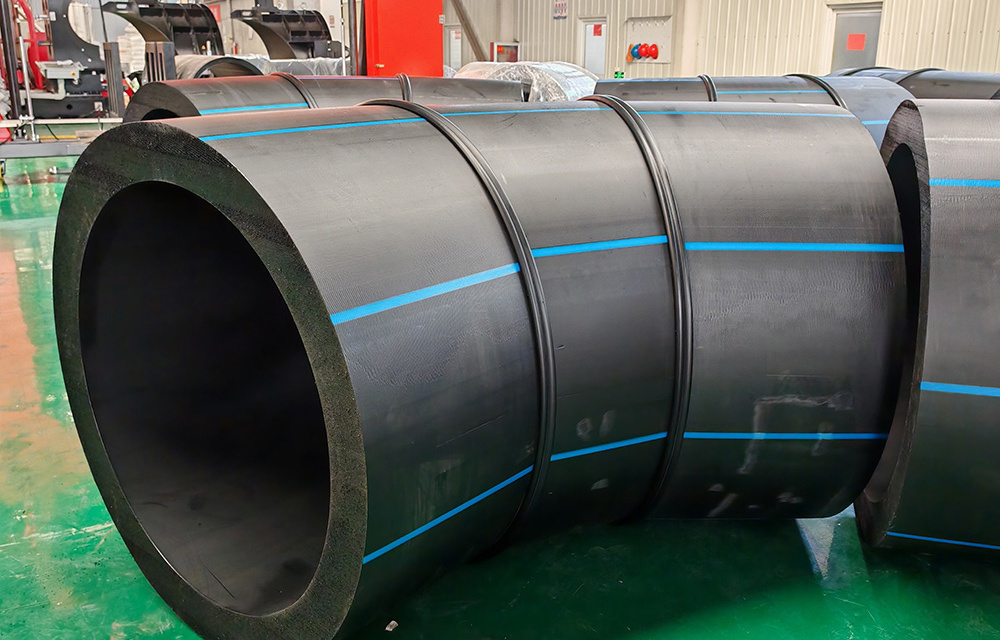
This method involves heating the ends of the pipe segments until they melt and can be fused together. It creates a strong, seamless connection.
7.2 Electrofusion
This technique uses an electrical current to heat and fuse special fittings to the pipe ends, ensuring a robust connection.
7.3 Mechanical Connections
Mechanical fittings can be used, but ensure they are compatible with HDPE to maintain system integrity.
8. Testing and Commissioning Your Geothermal System
After installation, testing is crucial:
- Pressure Testing: Conduct a pressure test to ensure there are no leaks in the system.
- Flow Rate Testing: Test the flow rate to ensure it meets design specifications.
- System Commissioning: Once testing is complete, commission the system to begin operation.
9. Maintenance Tips for HDPE Pipe in Geothermal Systems
Maintaining your HDPE pipes will enhance the lifespan of your geothermal system:
- Regular Inspections: Check for any signs of wear or damage periodically.
- Cleaning: Keep pipes clean of debris and other obstructions.
- Monitor Performance: Regularly assess system performance to identify potential issues early.
10. Frequently Asked Questions
10.1 What is HDPE pipe?
HDPE (High-Density Polyethylene) pipe is a type of plastic pipe known for its durability, flexibility, and resistance to corrosion, making it ideal for geothermal applications.
10.2 How long does HDPE pipe last?
With proper installation and maintenance, HDPE pipes can last over 50 years.
10.3 Is HDPE pipe difficult to install?
While it requires proper planning and techniques, many find HDPE pipe installation manageable with the right tools and guidance.
10.4 Can HDPE pipe be repaired easily?
Yes, HDPE pipes can be repaired using methods such as butt fusion or mechanical fittings, ensuring minimal disruption to the system.
10.5 What are the advantages of geothermal systems?
Geothermal systems offer energy efficiency, lower operating costs, and a minimal carbon footprint compared to traditional heating and cooling systems.
11. Conclusion
Installing HDPE pipes for geothermal systems is a vital step towards creating an efficient and sustainable energy solution. By following the steps outlined in this guide, you can ensure a successful installation that maximizes the performance of your geothermal system. From understanding the benefits of HDPE to mastering the installation process, this knowledge will serve you well in achieving optimal geothermal efficiency.

Customer Service Hotline
Sales Department Email
Website (Web)
Customer Service Email
Business Cooperation Email
Address
No.32 Donghai Road, Cangzhou Development Zone, Hebei Province, China
Company Address
No. 32 Donghai Road, Cangzhou Development Zone, Hebei Province, China