


21
2026
-
03
HDPE Pipe Installation Techniques for Successful Pipe Jacking
HDPE Pipe Installation Techniques for Successful Pipe Jacking The advancement of infrastructure demands innovative solutions that streamline processes and enhance efficiency. One such solution is the use of High-Density Polyethylene (HDPE) pipes in pipe jacking. This technique has garnered significant attention due to its versatility, durability, and cost-effectiveness. In this article, we delve i
HDPE Pipe Installation Techniques for Successful Pipe Jacking
The advancement of infrastructure demands innovative solutions that streamline processes and enhance efficiency. One such solution is the use of High-Density Polyethylene (HDPE) pipes in pipe jacking. This technique has garnered significant attention due to its versatility, durability, and cost-effectiveness. In this article, we delve into the intricate techniques of HDPE pipe installation through pipe jacking, aiming to equip contractors and professionals with the knowledge necessary to execute successful projects.
Understanding HDPE Pipes and Their Advantages
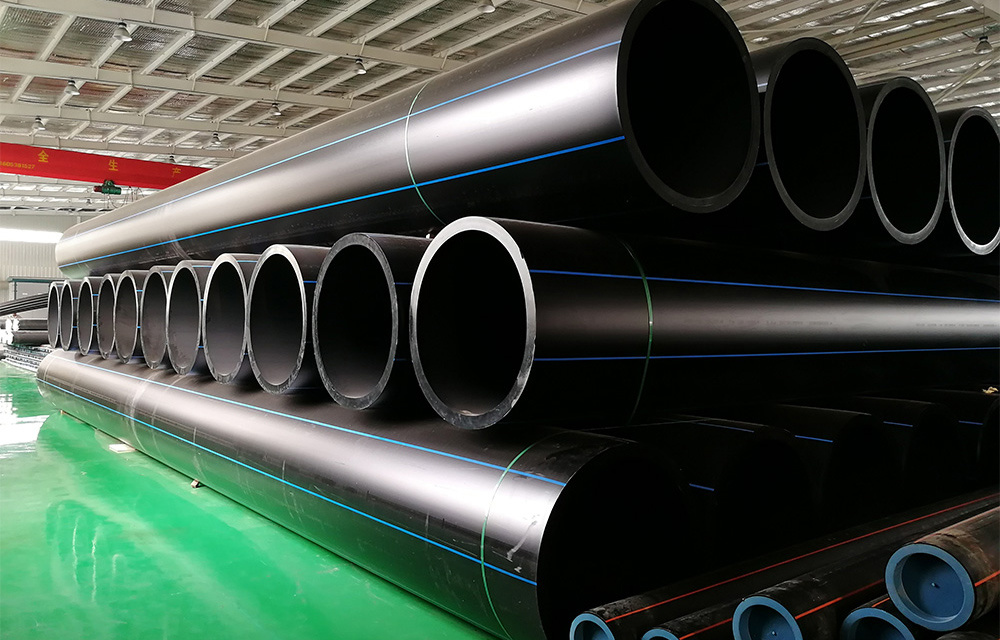
High-Density Polyethylene (HDPE) is a robust thermoplastic polymer known for its high strength-to-density ratio. The properties that make HDPE an ideal choice for pipe jacking include:
1. Durability and Longevity
HDPE pipes are resistant to corrosion, chemicals, and environmental stress, ensuring a long service life. They can withstand harsh conditions, making them suitable for various applications, from sewer systems to water mains.
2. Lightweight and Flexible
The lightweight nature of HDPE pipes facilitates easier handling and installation. Their flexibility allows for better adaptability to the ground conditions, reducing the risks of damage during installation.
3. Cost-Effectiveness
Despite a slightly higher initial investment compared to traditional materials, the long-term savings in maintenance and replacement costs associated with HDPE pipes make them a cost-effective choice for many projects.
4. Environmental Benefits
HDPE is 100% recyclable, significantly reducing its environmental impact. The reduced energy consumption during production and transportation further enhances its sustainability profile.
The Pipe Jacking Method Explained
Pipe jacking is a trenchless technology that involves the installation of pipes underground without the need for extensive excavation. This method minimizes surface disruption, making it ideal for urban areas or locations where traditional installation would be infeasible.
What is Pipe Jacking?
Pipe jacking involves the use of a jacking rig to push pipes into the ground while simultaneously excavating the soil ahead of the pipe. This process allows for the installation of HDPE pipes with minimal disturbance to the surrounding environment.
Key Components of Pipe Jacking
Understanding the components involved in pipe jacking is crucial for successful installation:
- **Jacking Head**: The leading component that penetrates the ground, excavating soil and creating space for the pipe.
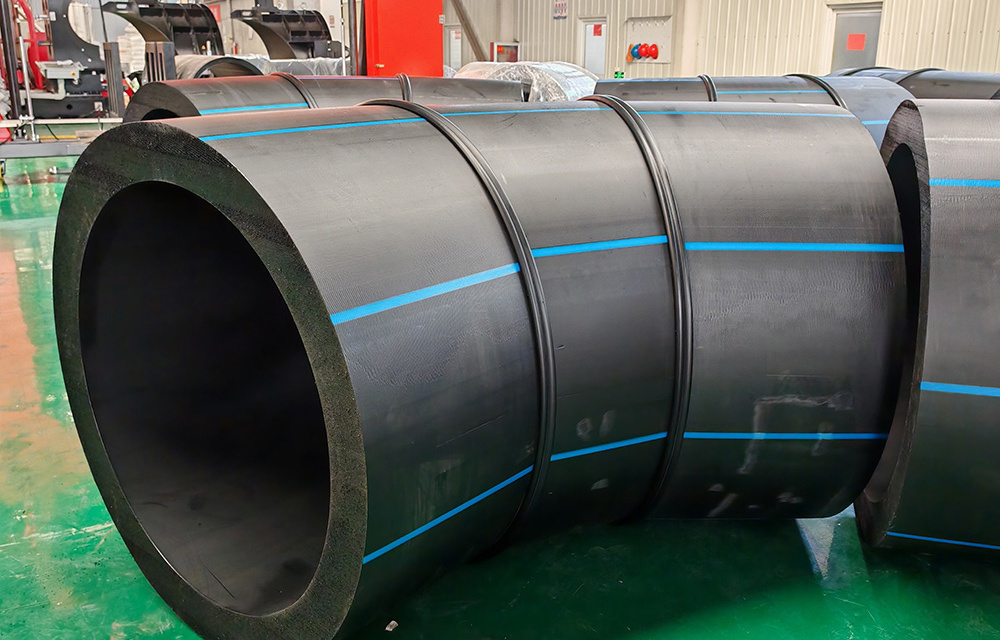
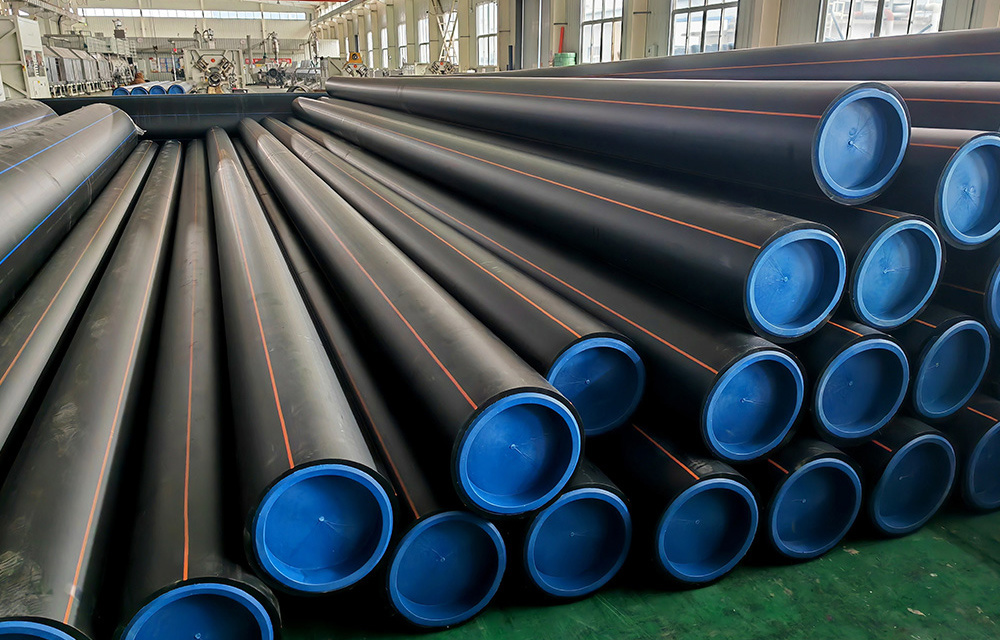
- **Jacking Pipe**: The HDPE pipe being installed, typically available in various diameters and lengths.
- **Jacking Frame**: The structure that supports the jacking operation and provides stability during the installation process.
- **Hydraulic System**: The mechanism that provides the necessary force to push the pipe into the ground.
Preparation for Successful HDPE Pipe Jacking
Proper preparation is essential to ensure a smooth and successful HDPE pipe installation through jacking. Here are steps to take before commencing the operation:
1. Site Assessment and Planning
Conduct a thorough site assessment to identify potential challenges, including existing underground utilities, soil composition, and groundwater conditions. Create a detailed plan that outlines the pipe jacking process, timelines, and the equipment required.
2. Selecting the Right Equipment
Choose equipment that matches the project requirements. Factors such as the diameter of the HDPE pipe, length of the installation, and soil conditions will influence the choice of jacking rig and tools.
3. Obtaining Necessary Permits
Ensure compliance with local regulations and obtain the necessary permits before commencing jacking operations. This step is crucial for avoiding legal complications and ensuring the safety of all involved.
Executing the HDPE Pipe Jacking Process
Once the preparation phase is complete, it’s time to execute the pipe jacking operation. Below are the critical steps involved:
Step 1: Setting Up the Jacking Rig
Position the jacking rig at the designated launch pit, ensuring it is level and securely anchored. The jacking force should be applied evenly to prevent misalignment.
Step 2: Installing the Jacking Head
Attach the jacking head to the front of the first HDPE pipe section. The design of the jacking head should be suitable for the soil type to facilitate efficient excavation.
Step 3: Commencing the Jacking Operation
Activate the hydraulic system to begin the jacking process. Monitor the force applied to ensure it remains within safe limits to avoid damaging the pipe or causing excessive soil displacement.
Step 4: Excavating the Soil
As the pipe is pushed forward, the jacking head will excavate the soil ahead. Continuous monitoring of the excavation process is crucial to address any unforeseen challenges immediately.
Step 5: Connecting Pipe Sections
Once the first section of pipe has been jacked into place, connect subsequent sections securely. Ensure proper alignment and integrity during this process to maintain the system’s overall functionality.
Step 6: Completing the Installation
After the final section of the HDPE pipe has been installed, remove the jacking rig and backfill the launch pit. Conduct thorough inspections to verify the installation’s integrity before proceeding with final restoration of the site.
Challenges and Solutions in HDPE Pipe Jacking
While HDPE pipe jacking is a highly effective method, it can present challenges that require attention:
1. Soil Composition Variability
Different soil types can significantly affect the jacking process. Cohesive soils may lead to excessive friction, while loose soils can cause instability. To mitigate these issues, conduct soil tests and adjust the jacking head design accordingly.
2. Groundwater Issues
High groundwater levels can lead to increased pressure on the pipeline and affect the alignment. Implement dewatering techniques before installation, and ensure proper sealing of the pipe joints.
3. Equipment Malfunctions
Regular maintenance of the jacking rig and associated equipment is essential to prevent breakdowns during the operation. Conduct routine inspections and have backup equipment ready to minimize downtime.
Post-Installation: Inspection and Maintenance
Once the HDPE pipe has been installed, it is crucial to perform thorough inspections to ensure everything is functioning as intended.
1. Visual Inspection
Conduct a visual inspection of the installed pipeline for any signs of misalignment, leakage, or damage. This step helps identify issues that may affect the pipeline's performance.
2. Pressure Testing
Implement pressure testing to verify the integrity of the pipe joints and ensure that they can withstand operational pressures. This test is crucial for preventing future leaks.
3. Long-Term Maintenance Strategies
Establish a routine maintenance schedule to inspect the HDPE pipeline regularly. This proactive approach will help identify potential issues early and extend the lifespan of the installation.
FAQs About HDPE Pipe Installation and Pipe Jacking
1. What is the typical lifespan of HDPE pipes?
HDPE pipes can last over 50 years with proper installation and maintenance, making them a long-term solution for various applications.
2. How does pipe jacking minimize surface disruption?
By installing pipes underground without extensive excavation, pipe jacking reduces the need for major surface disruption, preserving the surrounding environment and infrastructure.
3. Can HDPE pipes be used for both water and sewage applications?
Yes, HDPE pipes are versatile and can be used for various applications, including potable water distribution and sewage systems.
4. What should I do if I encounter unexpected soil conditions during installation?
If unexpected soil conditions arise, assess the situation and modify the jacking head or excavation technique accordingly. Consult with geotechnical experts if necessary.
5. Are there any environmental considerations when using HDPE pipes?
HDPE pipes are environmentally friendly as they are 100% recyclable and produced with lower energy consumption compared to traditional materials.
Conclusion
In conclusion, mastering HDPE pipe installation techniques through pipe jacking is essential for any contractor or professional involved in infrastructure projects. By understanding the advantages of HDPE pipes, the step-by-step process of pipe jacking, and how to effectively address potential challenges, we position ourselves for success in delivering high-quality, durable pipeline solutions. The knowledge shared in this article not only enhances operational efficiency but also contributes to long-term sustainability in our industry. By adopting these best practices, we can ensure that our projects meet the high standards expected in today’s evolving infrastructure landscape.

Customer Service Hotline
Sales Department Email
Website (Web)
Customer Service Email
Business Cooperation Email
Address
No.32 Donghai Road, Cangzhou Development Zone, Hebei Province, China
Company Address
No. 32 Donghai Road, Cangzhou Development Zone, Hebei Province, China