


15
2026
-
03
The Environmental Impact of HDPE Pipe in Landfill Operations: An In-Depth Analysis
The Environmental Impact of HDPE Pipe in Landfill Operations Introduction to HDPE Pipe Technology High-Density Polyethylene (HDPE) pipes have become a staple in various industrial applications, particularly in landfill operations. Their durability, flexibility, and resistance to various chemicals make HDPE an optimal choice for managing waste materials. As landfills continue to expand globally, un
The Environmental Impact of HDPE Pipe in Landfill Operations
Introduction to HDPE Pipe Technology
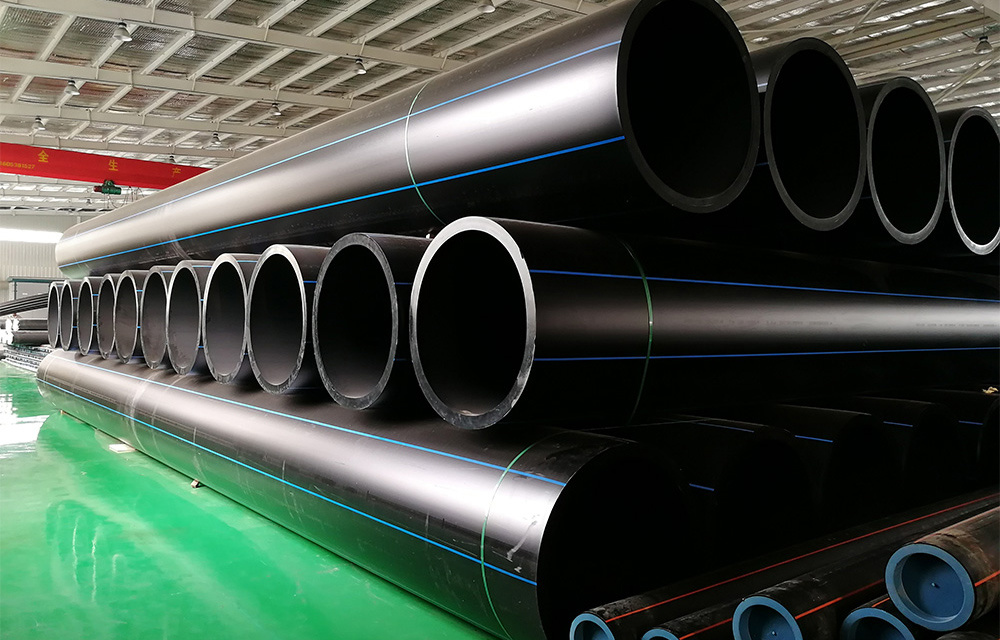
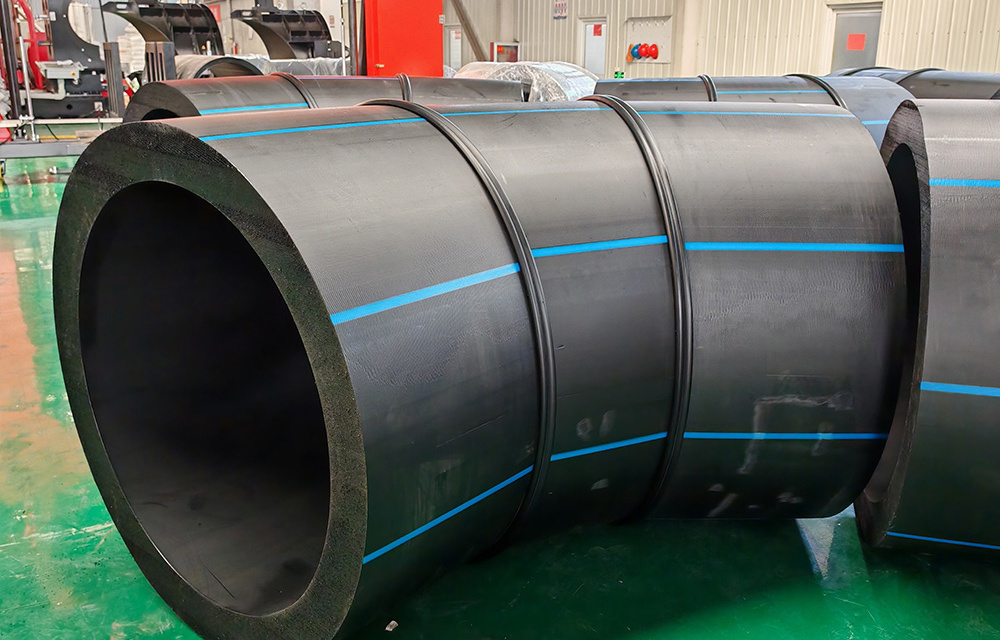
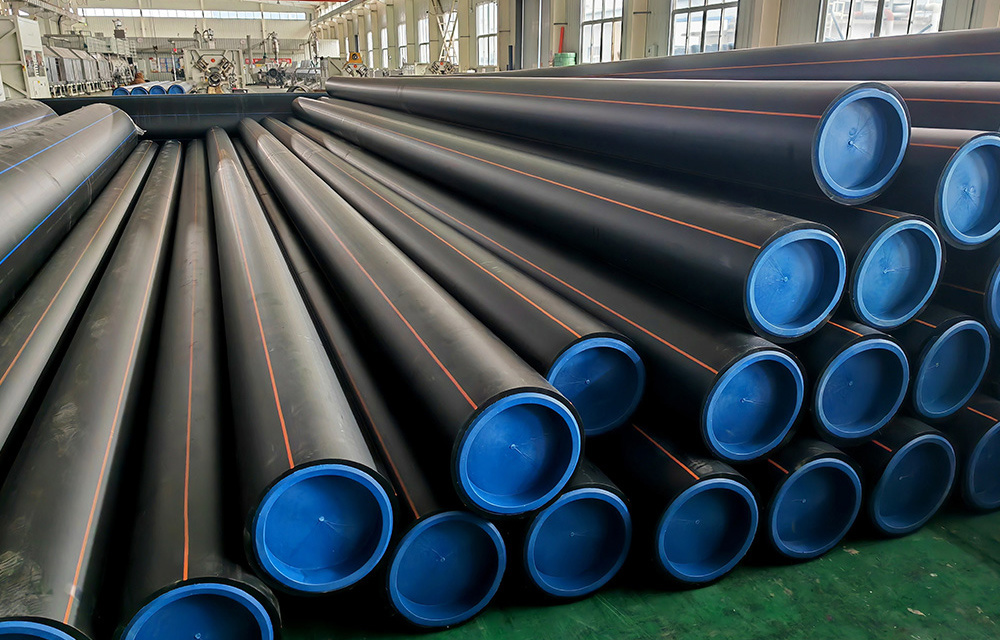
High-Density Polyethylene (HDPE) pipes have become a staple in various industrial applications, particularly in landfill operations. Their durability, flexibility, and resistance to various chemicals make HDPE an optimal choice for managing waste materials. As landfills continue to expand globally, understanding the environmental impact of HDPE pipes in these operations is more crucial than ever.
Understanding HDPE: Properties and Benefits
What is HDPE?
HDPE is a thermoplastic polymer produced from petroleum. It is known for its high strength-to-density ratio, making it ideal for use in a variety of applications, including piping systems, containers, and plastic parts. Its robustness allows it to withstand harsh environmental conditions, making it a reliable choice in landfill settings.
Benefits of Using HDPE Pipes in Landfill Operations
1. **Corrosion Resistance**: Unlike traditional materials, HDPE pipes resist corrosion, which prolongs their lifespan in landfill applications.
2. **Leachate Management**: HDPE pipes effectively manage leachate, the liquid that drains or 'leaches' from landfill sites, which is crucial for preventing contamination of surrounding soil and groundwater.
3. **Cost-Effectiveness**: The longevity and low maintenance requirements of HDPE pipes contribute to overall cost savings in landfill operations.
4. **Lightweight and Flexible**: The lightweight nature of HDPE makes it easier to transport and install, reducing labor costs and construction time.
Environmental Concerns Related to HDPE Pipes
Despite their numerous benefits, concerns surrounding the environmental impact of HDPE pipes cannot be overlooked.
Potential Environmental Risks
1. **Microplastics**: Over time, degradation of HDPE pipes could lead to the formation of microplastics, which pose risks to ecosystems and human health.
2. **Resource Extraction**: The production of HDPE involves the extraction of fossil fuels, contributing to ecological degradation and greenhouse gas emissions.
3. **End-of-Life Challenges**: Disposal of HDPE pipes presents challenges, as they are not biodegradable and can contribute to plastic pollution if not recycled appropriately.
Life Cycle Assessment of HDPE Pipes
Evaluating the Full Impact
A comprehensive life cycle assessment (LCA) is essential in understanding the environmental impact of HDPE pipes throughout their lifespan. This includes evaluation from raw material extraction to manufacturing, use, and eventual disposal.
1. Raw Material Extraction
The extraction of petroleum, the primary feedstock for HDPE, has significant environmental implications, including habitat destruction and pollution.
2. Manufacturing Process
The manufacturing of HDPE pipes involves energy-intensive processes that contribute to carbon emissions. However, advancements in technology have led to more energy-efficient production methods.
3. Installation and Usage
During installation, HDPE pipes require less energy compared to traditional materials. Their usage in landfills helps mitigate leachate issues, contributing positively to environmental management.
4. End-of-Life Disposal
The end-of-life stage for HDPE pipes can be managed through recycling programs, which are essential for reducing environmental impact.
Regulatory Framework and Standards
Compliance and Environmental Regulations
Governments worldwide have implemented various regulations governing the use of HDPE pipes in landfill operations. Understanding these regulations is critical for ensuring compliance and minimizing environmental impacts.
Standards for HDPE Pipe Quality
Organizations such as ASTM International and the American Water Works Association (AWWA) set standards for HDPE pipes to ensure quality and performance. Compliance with these standards is vital for optimizing environmental safety and operational efficiency.
Best Practices for Using HDPE Pipes in Landfills
To maximize the benefits of HDPE pipes and mitigate potential environmental risks, adopting best practices in landfill operations is crucial.
1. Regular Monitoring and Maintenance
Implementing a routine inspection and maintenance schedule for HDPE pipes helps identify potential issues early and ensures their longevity.
2. Leachate Management Systems
Integrating effective leachate management systems is essential. HDPE pipes can play a vital role in directing leachate to treatment facilities, minimizing environmental contamination.
3. Recycling Initiatives
Promoting recycling initiatives for end-of-life HDPE pipes can significantly reduce plastic waste. Collaborating with recycling facilities ensures proper disposal and reuse of materials.
Case Studies: Successful Implementation of HDPE in Landfills
Examining successful cases where HDPE pipes have been effectively utilized in landfill operations provides valuable insights into their environmental impact.
1. Case Study: City Landfill Implementation
In a major city landfill project, the installation of HDPE pipes for leachate management resulted in a significant reduction in groundwater contamination, showcasing the environmental benefits of this technology.
2. Case Study: Rural Landfill Innovations
A rural landfill adopted HDPE pipes to enhance waste management efficiency. The outcome demonstrated improved waste decomposition rates and reduced environmental impact.
Future Trends in HDPE Technology and Landfill Operations
As technology evolves, the future of HDPE pipes in landfill operations looks promising. Innovations aim to further enhance the sustainability and efficiency of waste management practices.
1. Advancements in Recycling Technology
Emerging recycling technologies aim to improve the recovery rates of HDPE, making it easier to reprocess used materials into new products.
2. Smart Waste Management Systems
The integration of smart technology in landfill operations could optimize the usage of HDPE pipes, enhancing monitoring and management capabilities.
Conclusion
The environmental impact of HDPE pipes in landfill operations is multifaceted, showcasing both significant benefits and potential risks. By understanding these factors and implementing best practices, we can leverage the advantages of HDPE technology while minimizing its environmental footprint. As we move forward, continuous research and innovation will play a crucial role in optimizing landfill practices for a more sustainable future.
FAQs
1. What are HDPE pipes used for in landfills?
HDPE pipes are primarily used for leachate management and drainage systems in landfills. Their durability and resistance to corrosion make them ideal for these applications.
2. How do HDPE pipes affect leachate management?
HDPE pipes help manage leachate by directing it to treatment facilities, reducing the risk of soil and groundwater contamination.
3. Are HDPE pipes environmentally friendly?
While HDPE pipes offer several environmental benefits, including longevity and resistance to corrosion, challenges such as microplastic formation and resource extraction must be considered.
4. Can HDPE pipes be recycled?
Yes, HDPE pipes can be recycled, which helps reduce plastic waste and promotes sustainable practices in landfill operations.
5. What regulations govern the use of HDPE pipes in landfill operations?
Various regulations and standards, such as those set by ASTM International and local environmental agencies, govern the use of HDPE pipes to ensure environmental safety and compliance.

Customer Service Hotline
Sales Department Email
Website (Web)
Customer Service Email
Business Cooperation Email
Address
No.32 Donghai Road, Cangzhou Development Zone, Hebei Province, China
Company Address
No. 32 Donghai Road, Cangzhou Development Zone, Hebei Province, China