


14
2026
-
03
Maximizing Efficiency with HDPE Pipe for Geothermal Systems
--- In recent years, the demand for sustainable energy solutions has surged, leading to an increased interest in geothermal systems. A crucial component of these systems is the piping used to transport heat efficiently, and HDPE (High-Density Polyethylene) pipes have emerged as a preferred option. Known for their durability and versatility, HDPE pipes are particularly suited for geothermal applica
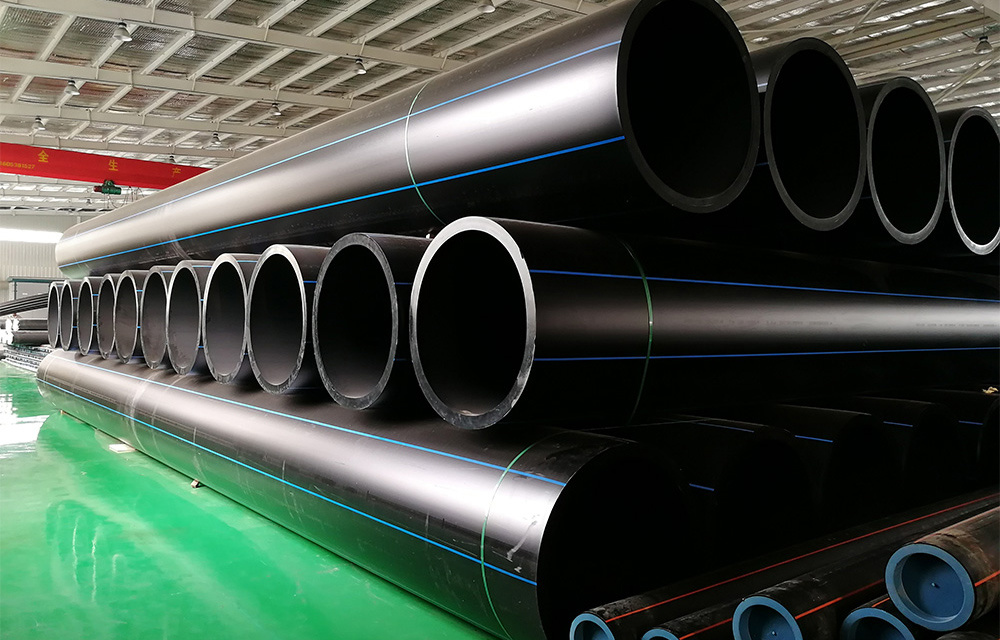
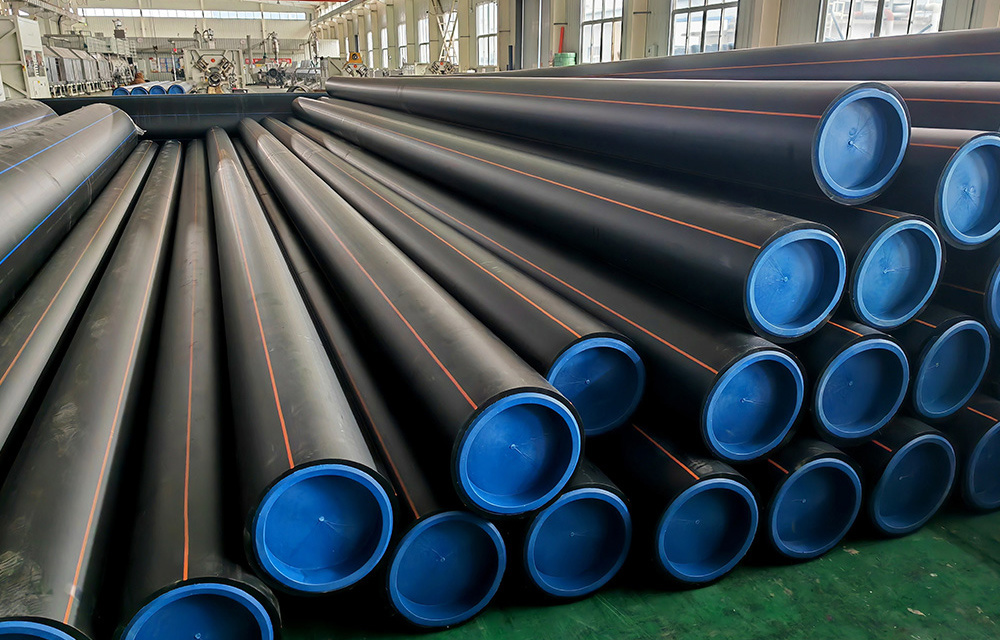
In recent years, the demand for sustainable energy solutions has surged, leading to an increased interest in geothermal systems. A crucial component of these systems is the piping used to transport heat efficiently, and HDPE (High-Density Polyethylene) pipes have emerged as a preferred option. Known for their durability and versatility, HDPE pipes are particularly suited for geothermal applications.
One of the primary advantages of HDPE pipe for geothermal systems is its resistance to corrosion and chemical damage. Unlike traditional materials, HDPE does not rust or degrade when exposed to moisture or various chemicals, which is a key consideration in geothermal applications where pipes are buried underground and exposed to fluctuating temperatures and soil conditions.
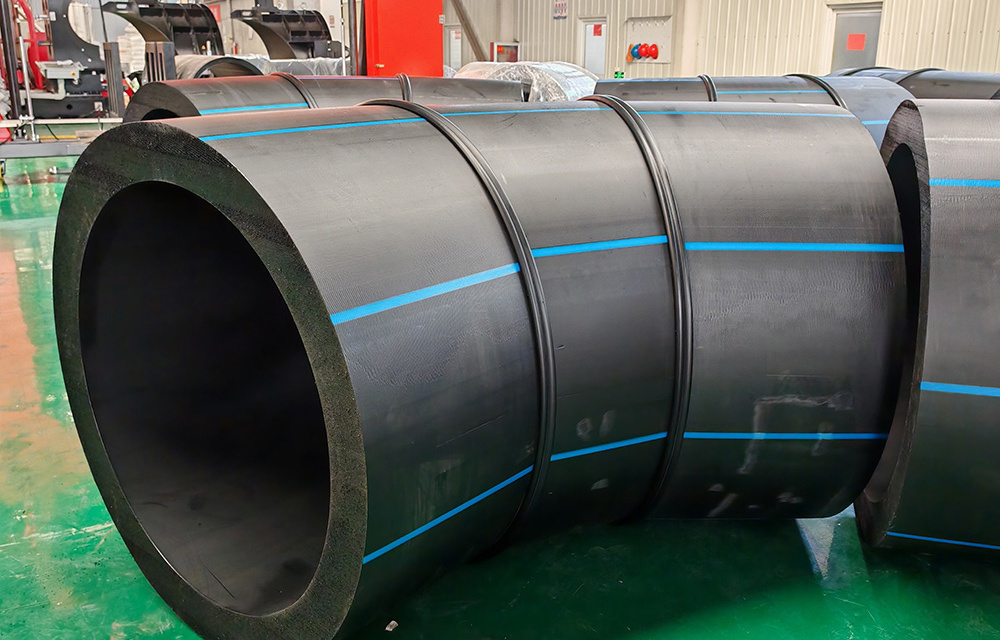
Another significant benefit is the flexibility of HDPE pipes. This material can be easily bent and shaped, allowing for more straightforward installation in challenging terrain. It reduces the need for numerous fittings and joints, minimizing potential leak points and enhancing the overall reliability of the system. The lightweight nature of HDPE also simplifies handling and installation processes, leading to faster project completion times and reduced labor costs.
Furthermore, HDPE pipes boast excellent thermal conductivity, making them ideal for heat exchange in geothermal systems. They efficiently transfer heat to and from the ground, optimizing the performance of heating and cooling systems. The longevity of HDPE, with a lifespan of over 50 years when installed correctly, makes it a cost-effective solution in the long term, as it requires less maintenance and replacement compared to other materials.
In terms of environmental impact, HDPE is a recyclable material, contributing to sustainable practices in construction and infrastructure projects. As professionals increasingly seek eco-friendly solutions, the use of HDPE pipes aligns with global trends towards sustainability and reduced carbon footprints.
It’s also worth noting that the installation of HDPE pipes must comply with local regulations and standards for geothermal systems. Proper installation techniques and adherence to guidelines ensure optimal performance and longevity of the piping system.
For those considering the integration of geothermal systems in their projects, HDPE pipes present a compelling option. Their unique properties address many of the challenges faced in geothermal applications, offering durability, efficiency, and environmental benefits. By choosing HDPE pipes, professionals can ensure a reliable and effective geothermal system that meets both current and future energy needs, ultimately leading to greater sustainability and operational efficiency.
In conclusion, HDPE pipe for geothermal systems is a superior choice for those looking to enhance energy efficiency while maintaining environmental responsibility. Understanding these advantages can help professionals make informed decisions when selecting materials for their geothermal projects.

Customer Service Hotline
Sales Department Email
Website (Web)
Customer Service Email
Business Cooperation Email
Address
No.32 Donghai Road, Cangzhou Development Zone, Hebei Province, China
Company Address
No. 32 Donghai Road, Cangzhou Development Zone, Hebei Province, China