


16
2026
-
03
Understanding HDPE Pipe for Pipe Jacking: A Comprehensive Guide
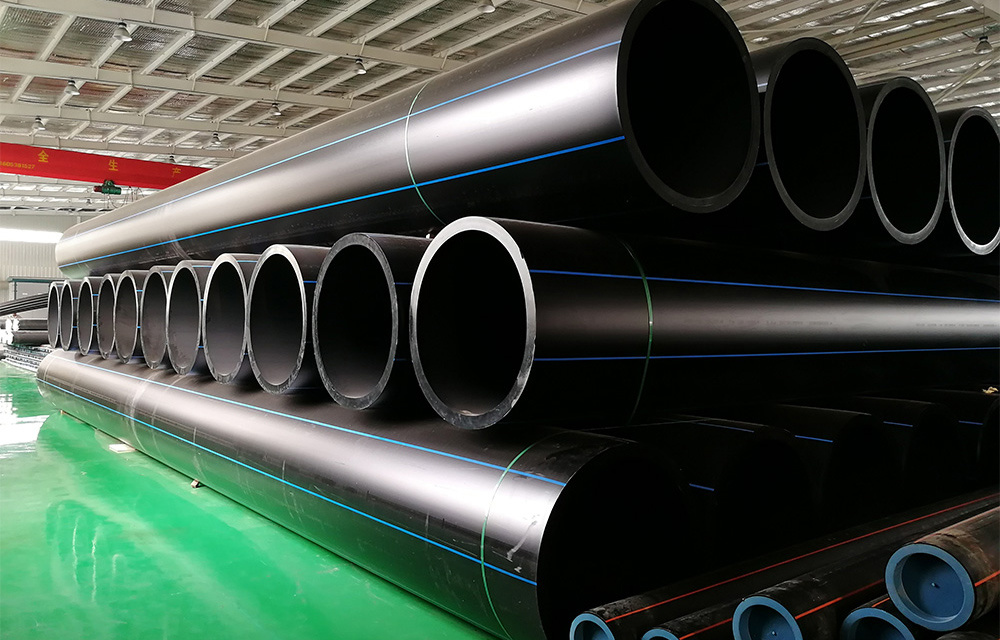
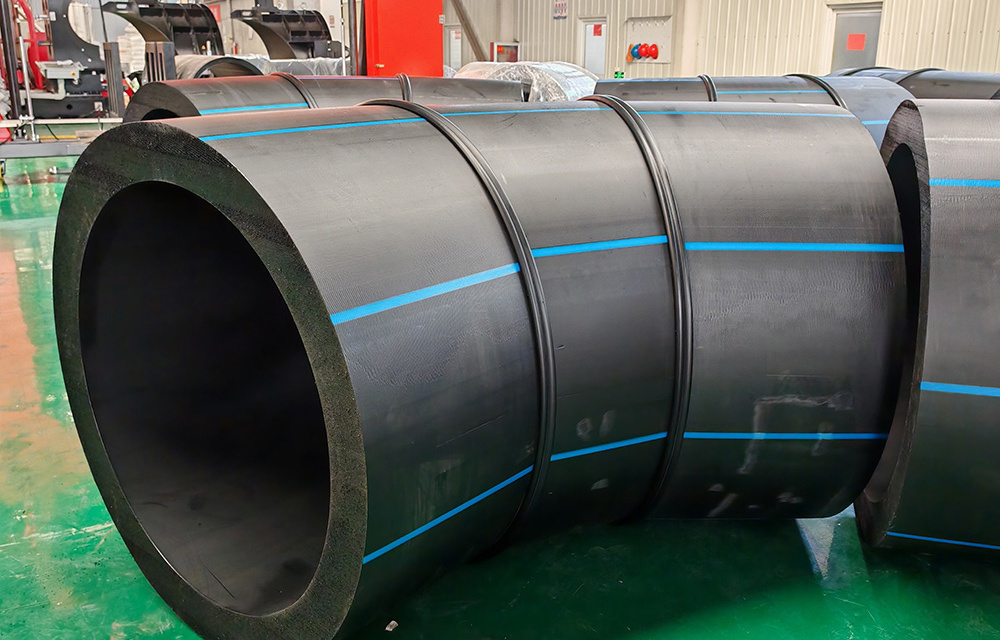
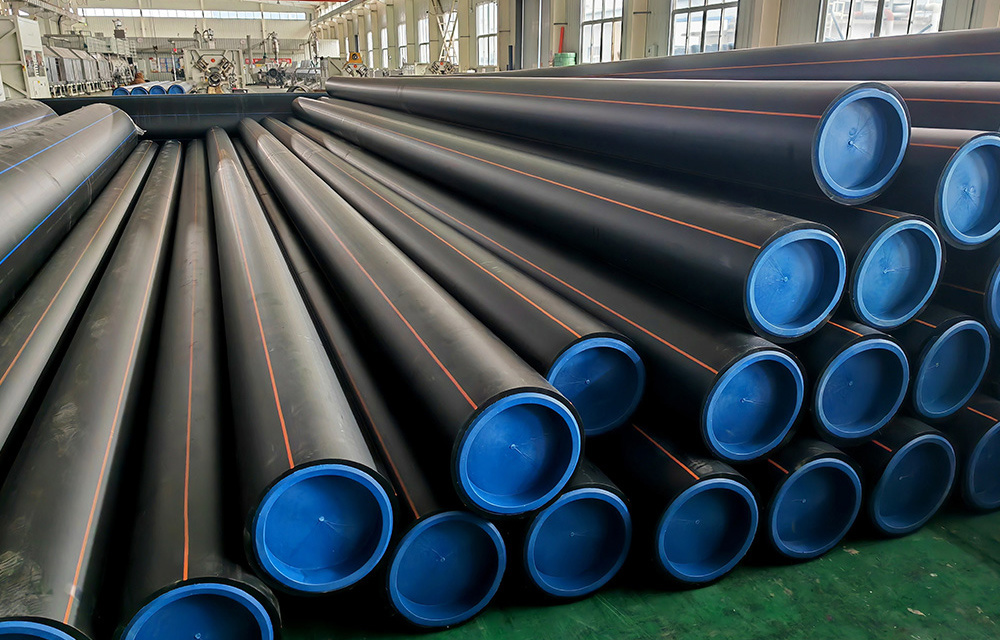
HDPE (High-Density Polyethylene) pipes have gained significant popularity in various construction and infrastructure projects, particularly in the realm of pipe jacking. This technique involves the installation of underground pipes without the need for extensive surface excavation, making it a preferred choice in urban environments where minimizing disruption is crucial. One of the primary advant
One of the primary advantages of using HDPE pipes for pipe jacking is their exceptional strength-to-weight ratio. This property allows for easier handling and installation compared to heavier materials, such as concrete or steel. The lightweight nature of HDPE enables contractors to use smaller equipment, reducing both the time and cost of installation.
Furthermore, HDPE pipes are highly resistant to a variety of chemicals, which makes them suitable for transporting potable water, sewage, and other industrial fluids. This chemical resistance extends the lifespan of the piping system and reduces the risk of leaks and environmental contamination—a critical consideration in today’s environmentally conscious society.
Another noteworthy feature of HDPE pipes is their flexibility. Unlike rigid materials, HDPE can withstand ground movements and shifting soil conditions, making it ideal for areas prone to seismic activity or soil erosion. This flexibility also reduces the risk of pipe breakage during installation, which can be a significant concern with more brittle materials.
In addition to their physical properties, HDPE pipes are also eco-friendly. They are made from recyclable materials, and their long service life contributes to reduced waste in landfills. This sustainability aspect is increasingly important for companies aiming to improve their environmental footprint and comply with greener construction practices.
When planning a pipe jacking project, it’s essential to consider not only the material’s properties but also the overall design and installation process. Proper planning involves assessing soil conditions, determining the required pipe diameter, and selecting the right jacking equipment. Working with experienced professionals who understand the nuances of HDPE piping and pipe jacking techniques can lead to successful project outcomes.
In conclusion, HDPE pipes present a reliable solution for pipe jacking applications, offering numerous benefits such as lightweight handling, chemical resistance, flexibility, and sustainability. Their use in modern construction practices not only enhances efficiency but also aligns with the growing demand for environmentally responsible materials. As the industry continues to evolve, understanding the role of HDPE pipes will be crucial for future infrastructure developments.

Customer Service Hotline
Sales Department Email
Website (Web)
Customer Service Email
Business Cooperation Email
Address
No.32 Donghai Road, Cangzhou Development Zone, Hebei Province, China
Company Address
No. 32 Donghai Road, Cangzhou Development Zone, Hebei Province, China