


13
2026
-
03
PE4710 Pipe: Elevating Safety Standards in Modern Pipeline Systems
PE4710 Pipe: Elevating Safety Standards in Modern Pipeline Systems Table of Contents 1. Introduction to PE4710 Pipe Technology 2. What is PE4710 Pipe? 3. Unmatched Benefits of Using PE4710 Pipe 4. Enhancing Safety Standards with PE4710 5. Key Applications for PE4710 Pipes 6. Durability and Longevity of PE4710 Pipes 7. Installation and Maintenance Best Practices 8.
PE4710 Pipe: Elevating Safety Standards in Modern Pipeline Systems
Table of Contents
- 1. Introduction to PE4710 Pipe Technology
- 2. What is PE4710 Pipe?
- 3. Unmatched Benefits of Using PE4710 Pipe
- 4. Enhancing Safety Standards with PE4710
- 5. Key Applications for PE4710 Pipes
- 6. Durability and Longevity of PE4710 Pipes
- 7. Installation and Maintenance Best Practices
- 8. Future Advancements in PE4710 Pipe Technology
- 9. Frequently Asked Questions
- 10. Conclusion
1. Introduction to PE4710 Pipe Technology
The pipeline industry is constantly evolving, and the introduction of advanced materials is pivotal for enhancing safety and efficiency. Among these advancements, **PE4710 pipes** have emerged as a leading choice for various applications in the energy and metallurgical sectors. This article delves deep into the features and advantages of PE4710 pipes, emphasizing how they contribute to safety standards in pipeline systems.
2. What is PE4710 Pipe?
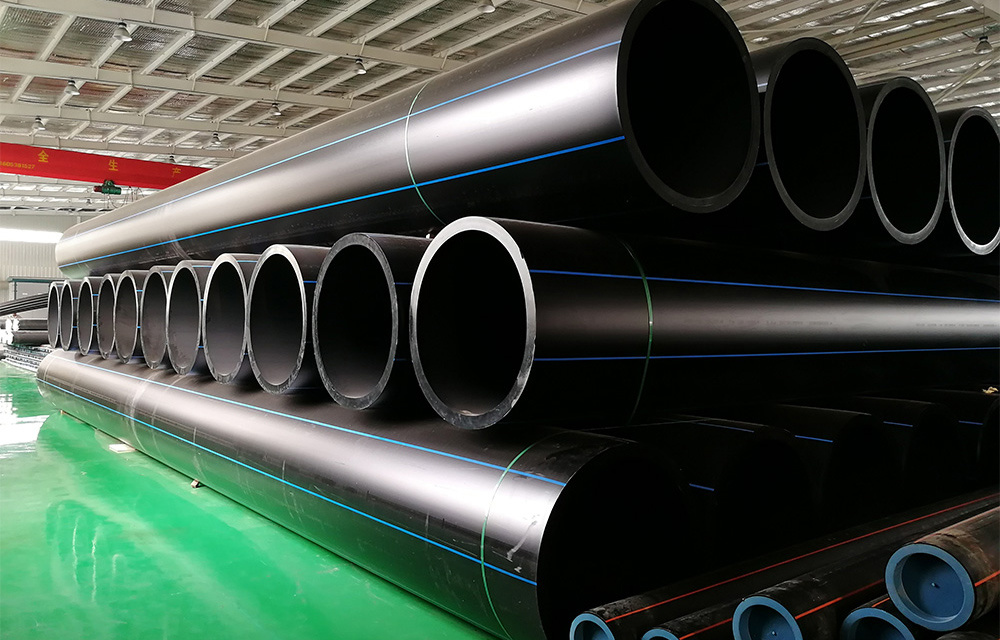
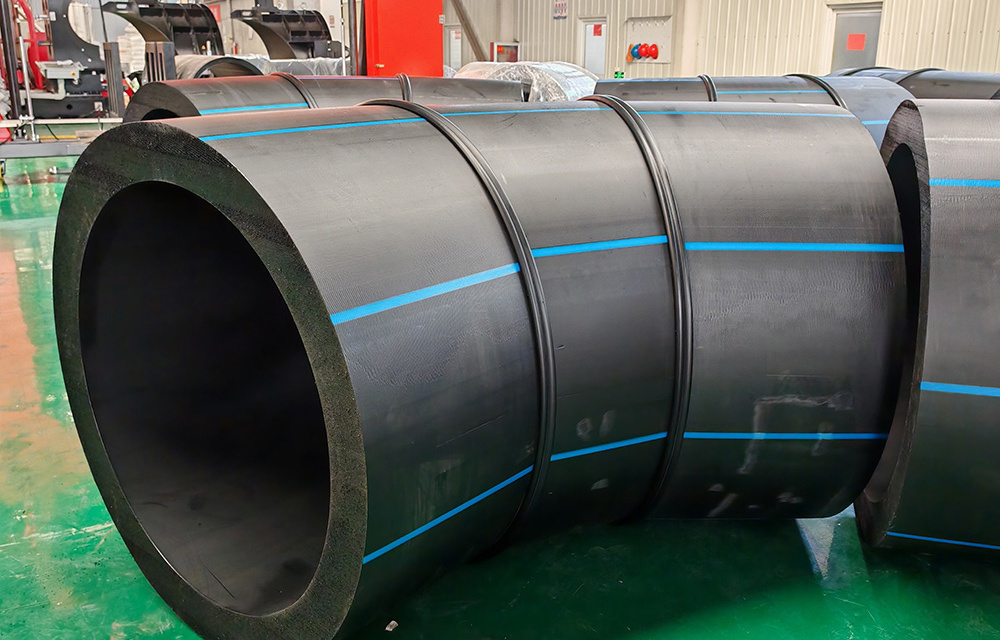
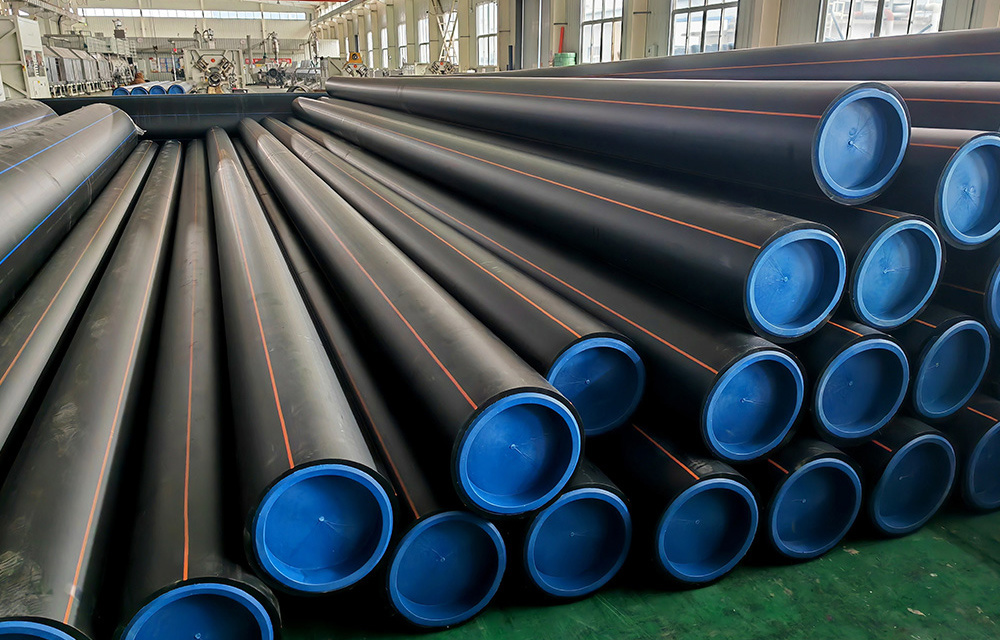
PE4710, or Polyethylene 4710, is a high-density polyethylene (HDPE) material that meets rigorous standards for pressure-rated pipe systems. Specifically designed for the transportation of gas and liquids, PE4710 pipes offer superior resistance to environmental stress cracking, making them reliable for long-term applications. Their unique molecular structure provides enhanced strength and flexibility, ensuring they can withstand harsh conditions while maintaining their integrity.
2.1 Composition and Characteristics
PE4710 pipes are manufactured from a blend of high-quality polyethylene resins which contribute to their high performance. This material exhibits excellent resistance to chemicals, corrosion, and UV radiation. Additionally, PE4710 pipes have a lower density compared to traditional materials, resulting in reduced weight and easier handling during installation.
3. Unmatched Benefits of Using PE4710 Pipe
When it comes to pipeline systems, choosing the right materials is crucial for ensuring safety, durability, and efficiency. The benefits of PE4710 pipes include:
3.1 Enhanced Safety Features
PE4710 pipes reduce the likelihood of leaks and failures, a critical aspect for safety in pipeline applications. Their robust design minimizes the risks associated with pressure surges and impacts.
3.2 Cost-Effectiveness
Despite initial investment costs, the long-term savings associated with PE4710 pipes are substantial. Their durability leads to fewer replacements and maintenance costs, making them a wise choice for pipeline operators.
3.3 Environmental Benefits
PE4710 pipes are environmentally friendly due to their recyclability. Their production process also generates lower emissions compared to traditional materials, aligning with the industry's shift towards sustainable practices.
4. Enhancing Safety Standards with PE4710
The implementation of PE4710 pipes in pipeline systems significantly enhances safety standards across various industries. The material complies with stringent regulations set forth by organizations like ASTM, providing peace of mind for operators.
4.1 Pressure Rating and Compliance
PE4710 pipes are designed to handle high-pressure applications, with ratings that exceed many conventional options. This capability ensures that pipeline operators can rely on their performance even in challenging environments.
4.2 Resistance to External Forces
The flexibility and toughness of PE4710 pipes enable them to absorb shocks and impacts, reducing the chance of catastrophic failures during extreme weather events or seismic activities.
4.2.1 Reducing the Risk of Catastrophic Failure
By minimizing the potential for leaks and ruptures, PE4710 pipes contribute to a safer environment for workers and surrounding communities. Their resilience is particularly beneficial in areas prone to natural disasters.
5. Key Applications for PE4710 Pipes
PE4710 pipes are versatile and can be used in a variety of pipeline applications, including:
5.1 Natural Gas Distribution
The natural gas industry benefits significantly from PE4710 pipes, as their durability ensures safe transportation of gas over long distances.
5.2 Water and Wastewater Management
PE4710 pipes are ideal for both potable water and wastewater systems, providing a reliable solution for municipal and industrial needs.
5.3 Industrial Applications
In industrial settings, PE4710 pipes are used for transporting chemicals and other hazardous materials, thanks to their robust resistance to corrosion and environmental stress.
6. Durability and Longevity of PE4710 Pipes
The longevity of PE4710 pipes is one of their standout features. They can last over 50 years when properly installed and maintained, making them a reliable investment for pipeline infrastructure.
6.1 Factors Affecting Longevity
While PE4710 pipes are built to last, various factors can influence their lifespan, including:
- Environmental conditions
- Quality of installation
- Type of fluids transported
7. Installation and Maintenance Best Practices
Installing PE4710 pipes requires a skilled workforce familiar with the material's properties. Proper installation techniques ensure optimal performance and longevity.
7.1 Installation Techniques
Utilizing appropriate tools and methods, such as fusion welding, enhances the connection integrity of PE4710 pipes. Proper alignment and support during installation are crucial for preventing stress and damage.
7.2 Maintenance Guidelines
Regular inspections and maintenance tasks, including checking for signs of wear or damage, are essential for ensuring the continued safety and functionality of PE4710 pipe systems.
8. Future Advancements in PE4710 Pipe Technology
As industries continue to innovate, the future of PE4710 pipes looks promising. Ongoing research and development aim to enhance the material's properties further, potentially leading to even more robust safety features.
8.1 Smart Pipeline Systems
The integration of IoT technology into pipeline systems may revolutionize how PE4710 pipes are monitored, allowing for real-time data collection and predictive maintenance, thereby enhancing safety even further.
8.2 Sustainable Practices
Future advancements in manufacturing processes may lead to even more environmentally friendly options for PE4710 pipes, aligning with global sustainability goals.
9. Frequently Asked Questions
9.1 What is the standard life expectancy of PE4710 pipes?
The life expectancy of PE4710 pipes can exceed 50 years with proper installation and maintenance.
9.2 Are PE4710 pipes suitable for all types of fluids?
Yes, PE4710 pipes are versatile and can handle a wide range of fluids, including water, gas, and various chemicals.
9.3 How do PE4710 pipes compare to traditional steel pipes?
PE4710 pipes are lighter, more flexible, and resistant to corrosion compared to traditional steel pipes, making them a safer and more cost-effective option.
9.4 What are the installation costs for PE4710 pipes?
Installation costs can vary depending on the application and location, but generally, the long-term savings in maintenance and durability offset initial costs.
9.5 How can I ensure the longevity of my PE4710 pipes?
Regular inspections, proper installation, and adherence to maintenance guidelines are key to ensuring the longevity of PE4710 pipes.
10. Conclusion
In conclusion, **PE4710 pipes** stand as a benchmark in enhancing safety standards within pipeline systems. Their unique properties, coupled with the benefits of durability and cost-effectiveness, make them an essential choice for various applications. As industries continue to prioritize safety and efficiency, PE4710 pipes will undoubtedly play a pivotal role in shaping the future of pipeline technology. By investing in PE4710, operators can ensure safer, more reliable, and environmentally sustainable pipeline systems that meet the demands of modern infrastructure.

Customer Service Hotline
Sales Department Email
Website (Web)
Customer Service Email
Business Cooperation Email
Address
No.32 Donghai Road, Cangzhou Development Zone, Hebei Province, China
Company Address
No. 32 Donghai Road, Cangzhou Development Zone, Hebei Province, China