


10
2026
-
03
Essential Insights into HDPE Pipe for Landfill Leachate Management
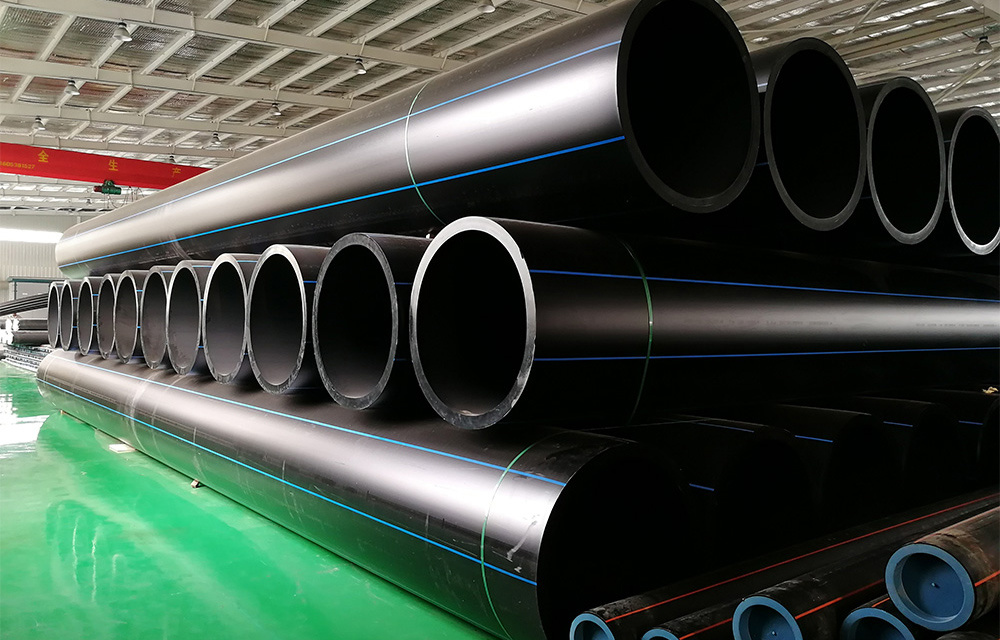
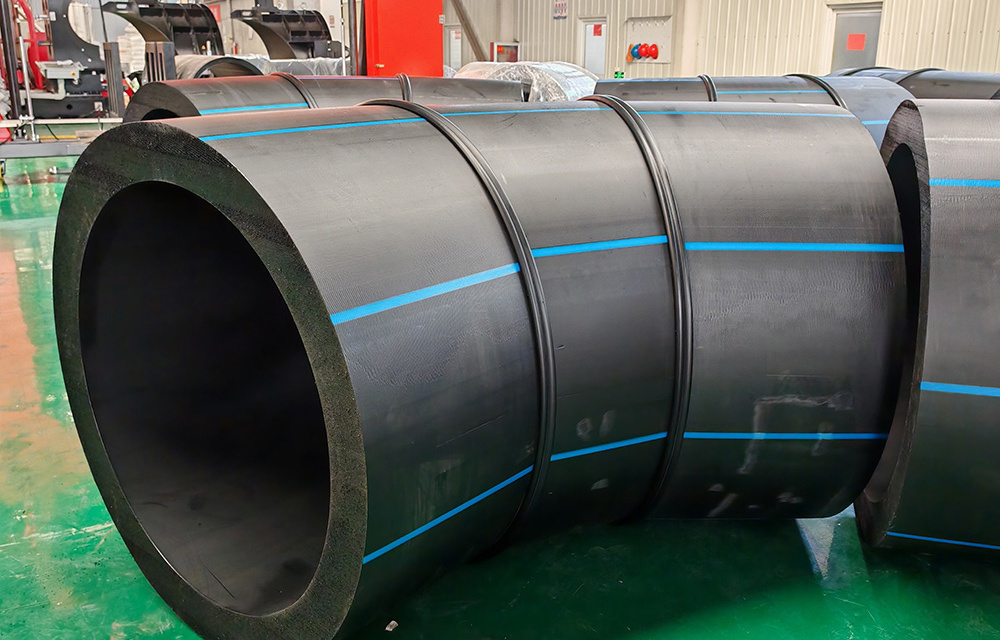
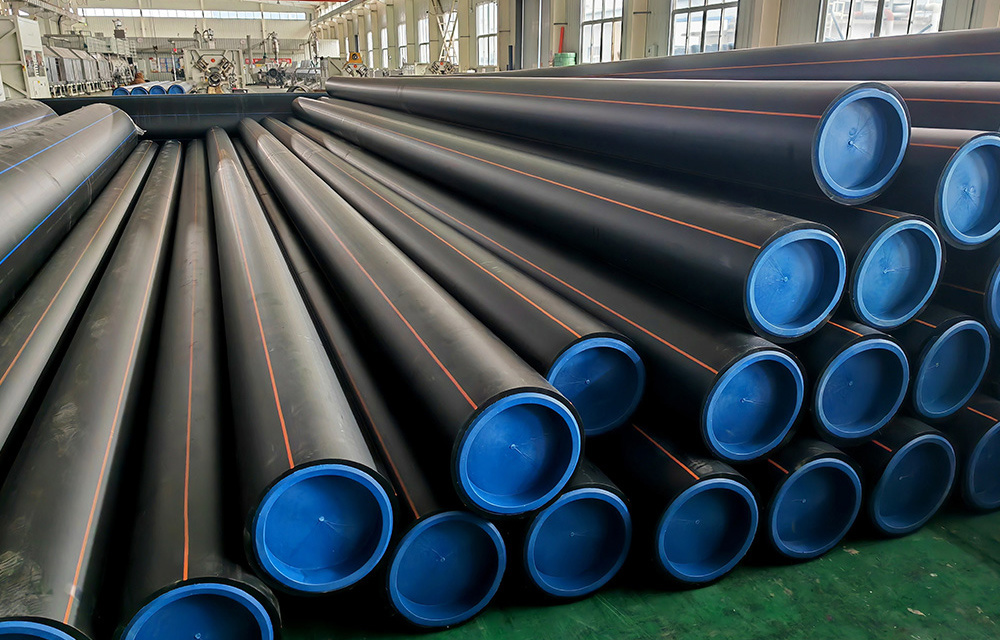
HDPE pipes have emerged as a vital component in the management of landfill leachate, a byproduct generated during the decomposition of organic materials in landfills. As leachate can be highly toxic and pose significant environmental risks, the choice of materials for its transport and treatment is crucial. Here, we explore the advantages of using HDPE pipes in this context. One of the foremost be
One of the foremost benefits of HDPE pipes is their excellent chemical resistance. Leachate contains a complex mixture of organic and inorganic contaminants, making it imperative to use materials that can withstand aggressive substances without degrading. HDPE is known for its resilience against a wide range of chemicals, including acids, bases, and salts commonly found in leachate. This resistance minimizes the risk of pipe failure and ensures the safe transport of leachate to treatment facilities.
In addition to chemical durability, HDPE pipes exhibit remarkable hydraulic performance. Their smooth internal surfaces reduce friction, allowing for efficient flow rates even in challenging conditions. This characteristic is particularly important for leachate management, as it can minimize the need for extensive pumping systems, ultimately reducing operational costs and energy consumption. Furthermore, the lightweight nature of HDPE pipes simplifies installation processes, enabling faster deployment and enhanced flexibility in landfill design.
Another significant advantage of HDPE pipes is their longevity. With a lifespan that can exceed 50 years under proper conditions, these pipes provide a long-term solution for leachate management systems. Their resistance to environmental stressors, such as UV radiation and temperature fluctuations, further enhances their durability, making them a reliable choice for landfill applications.
Moreover, HDPE pipes are environmentally friendly. They can be recycled and repurposed, aligning with modern sustainability practices. As industries increasingly prioritize eco-friendly solutions, utilizing HDPE pipes for leachate management can contribute to broader environmental goals while ensuring compliance with stringent regulations.
In conclusion, HDPE pipes offer a compelling solution for managing landfill leachate, thanks to their chemical resistance, hydraulic efficiency, longevity, and environmental sustainability. For professionals in the industrial equipment and components sector, understanding the technical implications of HDPE pipes is imperative to optimize landfill operations and protect environmental integrity. Adopting HDPE technology not only enhances operational efficiency but also aligns with global sustainability efforts, positioning organizations as leaders in responsible waste management practices.

Customer Service Hotline
Sales Department Email
Website (Web)
Customer Service Email
Business Cooperation Email
Address
No.32 Donghai Road, Cangzhou Development Zone, Hebei Province, China
Company Address
No. 32 Donghai Road, Cangzhou Development Zone, Hebei Province, China