


09
2026
-
03
The Environmental Advantages of HDPE Pipe in Geothermal Systems
The Environmental Advantages of HDPE Pipe in Geothermal Systems Table of Contents 1. Introduction to HDPE Pipes in Geothermal Systems 2. Understanding Geothermal Energy 3. What is HDPE? 3.1 Properties of HDPE 3.2 Comparison with Traditional Materials 4. Environmental Benefits of Using HDPE Pipes 4.1 Reduced Carbon Footprint 4.2 Energy Efficiency 4.3 Longevity and Durability 4
The Environmental Advantages of HDPE Pipe in Geothermal Systems
Table of Contents
1. Introduction to HDPE Pipes in Geothermal Systems
2. Understanding Geothermal Energy
3. What is HDPE?
3.1 Properties of HDPE
3.2 Comparison with Traditional Materials
4. Environmental Benefits of Using HDPE Pipes
4.1 Reduced Carbon Footprint
4.2 Energy Efficiency
4.3 Longevity and Durability
4.4 Recyclability
5. Case Studies: Successful Implementations of HDPE in Geothermal Systems
6. Challenges and Considerations
6.1 Installation Considerations
6.2 Cost Analysis
7. Future of HDPE Pipes in Geothermal Energy Systems
8. Frequently Asked Questions (FAQs)
9. Conclusion
1. Introduction to HDPE Pipes in Geothermal Systems
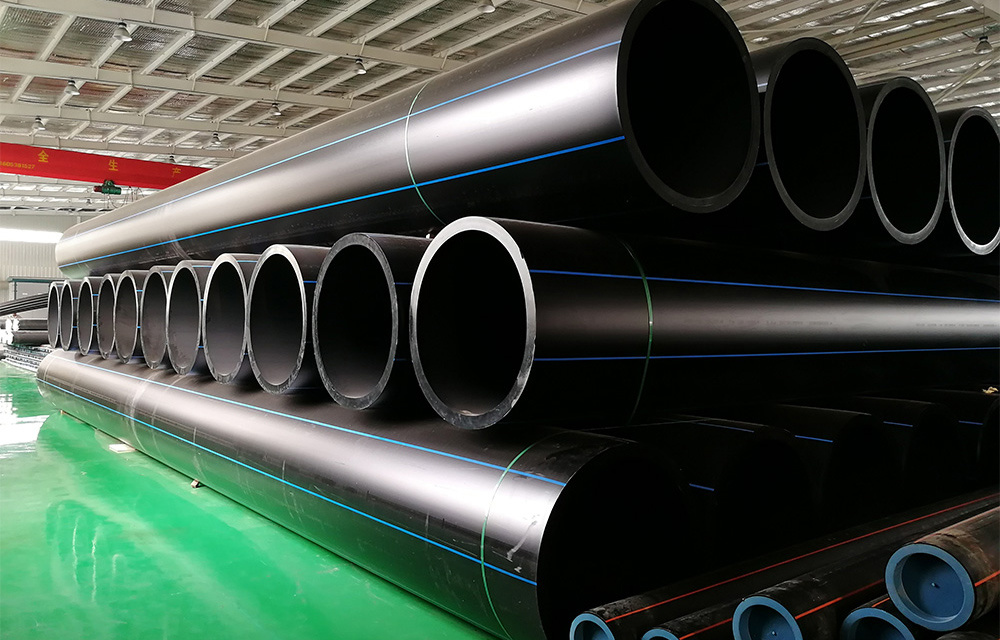
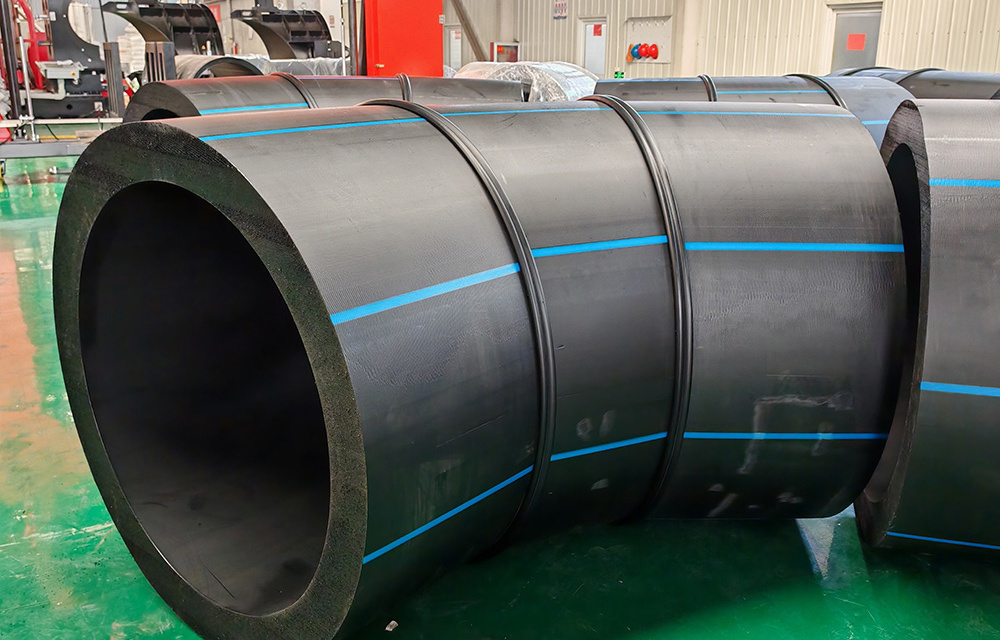
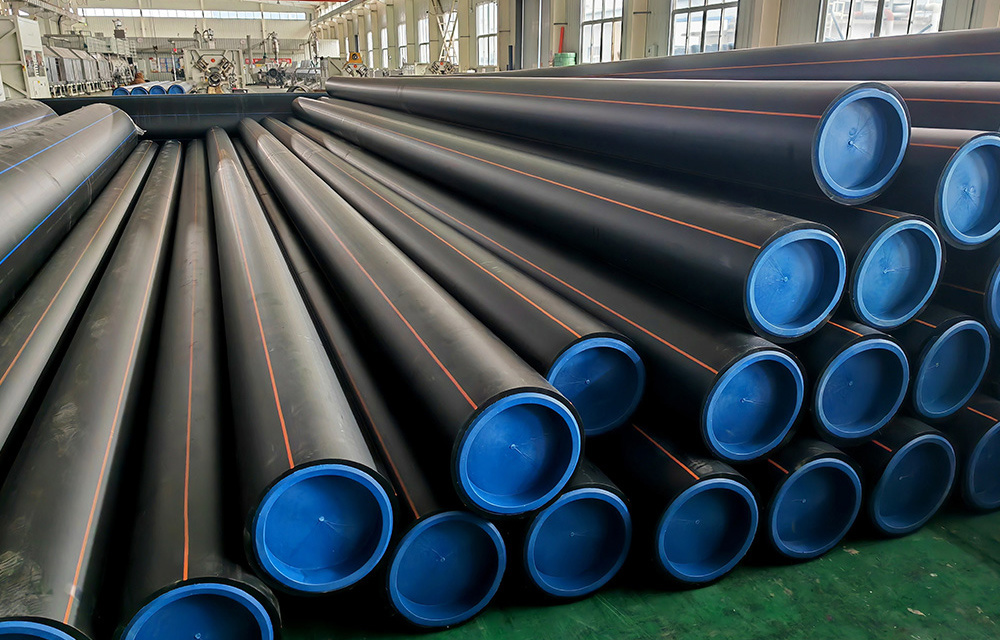
The integration of **HDPE (High-Density Polyethylene) pipes** in geothermal systems marks a significant advancement in the field of sustainable energy. As global demand for cleaner energy sources increases, understanding the environmental advantages of HDPE in geothermal applications is crucial. These pipes offer remarkable durability, resistance to corrosion, and flexibility, making them ideal for various geothermal applications, including ground source heat pumps and district heating systems.
2. Understanding Geothermal Energy
Geothermal energy is derived from the Earth's internal heat, harnessed for various applications, including electricity generation and direct heating. This renewable energy source is not only sustainable but also has a minimal environmental impact compared to fossil fuels. As we delve deeper into the **environmental advantages of HDPE pipes** within geothermal systems, it becomes evident how they enhance the overall efficiency and sustainability of geothermal installations.
3. What is HDPE?
HDPE is a thermoplastic polymer widely used in various applications due to its excellent strength-to-density ratio. This material is particularly advantageous in piping systems, where durability and reliability are paramount.
3.1 Properties of HDPE
HDPE possesses several key properties that make it suitable for geothermal applications:
- **Chemical resistance**: HDPE is resistant to a wide range of chemicals, ensuring longevity in geothermal systems.
- **Flexibility**: Its flexibility allows for easy installation in various terrains.
- **Lightweight**: Being lighter than traditional materials, HDPE reduces transportation costs and environmental impact.
3.2 Comparison with Traditional Materials
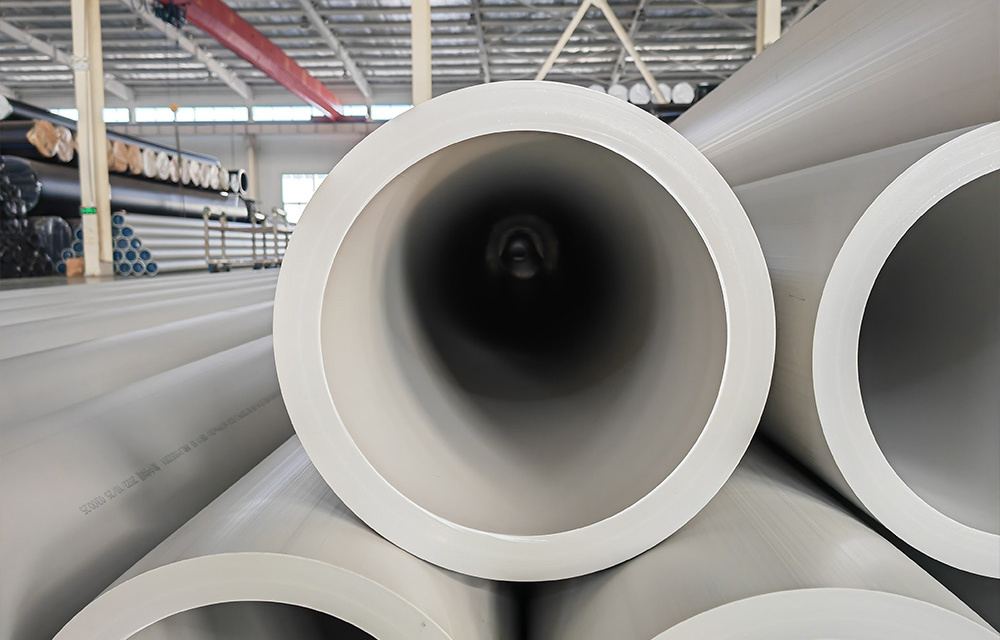
When compared to traditional materials like PVC and metal, HDPE stands out for its combination of durability, flexibility, and cost-effectiveness. While metal pipes are prone to corrosion and PVC can become brittle over time, HDPE maintains its integrity over prolonged exposure to geothermal conditions.
4. Environmental Benefits of Using HDPE Pipes
The environmental advantages of HDPE in geothermal systems are multifaceted. Let’s explore these benefits in detail.
4.1 Reduced Carbon Footprint
Using HDPE pipes significantly reduces the **carbon footprint** associated with geothermal installations. The production of HDPE requires less energy than metals, leading to lower greenhouse gas emissions during manufacturing. Moreover, HDPE's longevity means fewer replacements and lower overall emissions over the pipe's lifecycle.
4.2 Energy Efficiency
HDPE pipes enhance the energy efficiency of geothermal systems by minimizing heat loss. The excellent insulation properties of HDPE ensure that thermal energy remains within the system, leading to reduced energy consumption and improved performance.
4.3 Longevity and Durability
One of the most significant environmental advantages of HDPE pipes is their durability. They can last for over **50 years** without significant degradation, reducing the need for frequent replacements and the associated environmental impact of manufacturing and installing new pipes.
4.4 Recyclability
HDPE is fully recyclable, allowing for the repurposing of old pipes into new products. This aligns with global sustainability goals and reduces waste in landfills, further enhancing the environmental friendliness of HDPE pipes in geothermal systems.
5. Case Studies: Successful Implementations of HDPE in Geothermal Systems
Numerous projects around the world showcase the successful use of HDPE pipes in geothermal applications. For instance, in **Iceland**, a country renowned for its geothermal resources, HDPE pipes are extensively used in district heating systems. These pipes have demonstrated exceptional performance in extreme conditions, contributing to the nation’s goal of becoming carbon neutral.
Another example can be found in **California**, where HDPE is employed in ground source heat pump installations for residential and commercial buildings. The use of HDPE not only improves energy efficiency but also significantly reduces operational costs, showcasing the economic benefits alongside environmental advantages.
6. Challenges and Considerations
While HDPE pipes offer numerous benefits, there are challenges and considerations that must be addressed.
6.1 Installation Considerations
The installation of HDPE pipes requires specialized equipment and trained personnel. It is essential to ensure proper installation to leverage the material's full potential, especially in geothermal applications where the integrity of the system is crucial.
6.2 Cost Analysis
Although HDPE pipes generally have a higher upfront cost compared to traditional materials, their long-term benefits, such as reduced maintenance and replacement costs, often outweigh these initial expenses. A thorough cost analysis can help stakeholders make informed decisions about the best piping options for their geothermal projects.
7. Future of HDPE Pipes in Geothermal Energy Systems
As the demand for sustainable energy solutions grows, the future of HDPE pipes in geothermal systems looks promising. Innovations in **HDPE technology** are continuously emerging, improving performance and expanding applications. Additionally, as the industry shifts towards more eco-friendly practices, HDPE will likely play a crucial role in meeting these goals.
Research and development efforts are focused on enhancing the properties of HDPE and creating new composite materials that can further improve performance in extreme geothermal environments. As awareness of environmental issues grows, so will the adoption of HDPE in geothermal systems worldwide.
8. Frequently Asked Questions (FAQs)
**Q1: What are HDPE pipes commonly used for?**
A: HDPE pipes are widely used in various applications, including water supply, sewage systems, and geothermal systems, due to their durability and resistance to corrosion.
**Q2: How does using HDPE pipes impact the environment?**
A: HDPE pipes reduce carbon emissions, enhance energy efficiency, and are recyclable, making them an environmentally friendly option in geothermal systems.
**Q3: Are HDPE pipes expensive to install?**
A: While the initial cost of HDPE pipes may be higher than traditional materials, their long lifespan and reduced maintenance costs can lead to significant savings over time.
**Q4: Can HDPE pipes withstand high temperatures?**
A: Yes, HDPE pipes can handle a wide range of temperatures and are suitable for geothermal applications, where they are exposed to varying thermal conditions.
**Q5: What is the lifespan of HDPE pipes?**
A: HDPE pipes can last over 50 years with proper installation and maintenance, making them a long-term solution for geothermal systems.
9. Conclusion
In summary, the environmental advantages of **HDPE pipes in geothermal systems** are substantial, offering a sustainable and efficient solution for harnessing geothermal energy. Their durability, energy efficiency, and recyclability significantly contribute to reducing the overall environmental impact of geothermal installations. As the industry continues to evolve, HDPE's role in promoting sustainable practices will undoubtedly expand, making it an indispensable component of future geothermal systems. Investing in HDPE technology today will pave the way for a greener tomorrow, demonstrating our commitment to environmental stewardship and energy efficiency.

Customer Service Hotline
Sales Department Email
Website (Web)
Customer Service Email
Business Cooperation Email
Address
No.32 Donghai Road, Cangzhou Development Zone, Hebei Province, China
Company Address
No. 32 Donghai Road, Cangzhou Development Zone, Hebei Province, China