


11
2026
-
03
Understanding the Role of HDPE Pipes in Underground Construction: A Comprehensive Guide
Understanding the Role of HDPE Pipes in Underground Construction In the ever-evolving landscape of construction, especially underground projects, the demand for efficient, durable, and sustainable materials is at an all-time high. Among these materials, **High-Density Polyethylene (HDPE) pipes** have garnered significant attention due to their superior properties and benefits. This article explore
Understanding the Role of HDPE Pipes in Underground Construction
In the ever-evolving landscape of construction, especially underground projects, the demand for efficient, durable, and sustainable materials is at an all-time high. Among these materials, **High-Density Polyethylene (HDPE) pipes** have garnered significant attention due to their superior properties and benefits. This article explores the various facets of HDPE pipes, highlighting their role in underground construction and the factors that make them indispensable in modern engineering practices.
Table of Contents
- What Are HDPE Pipes?
- Key Properties of HDPE Pipes
- Advantages of HDPE Pipes in Underground Construction
- HDPE Pipe Applications in Underground Projects
- Installation Techniques for HDPE Pipes
- Maintenance of HDPE Pipes
- Environmental Impacts of HDPE Pipes
- The Future of HDPE Pipes in Construction
- FAQs About HDPE Pipes
What Are HDPE Pipes?
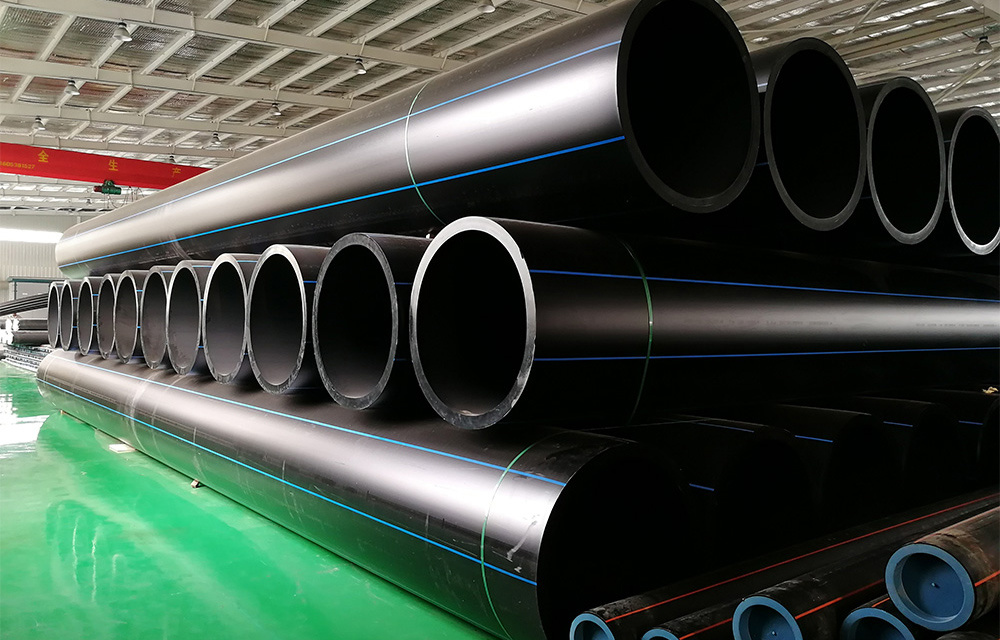
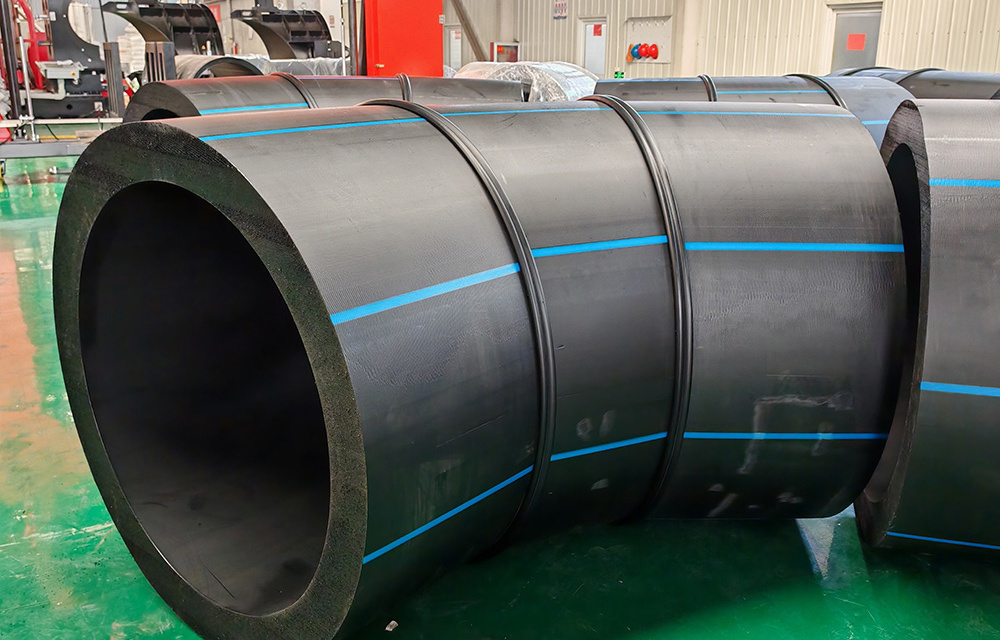
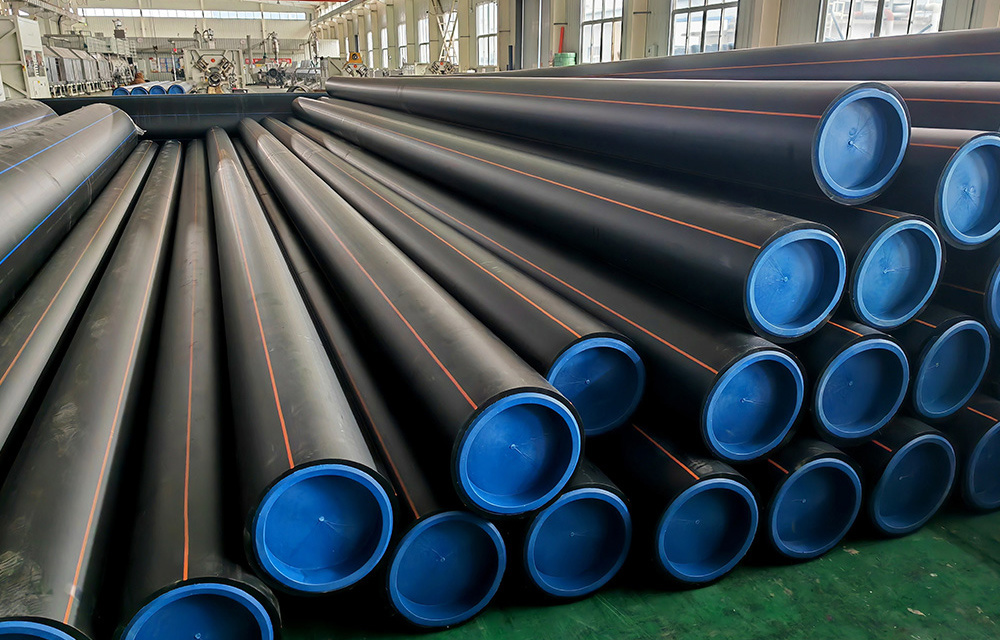
HDPE pipes, or **High-Density Polyethylene pipes**, are widely recognized for their strength, flexibility, and resistance to corrosion. Made from high-density polyethylene, these pipes are engineered to withstand high pressures and harsh environmental conditions. They are a popular choice for various applications, including water supply, wastewater management, and gas distribution, particularly in underground construction.
Composition and Manufacturing Process
The manufacturing of HDPE pipes involves the extrusion of polyethylene resin, which is then formed into pipes of varying diameters and lengths. The process ensures a high degree of uniformity and quality control, making HDPE pipes a reliable choice for engineers and contractors alike.
Key Properties of HDPE Pipes
Understanding the properties of HDPE pipes is crucial for recognizing their suitability in underground construction. Here are some of the key attributes:
1. Durability
HDPE pipes are known for their long lifespan, often exceeding **50 years** with proper installation and maintenance. Their resistance to corrosion and degradation makes them ideal for subterranean applications.
2. Flexibility
The flexibility of HDPE pipes allows them to bend without breaking, making them perfect for installation in challenging terrains. This characteristic reduces the need for fittings and joints, minimizing potential leak points.
3. Lightweight
Compared to traditional materials like concrete and steel, HDPE pipes are significantly lighter. This property makes transportation and installation easier, reducing labor costs and time on-site.
4. Chemical Resistance
HDPE pipes exhibit excellent resistance to a wide range of chemicals, making them suitable for various industrial applications, including chemical transport and wastewater management.
Advantages of HDPE Pipes in Underground Construction
The advantages of using HDPE pipes in underground construction extend beyond their physical properties. Here are some notable benefits:
1. Cost-Effectiveness
Although the initial investment may be higher than traditional materials, the longevity and low maintenance of HDPE pipes lead to significant cost savings over their lifecycle.
2. Reduced Installation Time
The lightweight nature and easy handling of HDPE pipes contribute to faster installation times, which is particularly beneficial in projects with tight deadlines.
3. Enhanced Flow Efficiency
With smooth inner surfaces, HDPE pipes facilitate better flow rates and reduced friction losses, ensuring optimal performance in fluid transport systems.
4. Sustainability
HDPE is 100% recyclable, contributing to lower environmental impact. The use of recycled materials in manufacturing further promotes sustainability in construction practices.
HDPE Pipe Applications in Underground Projects
HDPE pipes find extensive applications in various underground construction projects:
1. Water Supply Systems
HDPE pipes are commonly used for potable water supply systems, ensuring clean water delivery with minimal contamination risks.
2. Sewer and Wastewater Systems
Due to their corrosion resistance, HDPE pipes are ideal for sewer and stormwater systems, preventing leaks and environmental contamination.
3. Gas Distribution
HDPE pipes are also employed in natural gas distribution networks, providing a safe method for transporting gas underground.
4. Telecommunications
HDPE ducts are utilized for housing cables and conduits, protecting them from environmental factors while facilitating easy access for maintenance.
Installation Techniques for HDPE Pipes
Proper installation is critical to ensure the longevity and efficiency of HDPE pipes. Here are common techniques used in the installation process:
1. Trench Installation
The most traditional method involves excavating a trench to lay the pipes. This technique requires careful planning to ensure proper depth and alignment.
2. Horizontal Directional Drilling (HDD)
HDD is a trenchless method that minimizes surface disruption. This technique is suitable for installing HDPE pipes under roads, rivers, and other obstacles.
3. Open Cut Installation
This method involves removing soil to create a trench, allowing for direct access to the pipe. It is efficient for shorter runs but can be disruptive to the surrounding environment.
Maintenance of HDPE Pipes
While HDPE pipes require minimal maintenance, regular inspections and assessments are essential to ensure their performance over time:
1. Regular Inspections
Conducting periodic inspections helps identify any potential issues, such as leaks or blockages, allowing for timely interventions.
2. Cleaning Procedures
Depending on the application, HDPE pipes may require cleaning to prevent buildup and maintain optimal flow rates. Various techniques, including water flushing and mechanical cleaning, can be employed.
Environmental Impacts of HDPE Pipes
The use of HDPE pipes has several environmental benefits, contributing to sustainable construction practices:
1. Reduced Carbon Footprint
HDPE pipes are produced with lower energy consumption compared to traditional materials, translating to reduced greenhouse gas emissions.
2. Recyclability
At the end of their lifecycle, HDPE pipes can be recycled into new products, promoting a circular economy in the construction industry.
The Future of HDPE Pipes in Construction
As the construction industry continues to evolve, the role of HDPE pipes is expected to grow. Innovations in manufacturing technology and increasing emphasis on sustainable practices will likely enhance their adoption in various projects. Additionally, the integration of smart technologies to monitor and manage pipe systems could further increase efficiency and reliability.
FAQs About HDPE Pipes
1. What is the lifespan of HDPE pipes?
The lifespan of HDPE pipes can exceed **50 years** with proper installation and maintenance.
2. Are HDPE pipes suitable for drinking water?
Yes, HDPE pipes are commonly used for potable water applications due to their non-toxic nature and resistance to corrosion.
3. Can HDPE pipes be recycled?
Absolutely! HDPE is fully recyclable, contributing to environmental sustainability.
4. How do HDPE pipes compare to PVC pipes?
HDPE pipes have superior flexibility and strength compared to PVC pipes, making them more suitable for underground applications.
5. What is the cost difference between HDPE and traditional pipes?
While HDPE pipes might have a higher upfront cost, their long lifespan and low maintenance needs can result in lower overall costs in the long run.
Conclusion
HDPE pipes have revolutionized underground construction with their myriad benefits, including durability, flexibility, and sustainability. Their wide range of applications makes them a preferred choice for engineers and contractors aiming to meet modern infrastructure demands. As we move forward, the continued innovation and adaptation of HDPE technology promise to further enhance their role in creating efficient and eco-friendly construction solutions. Understanding the significance of HDPE pipes is crucial for industry professionals seeking to optimize their projects and ensure long-lasting results.

Customer Service Hotline
Sales Department Email
Website (Web)
Customer Service Email
Business Cooperation Email
Address
No.32 Donghai Road, Cangzhou Development Zone, Hebei Province, China
Company Address
No. 32 Donghai Road, Cangzhou Development Zone, Hebei Province, China