


05
2026
-
03
Innovative Uses of HDPE Pipe in Leachate Management Strategies
Innovative Uses of HDPE Pipe in Leachate Management Strategies Introduction to Leachate Management Leachate, the liquid that drains or 'leaches' from a landfill, is a significant environmental concern. When waste decomposes, it releases harmful substances, which can contaminate groundwater and soil. Effective leachate management is critical for mitigating these risks and ensuring ecological safety
Innovative Uses of HDPE Pipe in Leachate Management Strategies
Introduction to Leachate Management
Leachate, the liquid that drains or 'leaches' from a landfill, is a significant environmental concern. When waste decomposes, it releases harmful substances, which can contaminate groundwater and soil. Effective leachate management is critical for mitigating these risks and ensuring ecological safety. This is where **High-Density Polyethylene (HDPE) pipes** come into play as an innovative solution.
Understanding HDPE Pipe Technology
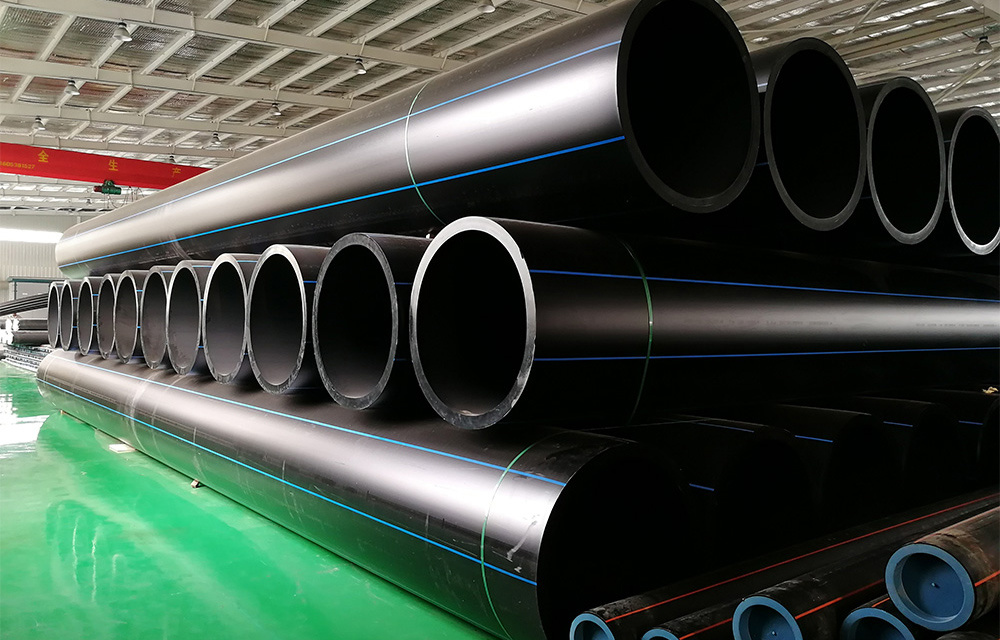
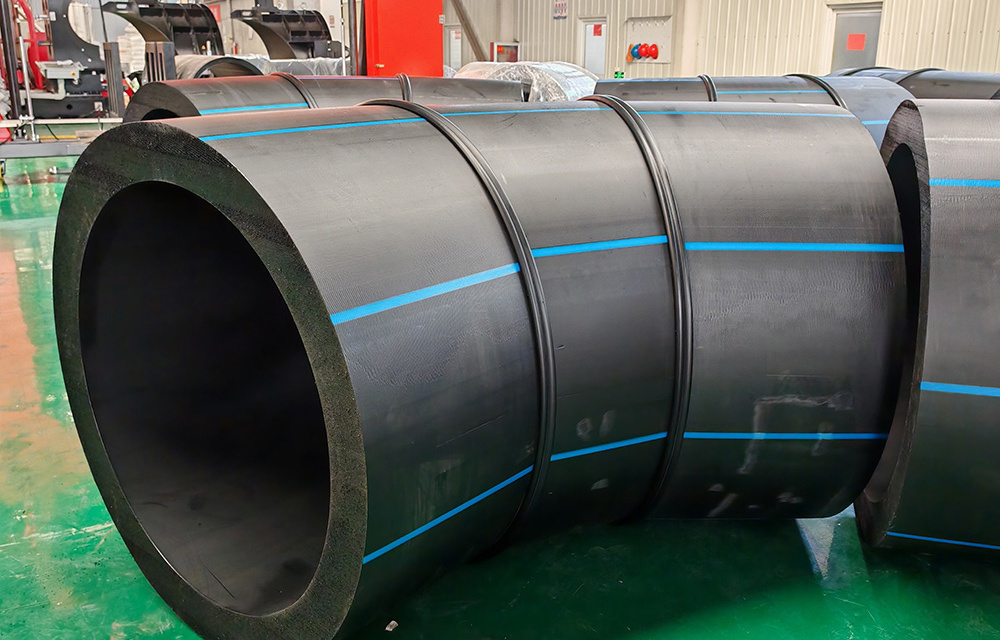
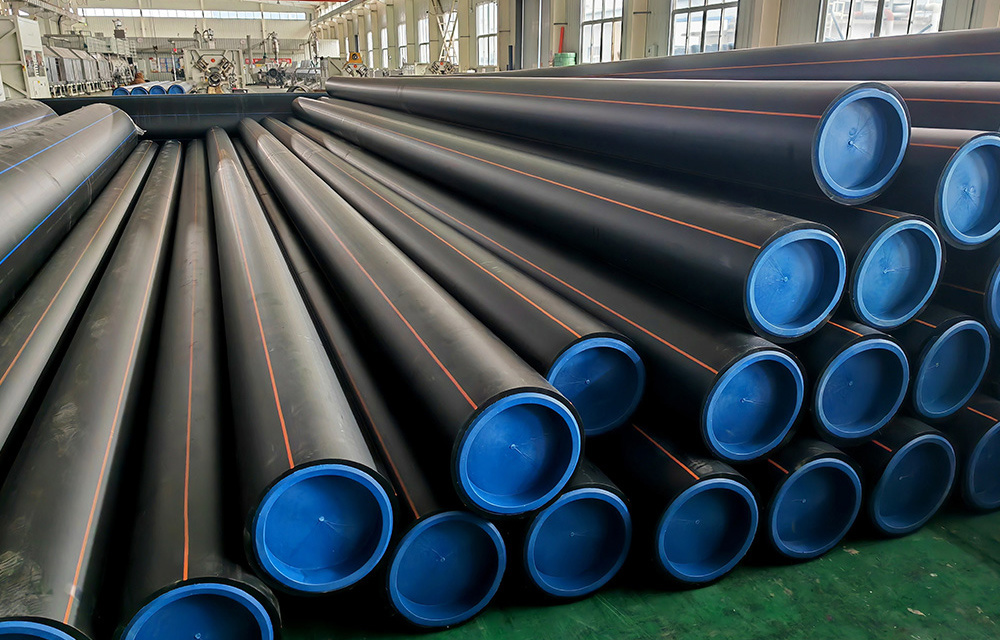
HDPE pipe is renowned for its durability, flexibility, and resistance to chemical corrosion. These properties make it ideal for various applications, including leachate management. HDPE pipes can withstand harsh environmental conditions, ensuring longevity and reliability.
Key Advantages of HDPE Pipes
1. **Chemical Resistance**: HDPE pipes exhibit excellent resistance to a wide range of chemicals, making them suitable for transporting leachate without risk of degradation.
2. **Flexibility**: The flexibility of HDPE allows for easy installation in various environments, adapting to changing land contours and minimizing the need for joints.
3. **Cost-Effectiveness**: Compared to traditional piping materials, HDPE offers lower installation and maintenance costs, thereby reducing the overall expenses of leachate management systems.
4. **Lightweight**: The lightweight nature of HDPE makes it easier to transport and install, resulting in faster project completion times.
Innovative Applications of HDPE Pipes in Leachate Management
1. Leachate Collection Systems
HDPE pipes are foundational in leachate collection systems. They are strategically placed beneath landfills to collect and transport leachate to treatment facilities. The seamless joints of HDPE pipes minimize the risk of leaks, ensuring that hazardous liquids do not escape into the surrounding environment.
2. Leachate Recirculation
Innovative leachate recirculation systems utilize HDPE pipes to redirect leachate back into the landfill. This process accelerates waste decomposition and reduces the volume of leachate produced, ultimately enhancing the efficiency of waste management practices.
3. Groundwater Protection Barriers
HDPE pipes can serve as part of impermeable barriers designed to protect groundwater from leachate contamination. These barriers are crucial in areas where landfill sites are located near water sources, providing a safeguard against potential environmental hazards.
4. Treatment Facility Integration
In leachate treatment facilities, HDPE pipes are used to transport leachate from collection points to treatment systems. Their chemical resistance ensures that the leachate can be processed without damaging the infrastructure.
Best Practices for Implementing HDPE in Leachate Management
1. Proper Installation Techniques
It's crucial to follow best practices during the installation of HDPE pipes. Proper trenching, bedding, and backfilling techniques can significantly enhance the performance and longevity of the piping system.
2. Regular Maintenance and Inspection
Although HDPE pipes are durable, regular maintenance and inspection are essential. Implementing a routine check-up schedule helps identify potential issues before they escalate, ensuring the effective management of leachate.
3. Choosing the Right Pipe Specification
Selecting the correct HDPE pipe specification based on the specific leachate characteristics is vital. Consider factors such as pressure ratings and pipe diameter to optimize performance and efficiency.
Environmental Benefits of Using HDPE in Leachate Management
1. Reduction of Contaminants
By effectively managing leachate with HDPE pipes, the risk of contaminants entering groundwater reserves significantly decreases. This directly contributes to cleaner, safer drinking water sources.
2. Lower Carbon Footprint
Utilizing HDPE pipes can lead to reduced energy consumption during both installation and operation phases. Their lightweight nature reduces transportation emissions, aligning with sustainability goals.
3. Enhanced Waste Management Practices
The adaptability of HDPE pipes allows for the creation of innovative waste management solutions. By improving leachate management, we can enhance overall landfill operations and promote environmental responsibility.
Future Innovations in HDPE Pipe Technology for Leachate Management
Emerging technologies in HDPE pipe manufacturing are paving the way for even more robust solutions in leachate management. Developments such as advanced jointing techniques and smart monitoring systems are set to enhance the efficiency of leachate management systems.
1. Smart Monitoring Systems
The integration of sensors and IoT technology with HDPE piping systems can provide real-time data on leachate levels, flow rates, and potential leaks. These smart systems enable better decision-making and proactive maintenance approaches.
2. Biodegradable Additives
Research into biodegradable additives for HDPE pipes is underway. These innovations may lead to more environmentally friendly products without compromising performance, further reducing the ecological impact of waste management systems.
Challenges and Considerations in Using HDPE Pipes
1. Initial Cost Implications
While the long-term benefits of HDPE pipes are substantial, the initial investment can be higher than traditional materials. However, the total cost of ownership, considering maintenance and durability, often makes HDPE the more economical choice.
2. Regulatory and Compliance Issues
Navigating the regulatory landscape surrounding leachate management can be complex. It’s essential to ensure that the use of HDPE pipes complies with local environmental regulations to avoid legal complications.
3. Training and Knowledge Requirements
Implementing HDPE pipes successfully requires skilled professionals who understand the materials and installation techniques. Training programs are essential to equip teams with the necessary knowledge to handle these innovative systems.
FAQs about HDPE Pipes in Leachate Management
1. What is HDPE pipe, and why is it used in leachate management?
HDPE pipe is a durable, flexible piping material used in various applications, including leachate management, due to its chemical resistance and longevity.
2. How does HDPE pipe improve leachate collection systems?
HDPE pipes provide seamless joints that minimize leak risks, ensuring efficient collection and transport of leachate to treatment facilities.
3. Are there any environmental benefits to using HDPE pipes?
Yes, HDPE pipes help reduce contaminants in groundwater and lower the carbon footprint associated with landfill operations.
4. What are the best practices for installing HDPE pipes?
Proper trenching, bedding, and adherence to installation guidelines are critical for maximizing the effectiveness and durability of HDPE pipes.
5. What future developments can we expect in HDPE pipe technology?
Innovations include smart monitoring systems and the potential introduction of biodegradable additives, enhancing the performance and environmental sustainability of HDPE pipes.
Conclusion
The innovative uses of **HDPE pipes in leachate management strategies** represent a significant advancement in environmental protection and waste management. With their durability, cost-effectiveness, and environmental benefits, HDPE pipes are paving the way for more efficient leachate management systems. As we look to the future, continued innovations will only enhance their role in protecting our ecosystems and ensuring sustainable waste management practices.

Customer Service Hotline
Sales Department Email
Website (Web)
Customer Service Email
Business Cooperation Email
Address
No.32 Donghai Road, Cangzhou Development Zone, Hebei Province, China
Company Address
No. 32 Donghai Road, Cangzhou Development Zone, Hebei Province, China