


06
2026
-
03
Enhancing Infrastructure with HDPE Pipes for Pipe Jacking: A Comprehensive Overview
--- High-Density Polyethylene (HDPE) pipes have gained prominence in various industrial applications, particularly in the realm of pipe jacking. This method, which involves the installation of pipes underground without the need for extensive excavation, presents numerous benefits when utilizing HDPE materials. One of the key advantages of HDPE pipes for pipe jacking is their exceptional strength-
High-Density Polyethylene (HDPE) pipes have gained prominence in various industrial applications, particularly in the realm of pipe jacking. This method, which involves the installation of pipes underground without the need for extensive excavation, presents numerous benefits when utilizing HDPE materials.
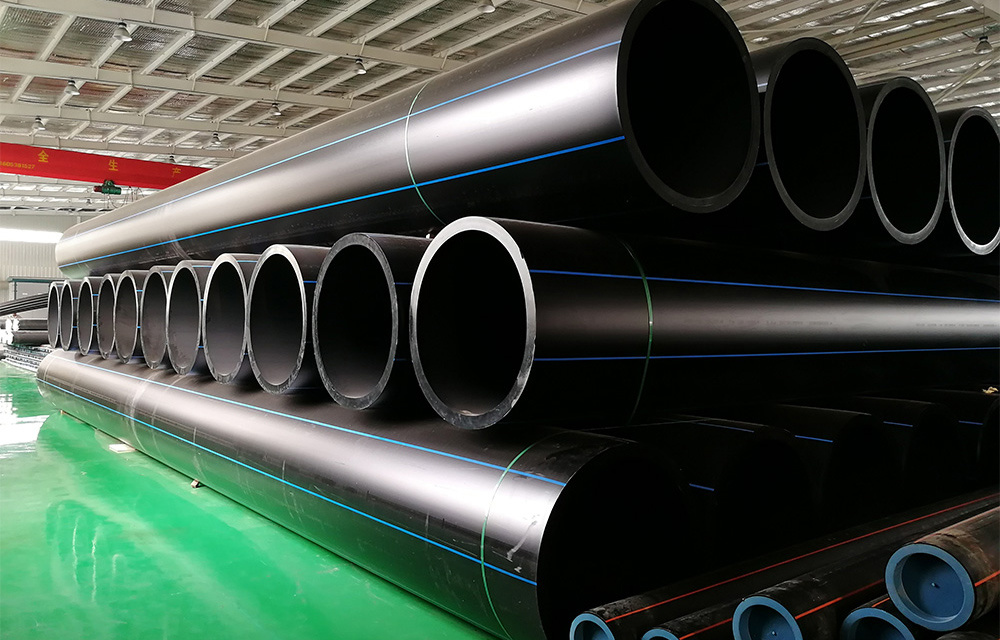
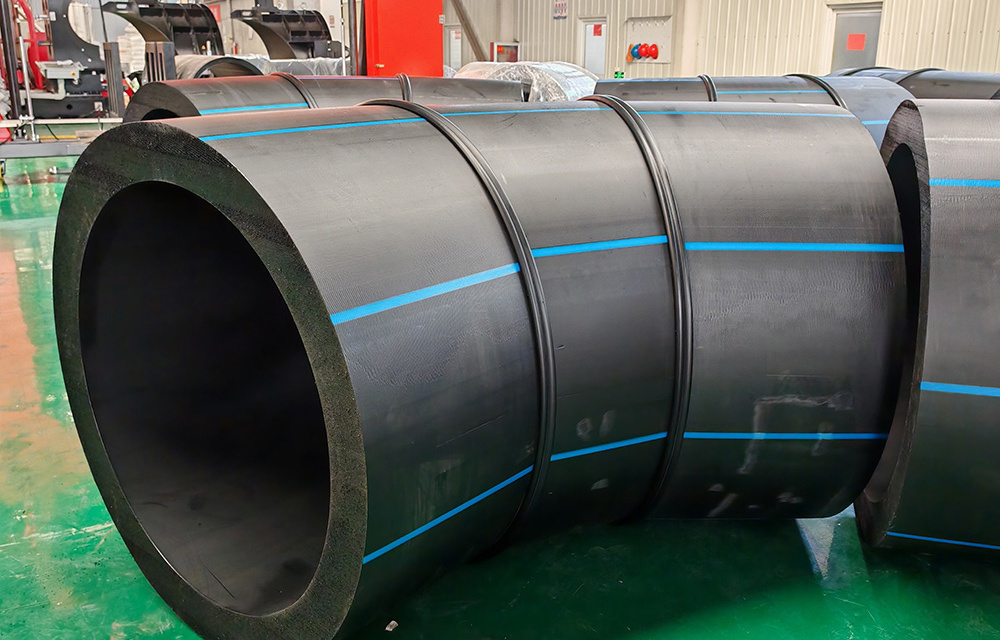
One of the key advantages of HDPE pipes for pipe jacking is their exceptional strength-to-weight ratio. This characteristic allows for easier handling and installation, especially in challenging environments. The flexibility of HDPE pipes also contributes to their effectiveness in traversing obstacles or navigating bends in underground pathways. This adaptability is particularly valuable in urban environments, where existing infrastructure can complicate traditional installation methods.
Moreover, HDPE pipes are resistant to a wide range of chemicals, corrosion, and environmental stressors. This durability ensures that once installed, the pipes can maintain their performance over extended periods, minimizing the need for repairs or replacements. This long lifespan translates to significant cost savings for projects that require extensive underground piping systems.
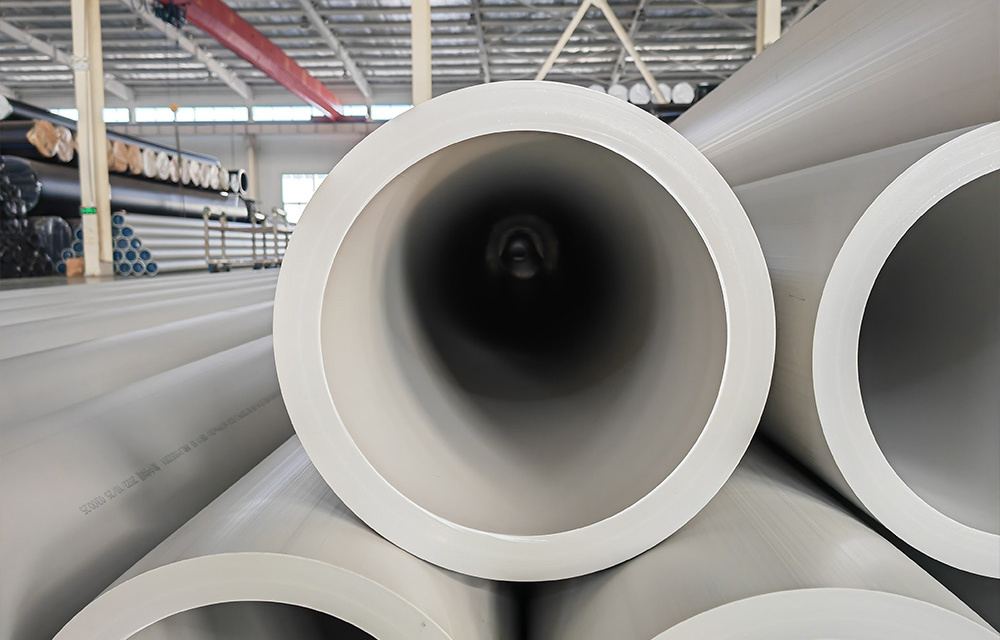
In addition to their resilience, HDPE pipes are also known for their smooth internal surfaces, which reduce friction and promote efficient fluid flow. This property is particularly advantageous in applications involving water, sewage, and other transport liquids, as it can enhance overall system performance and reduce energy consumption associated with pumping.
Sustainability is another critical consideration in modern infrastructure projects, and HDPE pipes offer a compelling solution. They are made from recyclable materials, and their long service life contributes to a reduced ecological footprint. Additionally, the use of pipe jacking techniques with HDPE reduces surface disruption and minimizes environmental impact, aligning with contemporary goals of sustainable construction.
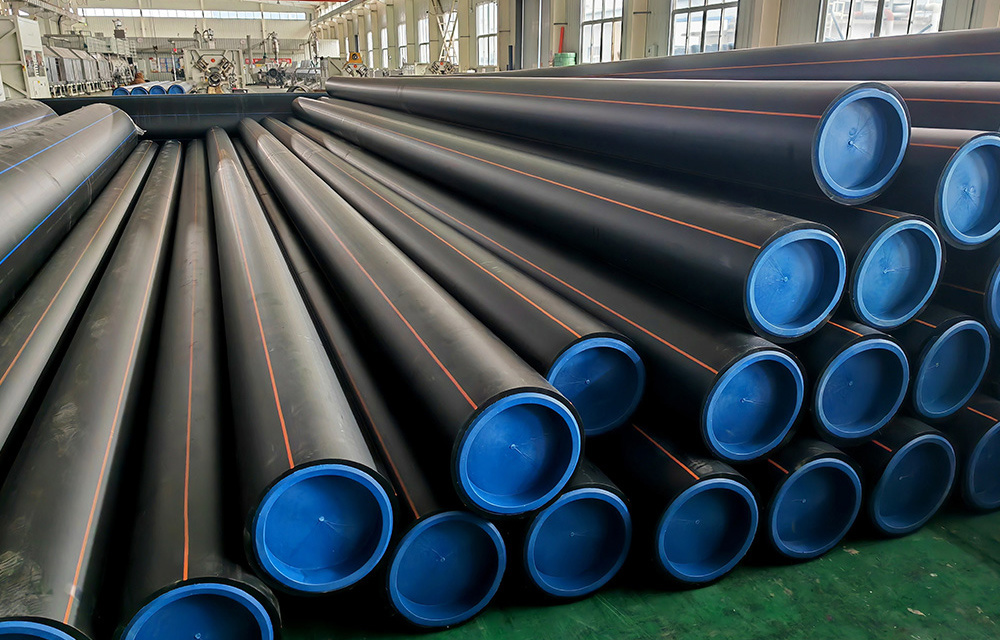
When planning a pipe jacking project, it is essential to assess the specific requirements of the application to ensure the correct HDPE pipe diameter, wall thickness, and grade are selected. Consulting with engineers and industry experts can provide invaluable insights into best practices and design considerations tailored to the project’s unique challenges.
In conclusion, HDPE pipes present a robust and efficient solution for pipe jacking applications. Their combination of strength, flexibility, chemical resistance, and sustainability makes them an ideal choice for modern underground infrastructure projects. By leveraging the advantages of HDPE materials, stakeholders can enhance the effectiveness and longevity of their piping systems while contributing positively to environmental stewardship.

Customer Service Hotline
Sales Department Email
Website (Web)
Customer Service Email
Business Cooperation Email
Address
No.32 Donghai Road, Cangzhou Development Zone, Hebei Province, China
Company Address
No. 32 Donghai Road, Cangzhou Development Zone, Hebei Province, China