


04
2026
-
03
Exploring the Benefits of HDPE Pipes in Geothermal Systems
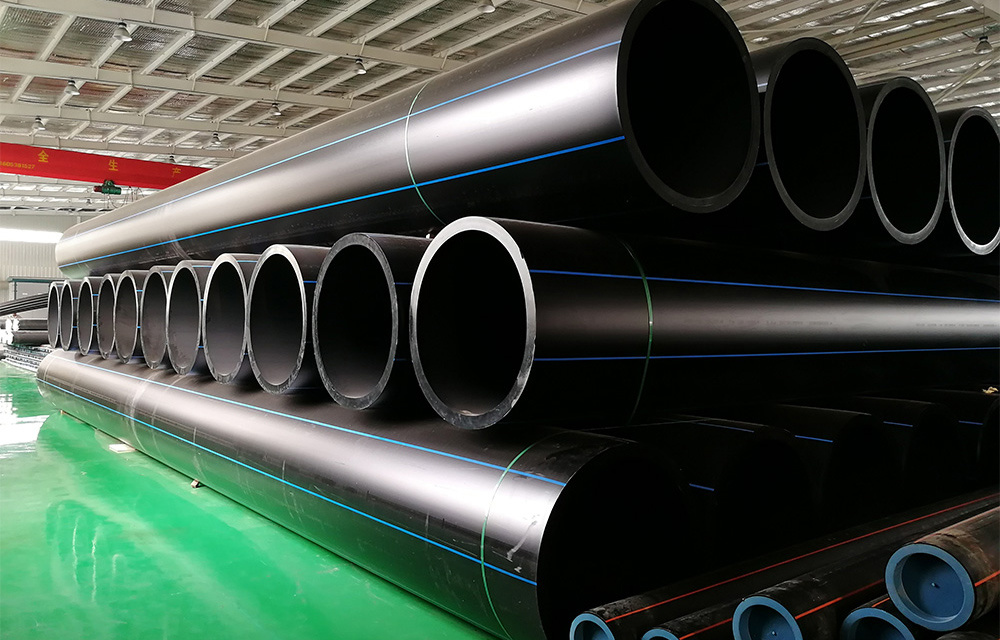
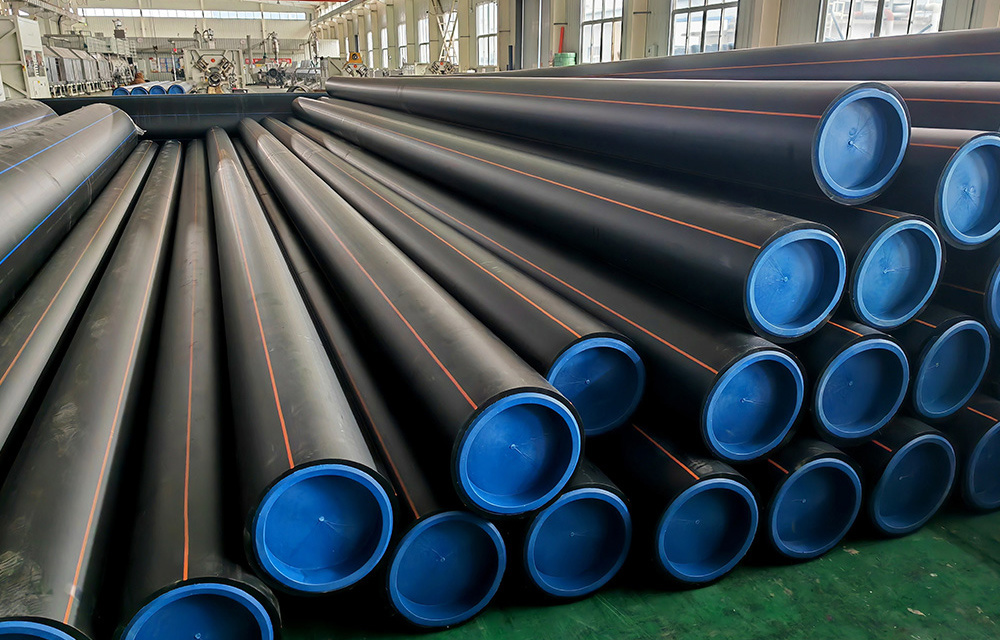
High-Density Polyethylene (HDPE) pipes are increasingly being recognized as a vital component in geothermal systems due to their unique attributes that enhance the efficiency and longevity of these installations. Geothermal systems harness the earth's natural heat to provide sustainable heating and cooling solutions, making the choice of materials crucial for their optimal performance. One of the
One of the primary advantages of HDPE pipes is their excellent resistance to corrosion and chemical degradation. Unlike traditional materials, such as metal or concrete, HDPE does not rust or corrode when exposed to various soil or water conditions, which is especially critical in geothermal applications where pipes are buried underground. This resistance not only extends the lifespan of the piping system but also minimizes maintenance costs, ensuring that the geothermal system operates effectively for years to come.
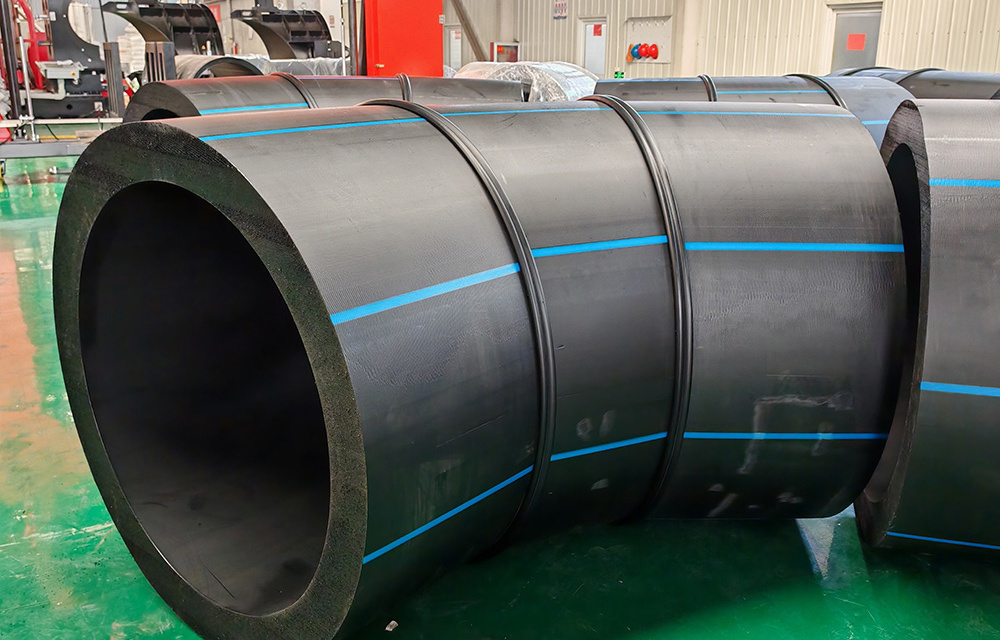
Another significant benefit of HDPE pipes is their flexibility and ease of installation. The lightweight nature of HDPE makes it simpler to transport and handle during installation, reducing labor costs and time. Furthermore, the flexibility of HDPE allows for easier routing of pipes in complex installations, minimizing the need for joints and fittings. This seamless design reduces potential leak points, enhancing system reliability and efficiency.
HDPE pipes also excel in thermal conductivity, which is essential in geothermal systems. Their ability to efficiently transfer heat between the ground and the building ensures optimal energy utilization, leading to lower operational costs. Additionally, their insulation properties help maintain the temperature of the fluid within the pipes, further improving the overall efficiency of the geothermal system.
Environmental sustainability is another critical aspect of using HDPE pipes in geothermal applications. Made from recyclable materials, HDPE contributes to eco-friendly practices within the industry. By utilizing geothermal energy, businesses and homeowners can significantly reduce their carbon footprint, aligning with global sustainability goals while benefiting from energy savings.
Moreover, the versatility of HDPE pipes offers a broad range of applications beyond geothermal systems. They can be used in various industries, including water distribution, sewage systems, and industrial applications, making them a valuable investment for companies looking to enhance their infrastructure with reliable and long-lasting materials.
In summary, the integration of HDPE pipes into geothermal systems offers numerous advantages, from their resistance to corrosion and ease of installation to their thermal efficiency and sustainability. As the demand for renewable energy solutions continues to grow, HDPE pipes stand out as a smart choice for professionals seeking durable and efficient options in their geothermal projects. Engaging with these innovative materials can help ensure successful and environmentally conscious installations.

Customer Service Hotline
Sales Department Email
Website (Web)
Customer Service Email
Business Cooperation Email
Address
No.32 Donghai Road, Cangzhou Development Zone, Hebei Province, China
Company Address
No. 32 Donghai Road, Cangzhou Development Zone, Hebei Province, China