


28
2026
-
02
Optimizing HDPE Pipe Solutions for Efficient Landfill Leachate Management
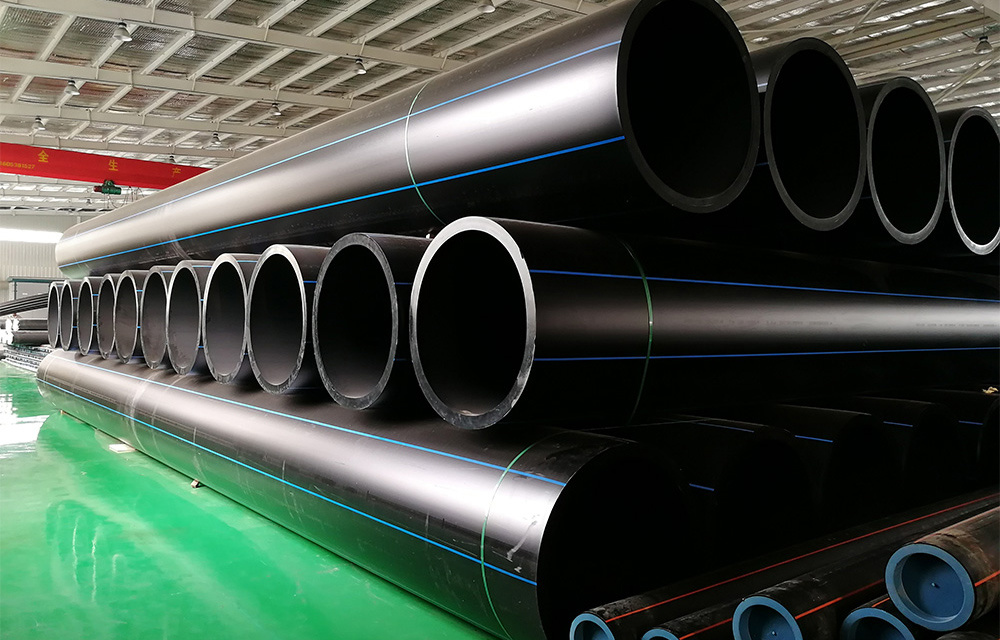
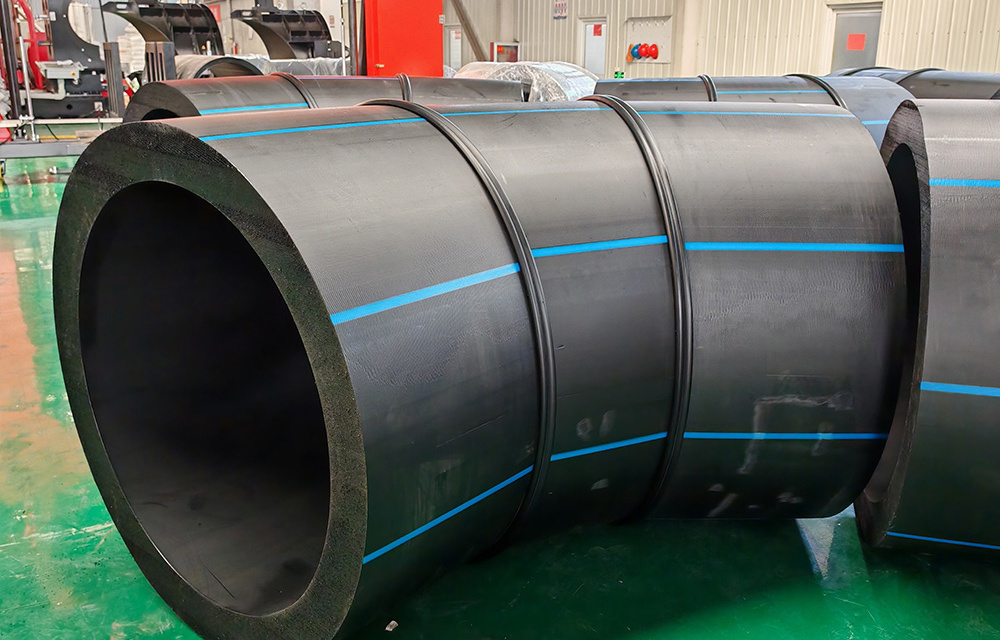
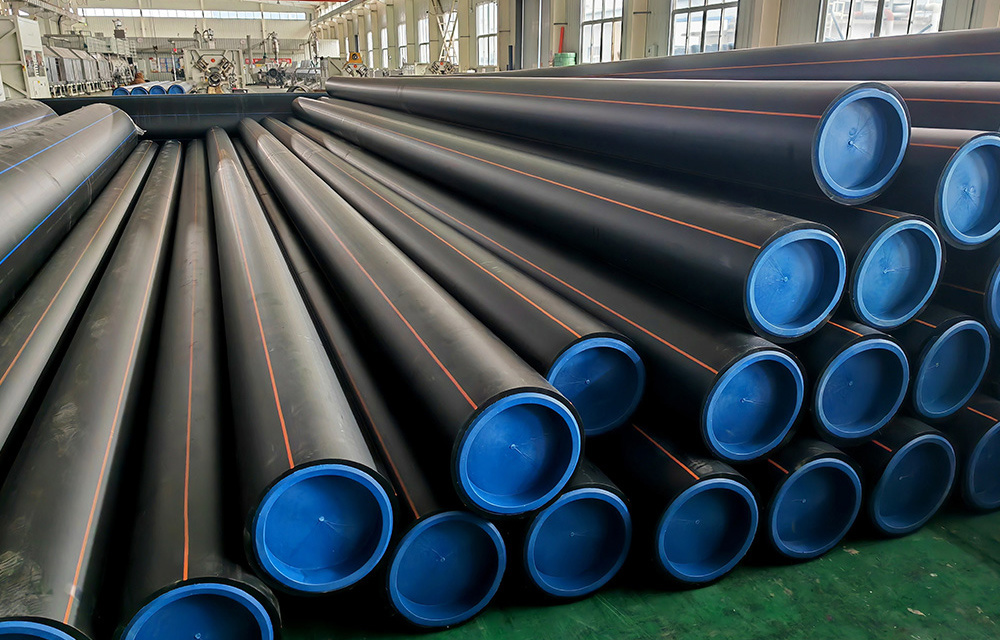
High-Density Polyethylene (HDPE) pipes have emerged as a crucial component in the effective management of landfill leachate, a byproduct of waste decomposition that can pose significant environmental hazards if not handled properly. Understanding the properties and advantages of HDPE pipes can help stakeholders in the industrial equipment and components industry make informed decisions for landfil
One of the primary benefits of using HDPE pipes for landfill leachate is their exceptional chemical resistance. Leachate can contain a variety of hazardous substances, including heavy metals and organic pollutants, which can corrode traditional piping materials over time. HDPE pipes, due to their non-reactive nature, provide a robust solution that can withstand aggressive leachate compositions without degrading, ensuring long-term performance and reducing maintenance costs.
Moreover, HDPE pipes are known for their flexibility and lightweight characteristics. This allows for easier installation, especially in challenging environments typically found in landfill sites. The ability to bend without breaking means that these pipes can adapt to the varying contours of the landfill, minimizing the need for extensive excavation and reducing installation time. Additionally, the lightweight nature of HDPE makes transportation and handling more efficient, further optimizing project timelines.
Another critical aspect of HDPE pipes is their resistance to environmental stress cracking. In landfill applications, where pipes are often exposed to fluctuating temperatures and pressures, this feature is essential for maintaining structural integrity. HDPE's resilience to such changes ensures that leachate management systems remain operational, thereby preventing potential leaks that could contaminate surrounding soil and groundwater.
Sustainability is also a significant consideration in modern landfill operations. HDPE is a recyclable material, which aligns with the growing emphasis on environmental stewardship within the waste management sector. By utilizing HDPE pipes, landfill operators can contribute to a circular economy, where materials are reused and repurposed rather than discarded.
Furthermore, the installation of HDPE piping systems can enhance compliance with environmental regulations governing leachate management. Properly designed and installed piping networks can facilitate efficient leachate collection and treatment, ensuring that operators meet legal requirements and minimize their ecological footprint.
In conclusion, implementing HDPE pipes for landfill leachate management offers a multitude of advantages, including chemical resistance, flexibility, environmental sustainability, and regulatory compliance. As the industry continues to evolve, embracing innovative piping solutions like HDPE can lead to more efficient and responsible waste management practices.

Customer Service Hotline
Sales Department Email
Website (Web)
Customer Service Email
Business Cooperation Email
Address
No.32 Donghai Road, Cangzhou Development Zone, Hebei Province, China
Company Address
No. 32 Donghai Road, Cangzhou Development Zone, Hebei Province, China