


01
2026
-
03
Maximizing Efficiency in Pipe Jacking with HDPE Pipe Solutions
Maximizing Efficiency in Pipe Jacking with HDPE Pipe Solutions In today’s rapidly evolving construction industry, maximizing efficiency during pipe jacking projects is crucial for successful outcomes. With the increasing demand for reliable and durable pipeline solutions, High-Density Polyethylene (HDPE) pipes have emerged as a game-changer. This article delves into how HDPE pipes can significan
Maximizing Efficiency in Pipe Jacking with HDPE Pipe Solutions
In today’s rapidly evolving construction industry, maximizing efficiency during pipe jacking projects is crucial for successful outcomes. With the increasing demand for reliable and durable pipeline solutions, High-Density Polyethylene (HDPE) pipes have emerged as a game-changer. This article delves into how HDPE pipes can significantly boost the efficiency of pipe jacking operations, providing insights into their benefits, applications, and best practices.
Understanding Pipe Jacking: A Brief Overview
Pipe jacking is a trenchless construction method used to install pipelines beneath the ground with minimal surface disruption. This technique is particularly advantageous in urban settings where traditional excavation would be impractical. The process involves using a jacking machine to push a pipe through the soil, often with the aid of a borehole. Efficient execution of this method depends on several factors, including pipe material, soil conditions, and project management.
The Rise of HDPE Pipes in Pipeline Construction
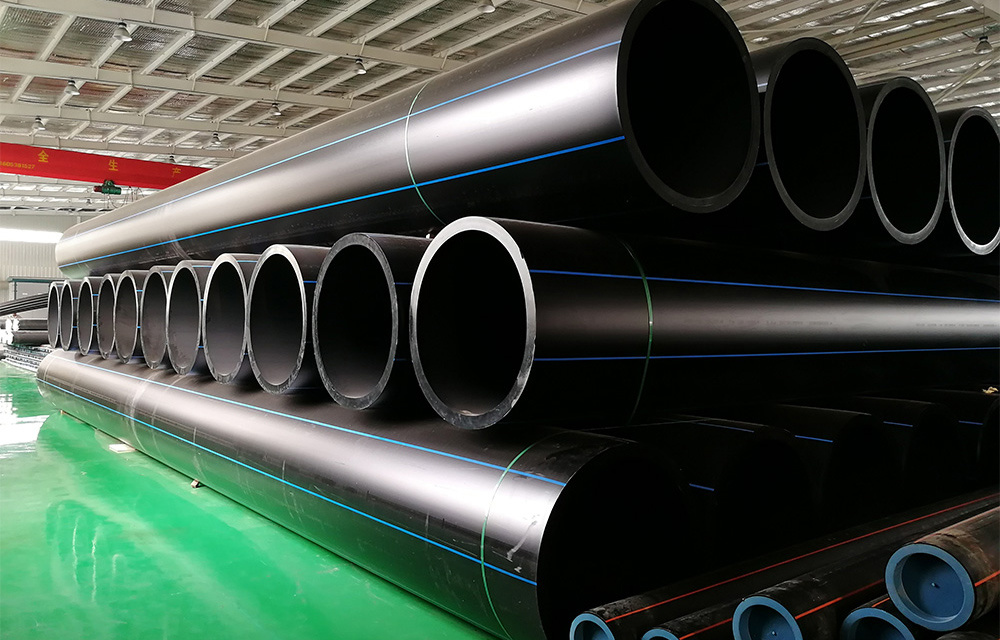
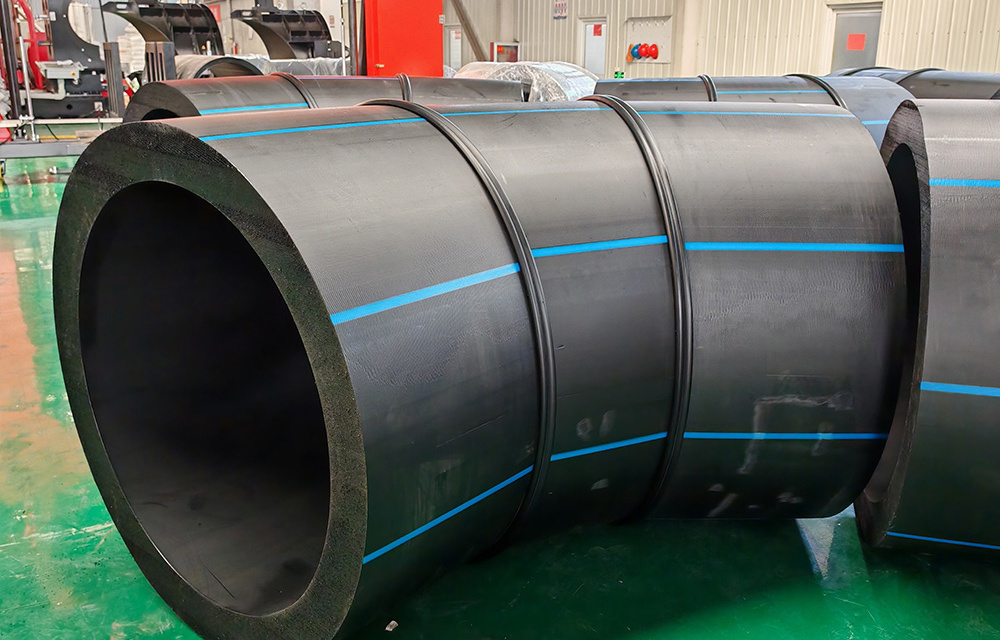
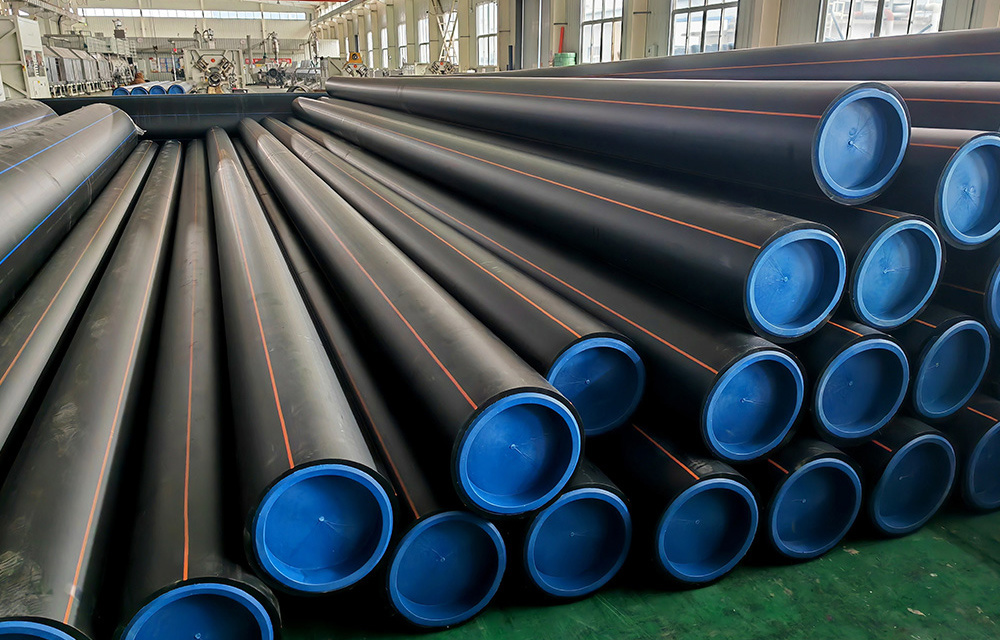
High-Density Polyethylene (HDPE) pipes are increasingly becoming the preferred choice for construction professionals due to their robust properties. These pipes boast excellent chemical resistance, flexibility, and lightweight characteristics, making them ideal for various applications in pipe jacking.
Advantages of HDPE Pipes in Pipe Jacking
1. Durability and Longevity
HDPE pipes exhibit remarkable resistance to corrosion, abrasion, and impact, which translates to an extended lifespan. This durability means less frequent replacements and repair costs, contributing to overall project efficiency.
2. Flexibility and Lightweight Nature
The flexibility of HDPE allows for easier handling and installation. Its lightweight nature reduces transportation costs and simplifies the logistics of moving pipes to construction sites. This contributes significantly to lowering project timelines.
3. Enhanced Flow Characteristics
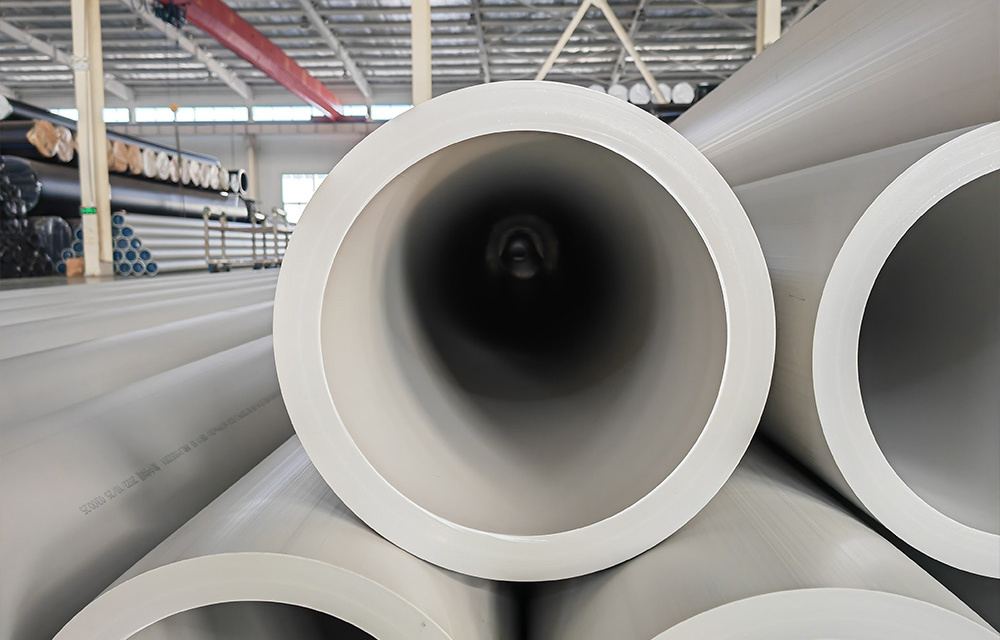
HDPE pipes have a smooth internal surface that minimizes friction losses. This characteristic improves the flow of liquids, making HDPE pipes an efficient option when considering the operational performance of a piping system.
4. Resistance to Environmental Stress
HDPE pipes are resilient against various environmental factors, such as temperature fluctuations and soil movement. This adaptability ensures that the infrastructure remains intact, even in challenging conditions.
Best Practices for Maximizing Efficiency in Pipe Jacking
To leverage the benefits of HDPE pipes fully, it’s essential to adopt best practices during the pipe jacking process. Below are proven strategies that can help enhance efficiency.
1. Proper Site Assessment and Planning
Conducting a thorough site assessment is critical. Understanding soil conditions, groundwater levels, and existing utilities can help in selecting the proper equipment and techniques. Planning ahead minimizes unexpected challenges during the jacking process, thereby saving time and resources.
2. Selecting the Right HDPE Pipe Diameter
The diameter of the HDPE pipe should be carefully chosen based on the flow requirements and the surrounding environment. Oversized pipes can lead to unnecessary costs, while undersized pipes may cause flow issues. Proper sizing ensures optimal performance and efficiency.
3. Utilizing Advanced Equipment and Technology
Incorporating advanced jacking machines and monitoring technologies can streamline the pipe jacking process. Real-time monitoring systems provide valuable data that can help operators make informed decisions, ensuring that the project stays on track.
4. Ensuring Proper Installation Techniques
Adhering to established installation techniques is vital for the efficiency of pipe jacking projects. Utilizing proper jacking forces and ensuring alignment during installation can prevent costly mistakes and delays.
HDPE Pipe Applications in Various Industries
HDPE pipes are versatile and find applications across numerous industries, enhancing efficiency in various projects.
1. Water and Wastewater Management
In the water and wastewater sector, HDPE pipes are widely used for transporting drinking water and managing sewage systems. Their resistance to corrosion and chemical degradation makes them an ideal choice for these applications.
2. Oil and Gas Industry
HDPE pipes are also gaining popularity in the oil and gas industry for transporting fluids safely. Their lightweight nature aids in reducing transportation costs while maintaining operational integrity.
3. Telecommunications Infrastructure
Telecommunications companies utilize HDPE pipes for enclosing cables in underground installations. The smooth internal surface of HDPE ensures minimal friction and interference with signal transmission.
Challenges in Pipe Jacking with HDPE Pipes
While HDPE pipes offer numerous advantages, there are challenges involved in their use in pipe jacking that must be addressed to maximize efficiency.
1. Temperature Sensitivity
HDPE pipes can become more flexible in high temperatures, which may affect their structural integrity if not managed correctly. Understanding the thermal properties of HDPE is essential in planning and execution.
2. Joint Integrity
Ensuring proper joint integrity is crucial for preventing leaks. Employing tested welding techniques and using compatible fittings can mitigate these issues significantly.
Future Trends in HDPE Pipe Technology
The future of HDPE pipe technology looks promising, with ongoing advancements aimed at improving efficiency and sustainability in pipe jacking.
1. Smart HDPE Pipes
Emerging technologies are facilitating the development of smart HDPE pipes equipped with sensors that monitor pressure, temperature, and flow rates. These innovations can provide real-time data, enhancing decision-making during construction.
2. Sustainable Practices
As the construction industry shifts towards sustainability, the development of eco-friendly HDPE materials reinforces the commitment to environmental stewardship. Using recycled materials in HDPE pipe manufacturing helps reduce waste and carbon footprint.
Conclusion
Maximizing efficiency in pipe jacking projects using HDPE pipe solutions is not only achievable but also essential in today’s demanding construction landscape. By understanding the advantages of HDPE, implementing best practices, and embracing technological advancements, we can enhance operational efficiency and project success. The future of pipeline construction lies in the continued innovation and application of HDPE, promising a more efficient and sustainable approach to infrastructure development.
FAQs
1. What are HDPE pipes made from?
HDPE pipes are made from high-density polyethylene, a thermoplastic polymer known for its durability, flexibility, and chemical resistance.
2. How long do HDPE pipes last?
HDPE pipes can last over 50 years when installed and maintained properly, making them a cost-effective choice for long-term projects.
3. Are HDPE pipes environmentally friendly?
Yes, HDPE pipes are environmentally friendly as they can be recycled, reduce waste, and have a lower carbon footprint compared to traditional materials.
4. What is the maximum length of HDPE pipes?
HDPE pipes can be manufactured in lengths up to 1,200 feet or more, depending on the diameter and project specifications.
5. How does the installation process of HDPE pipes differ from traditional pipes?
The installation of HDPE pipes typically involves trenchless methods like pipe jacking, which minimizes surface disruption and speeds up the installation process compared to traditional methods that require extensive excavation.
In conclusion, by conducting thorough assessments, choosing the right materials, and adopting advanced technologies, we can effectively maximize efficiency in pipe jacking projects using HDPE pipe solutions. The advantages these pipes offer make them a critical component in modern infrastructure development, ensuring successful outcomes in various applications. Embracing these innovations leads to improved efficiency, sustainability, and cost-effectiveness in pipeline construction.

Customer Service Hotline
Sales Department Email
Website (Web)
Customer Service Email
Business Cooperation Email
Address
No.32 Donghai Road, Cangzhou Development Zone, Hebei Province, China
Company Address
No. 32 Donghai Road, Cangzhou Development Zone, Hebei Province, China