


27
2026
-
02
Innovative Uses of HDPE Pipe in Geothermal Heating and Cooling
Innovative Uses of HDPE Pipe in Geothermal Heating and Cooling Introduction to Geothermal Systems Geothermal heating and cooling systems utilize the Earth's natural temperature to provide efficient climate control within buildings. By tapping into the relatively constant temperatures below the surface, these systems can significantly reduce energy consumption and operational costs. A crucial com
Innovative Uses of HDPE Pipe in Geothermal Heating and Cooling
Introduction to Geothermal Systems
Geothermal heating and cooling systems utilize the Earth's natural temperature to provide efficient climate control within buildings. By tapping into the relatively constant temperatures below the surface, these systems can significantly reduce energy consumption and operational costs. A crucial component of these systems is the piping, and High-Density Polyethylene (HDPE) pipe has emerged as a game-changer in this arena.
What is HDPE Pipe?
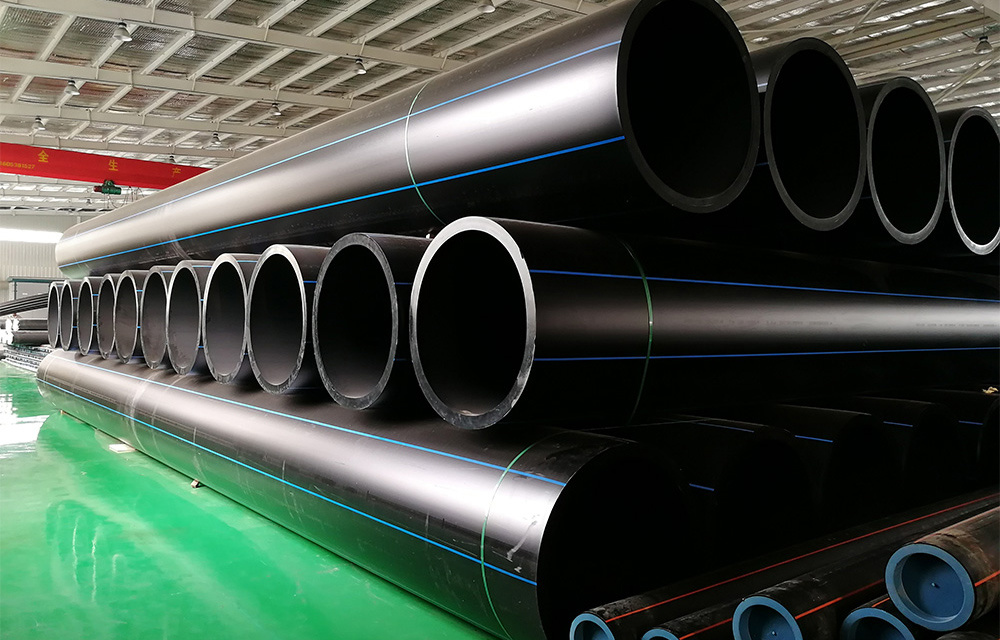
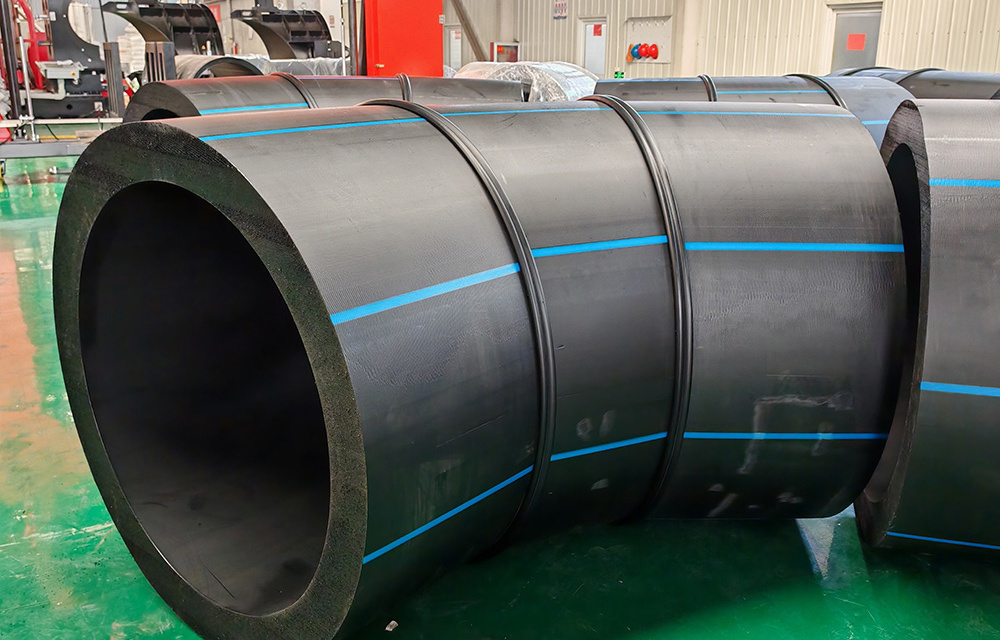
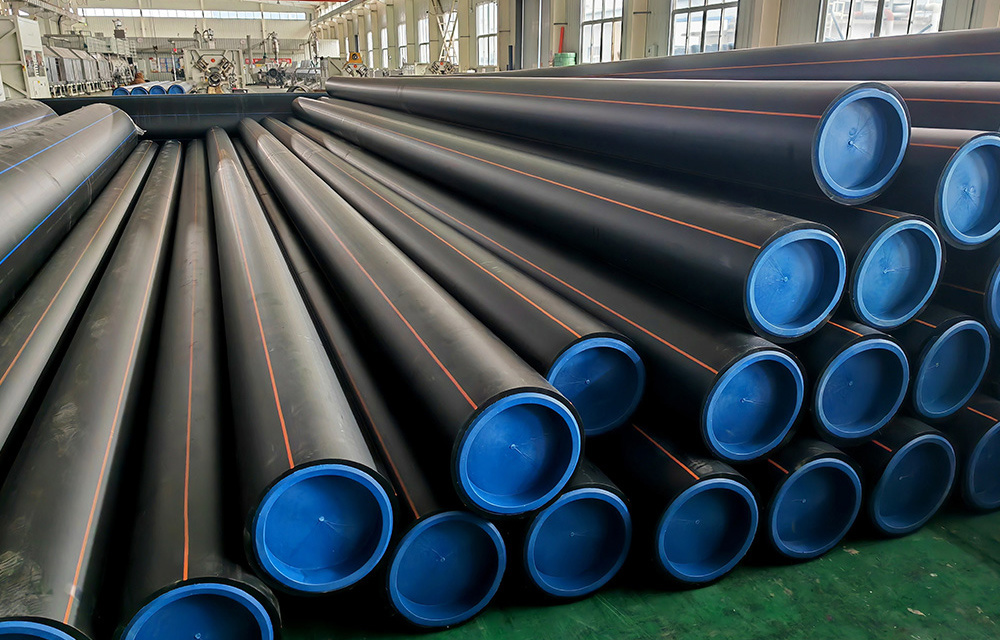
High-Density Polyethylene (HDPE) is a robust thermoplastic polymer known for its strength, flexibility, and resistance to a variety of environmental conditions. It is lightweight yet durable, making it an excellent choice for various industrial applications, particularly in geothermal heating and cooling systems.
The Role of HDPE Pipe in Geothermal Systems
HDPE pipes play a pivotal role in geothermal applications by functioning as the primary conduit for transferring heat between the ground and the building. Their unique properties contribute to the overall efficiency and effectiveness of these systems.
1. Enhanced Heat Transfer Efficiency
HDPE pipes are designed to optimize heat transfer. Their smooth inner surfaces reduce friction and allow for better fluid flow, enhancing the system's overall efficiency. This results in quicker heating and cooling responses, crucial for maintaining comfortable indoor climates.
2. Durability and Longevity
Unlike traditional piping materials, HDPE is resistant to corrosion, chemical exposure, and UV degradation. This durability means that HDPE pipes can endure the harsh conditions often encountered in geothermal applications, significantly reducing maintenance costs and extending the lifespan of the system.
3. Flexibility and Ease of Installation
One of the standout features of HDPE is its flexibility. This allows for easier installation, particularly in challenging terrains. Contractors can bend and maneuver the pipes without compromising their integrity, which can lead to faster project completion times.
Innovative Applications of HDPE Pipe in Geothermal Systems
1. Vertical Ground Loop Systems
In vertical ground loop systems, HDPE pipes are inserted deep into the ground to access stable temperatures. The innovative design allows for efficient heat exchange, making it ideal for urban areas where land space is limited.
2. Horizontal Ground Loop Systems
Horizontal systems utilize trenching to lay HDPE pipes close to the surface. This method is often more cost-effective and is suitable for residential applications. The flexibility of HDPE allows for easy installation in various soil types, ensuring optimal heat exchange.
3. Open Loop Systems
Open loop systems use groundwater as a heat exchange medium. HDPE pipes are highly resistant to scale and corrosion, making them perfect for these applications as they can withstand the natural minerals present in groundwater.
4. District Heating Systems
In urban settings, HDPE pipes can be used in district heating systems that supply multiple buildings. This innovative use not only promotes energy efficiency but also reduces overall carbon emissions in densely populated areas.
5. Hybrid Systems
Combining geothermal heating with other renewable energy sources, hybrid systems utilize HDPE pipes for seamless integration. This flexibility allows homeowners to maximize efficiency while minimizing environmental impact.
Advantages of Using HDPE Pipe in Geothermal Applications
1. Cost-Effectiveness
The initial investment in geothermal systems can be substantial, but the durability and low maintenance costs of HDPE pipes contribute to long-term savings. Additionally, the energy efficiency provided by these systems leads to reduced utility bills.
2. Environmentally Friendly
HDPE pipes are recyclable and contribute to sustainable building practices. Their use in geothermal systems further decreases reliance on fossil fuels, making them an eco-friendly choice.
3. Resistance to Clogging and Scaling
HDPE’s smooth surface design minimizes the risk of clogging and scaling. This is particularly important in geothermal applications, as any blockage can significantly reduce system efficiency.
Future Trends in HDPE Pipe Usage for Geothermal Systems
As technology advances, the applications of HDPE pipes in geothermal heating and cooling will continue to evolve. The following trends are on the horizon:
1. Smart Geothermal Systems
The integration of smart technology into geothermal systems promises improved monitoring and control. HDPE pipes will be essential in these systems for data transmission and energy efficiency.
2. Enhanced Manufacturing Processes
Innovative manufacturing techniques will likely produce even more durable and efficient HDPE pipes. These advancements will further support the growing demand for geothermal systems.
3. Increased Adoption in Commercial Sectors
As more businesses recognize the benefits of geothermal heating and cooling, the use of HDPE pipes in commercial applications is expected to rise, driving innovation and efficiency in the industry.
FAQs
1. What is the lifespan of HDPE pipes used in geothermal systems?
HDPE pipes can last for more than 50 years when properly installed and maintained, making them a reliable choice for geothermal applications.
2. Are HDPE pipes resistant to environmental factors?
Yes, HDPE pipes are highly resistant to corrosion, chemicals, and UV rays, which contributes to their longevity and effectiveness in geothermal systems.
3. How do HDPE pipes improve energy efficiency in geothermal systems?
The smooth inner surfaces of HDPE pipes promote better fluid flow and heat transfer, enhancing the overall efficiency of geothermal heating and cooling systems.
4. Can HDPE pipes be used in both residential and commercial geothermal systems?
Absolutely! HDPE pipes are versatile and suitable for both residential and commercial geothermal applications, allowing for greater flexibility in design.
5. What are the installation costs associated with HDPE pipes in geothermal systems?
While installation costs can vary based on system design and local labor rates, the long-term savings on maintenance and energy bills often outweigh initial investments.
Conclusion
The innovative uses of **HDPE pipes** in geothermal heating and cooling systems underscore their importance in modern energy-efficient solutions. With benefits such as durability, flexibility, and cost-effectiveness, HDPE pipes are transforming how we approach climate control in residential and commercial settings. As the demand for sustainable building practices continues to grow, the integration of HDPE in geothermal systems will undoubtedly play a vital role in shaping a greener future. By understanding these innovations, we can make informed decisions that not only enhance our comfort but also contribute to environmental sustainability.

Customer Service Hotline
Sales Department Email
Website (Web)
Customer Service Email
Business Cooperation Email
Address
No.32 Donghai Road, Cangzhou Development Zone, Hebei Province, China
Company Address
No. 32 Donghai Road, Cangzhou Development Zone, Hebei Province, China