


23
2026
-
02
How HDPE Pipe Contributes to Sustainable Landfill Practices
How HDPE Pipe Contributes to Sustainable Landfill Practices Table of Contents Introduction to HDPE Pipes The Importance of Sustainability in Landfills Overview of HDPE Pipes Benefits of HDPE Pipes in Landfills Applications of HDPE Pipes in Landfill Systems Environmental Impact of HDPE Pipes Future Trends in HDPE Pipe Usage Frequently Asked Questions Conclusion Introduction to H
How HDPE Pipe Contributes to Sustainable Landfill Practices
Table of Contents
- Introduction to HDPE Pipes
- The Importance of Sustainability in Landfills
- Overview of HDPE Pipes
- Benefits of HDPE Pipes in Landfills
- Applications of HDPE Pipes in Landfill Systems
- Environmental Impact of HDPE Pipes
- Future Trends in HDPE Pipe Usage
- Frequently Asked Questions
- Conclusion
Introduction to HDPE Pipes
High-Density Polyethylene (HDPE) pipes have gained significant traction in various industries, particularly in waste management and landfill practices. Their robust nature, flexibility, and resistance to environmental factors make them a go-to solution for sustainable landfill operations. This article explores how HDPE pipes contribute to more sustainable waste management practices, safeguarding our environment and promoting effective resource management.
The Importance of Sustainability in Landfills
Landfills are critical components of waste management systems, yet they can have severe environmental impacts if not managed sustainably. As populations grow and waste generation increases, the need for sustainable landfill practices becomes more pressing. Sustainable landfills aim to minimize the negative effects on the environment, reduce greenhouse gas emissions, and make efficient use of resources. We will explore how HDPE pipes play a pivotal role in achieving these objectives.
Overview of HDPE Pipes
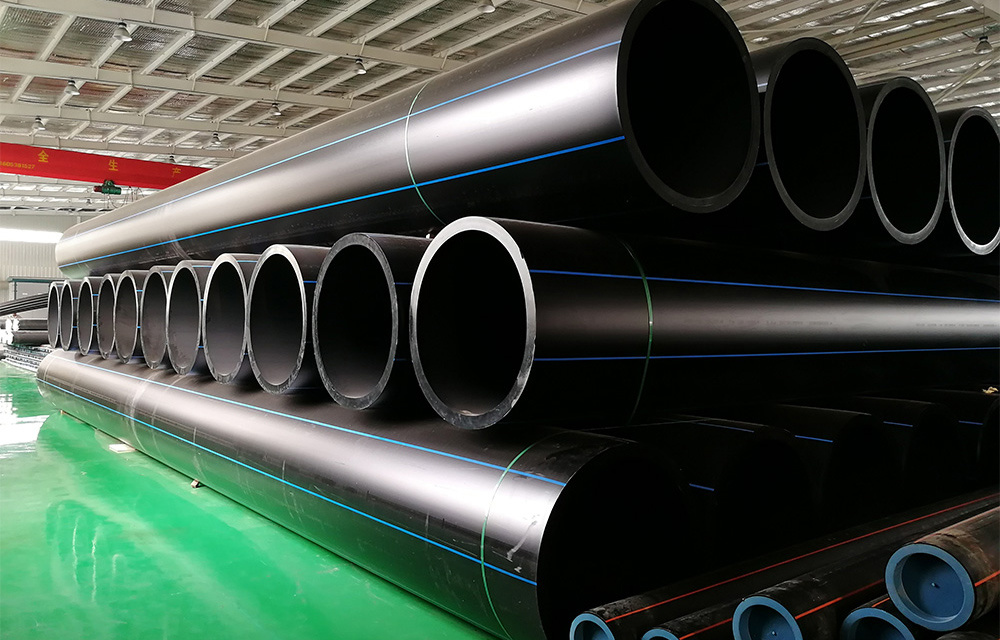
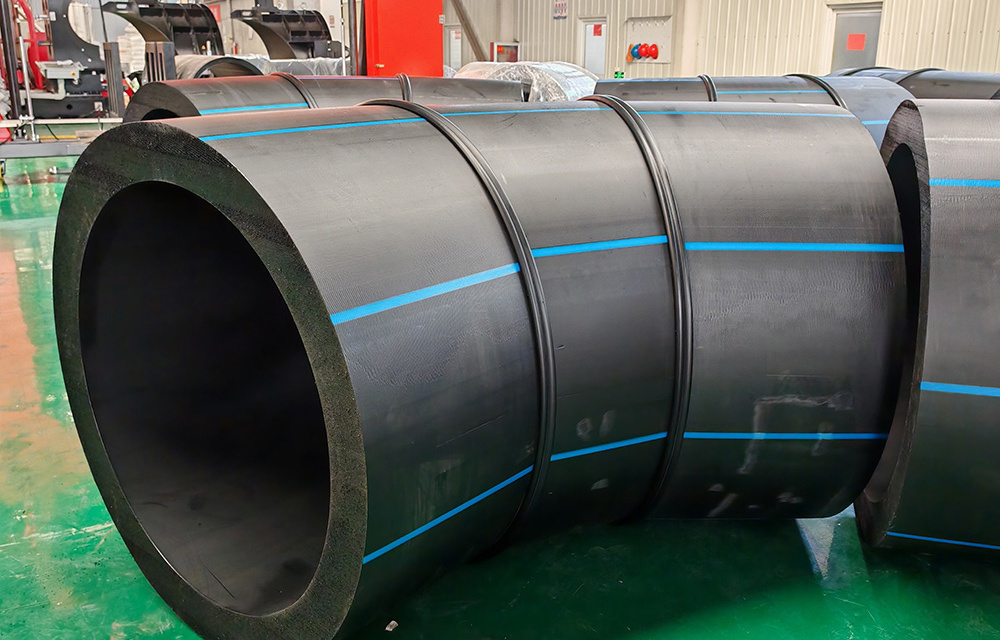
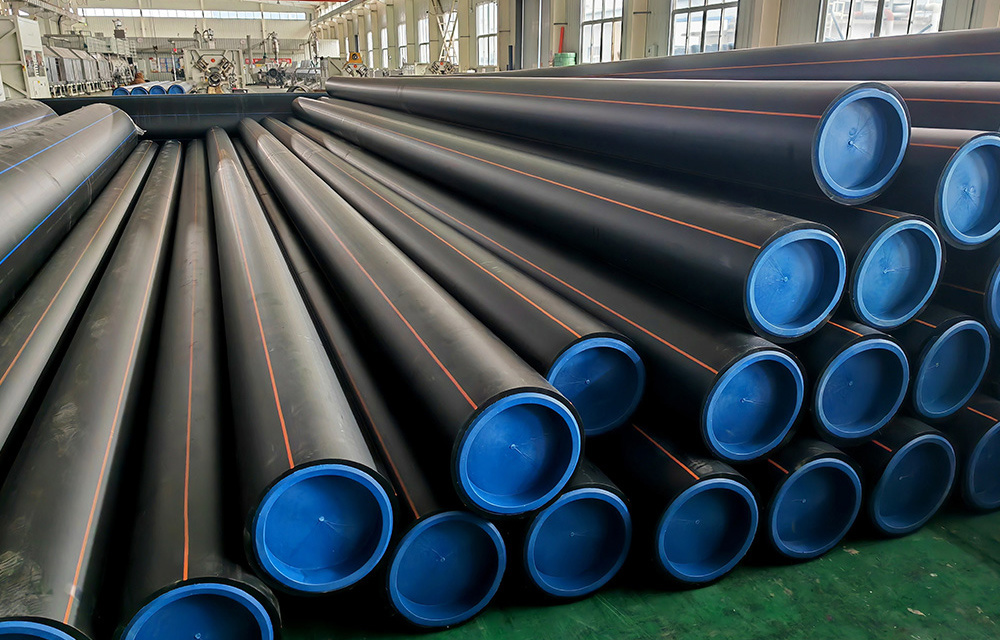
HDPE pipes are made from high-density polyethylene, a versatile plastic known for its high strength-to-density ratio. These pipes are lightweight, easy to install, and highly resistant to chemicals, making them ideal for various applications, including water supply, drainage, and landfill leachate management. Their durability translates to a longer lifespan, thus reducing the need for frequent replacements and minimizing environmental impact.
Benefits of HDPE Pipes in Landfills
When it comes to landfill applications, HDPE pipes offer numerous benefits:
Durability and Longevity
HDPE pipes can withstand harsh environmental conditions, including extreme temperatures, corrosive substances, and mechanical stress. Their resilience translates to a longer operational life, reducing maintenance costs and the need for frequent replacements.
Leakage Prevention
One of the most significant concerns in landfill management is leachate leakage, which can contaminate soil and groundwater. HDPE pipes feature seamless joints and excellent resistance to cracking, significantly reducing the risk of leaks.
Cost-Effectiveness
Although the initial investment in HDPE pipes may be higher than traditional materials, the long-term savings related to maintenance and replacements make them a cost-effective choice for landfill management.
Environmental Compliance
Using HDPE pipes can help landfills comply with environmental regulations more efficiently. Their ability to manage leachate effectively aids in meeting stringent standards for waste management practices.
Ease of Installation
HDPE pipes can be easily transported and installed, reducing labor costs and time associated with landfill construction and maintenance.
Applications of HDPE Pipes in Landfill Systems
HDPE pipes are utilized in various critical applications within landfill systems:
Leachate Collection Systems
HDPE pipes are fundamental in leachate collection systems, capturing the liquid that seeps through waste materials. This collected leachate can be treated and reused, minimizing environmental impact.
Gas Collection Systems
Landfills produce gases like methane during waste decomposition. HDPE pipes facilitate the safe collection and management of these gases, allowing for their potential conversion into energy.
Drainage Systems
Proper drainage is essential in landfill operations to prevent flooding and manage precipitation. HDPE pipes effectively direct water away from waste materials, enhancing overall landfill management.
Capillary Barriers
In many landfill designs, HDPE pipes serve as capillary barriers that prevent groundwater from contacting waste and leachate, thus protecting surrounding ecosystems.
Environmental Impact of HDPE Pipes
The environmental benefits of HDPE pipes extend beyond their durability and efficiency in landfill management:
Recyclability
HDPE is a recyclable material, meaning that end-of-life pipes can be processed and reused, contributing to a circular economy and reducing plastic waste.
Reduction in Greenhouse Gas Emissions
By facilitating efficient waste management practices and reducing leachate and gas leaks, HDPE pipes contribute to lower greenhouse gas emissions associated with landfills.
Conservation of Resources
The long lifespan and durability of HDPE pipes mean fewer resources are consumed in manufacturing and transporting replacement pipes, further lessening environmental impact.
Future Trends in HDPE Pipe Usage
As sustainability becomes increasingly important in waste management, the adoption of HDPE pipes is expected to grow. Innovations in pipe technology, including improved manufacturing processes and enhanced chemical resistance, will further broaden their applications in landfill practices. Moreover, as more industries recognize the environmental benefits, the shift toward HDPE pipes as standard practice in landfill management is likely to accelerate.
Frequently Asked Questions
What are the main advantages of HDPE pipes over traditional materials?
HDPE pipes offer superior durability, resistance to corrosion, ease of installation, and lower long-term maintenance costs compared to traditional materials such as PVC or concrete.
How do HDPE pipes contribute to leachate management in landfills?
HDPE pipes are essential in leachate collection systems, effectively capturing the liquid that seeps through landfill waste and preventing environmental contamination.
Can HDPE pipes be recycled?
Yes, HDPE pipes are recyclable, and their reuse contributes to sustainable material management and reduced plastic waste in landfills.
Are HDPE pipes environmentally friendly?
Absolutely! HDPE pipes are designed to minimize environmental impact through effective waste management, leak prevention, and their recyclable nature.
What is the lifespan of HDPE pipes in landfill applications?
HDPE pipes typically have a lifespan of 50 years or more, making them a long-lasting solution for landfill management systems.
Conclusion
HDPE pipes play a crucial role in promoting sustainable landfill practices. Their durability, cost-effectiveness, and environmental compliance make them an ideal choice for effective waste management. As we continue to seek solutions to mitigate landfill impacts, embracing HDPE technology will be essential in fostering a greener future. By adopting these innovative practices, we can ensure that landfills are managed responsibly, safeguarding our environment for generations to come.
Previous Page

Customer Service Hotline
Sales Department Email
Website (Web)
Customer Service Email
Business Cooperation Email
Address
No.32 Donghai Road, Cangzhou Development Zone, Hebei Province, China
Company Address
No. 32 Donghai Road, Cangzhou Development Zone, Hebei Province, China