


24
2026
-
02
Innovative Applications of HDPE Pipe in Pipe Jacking Technology
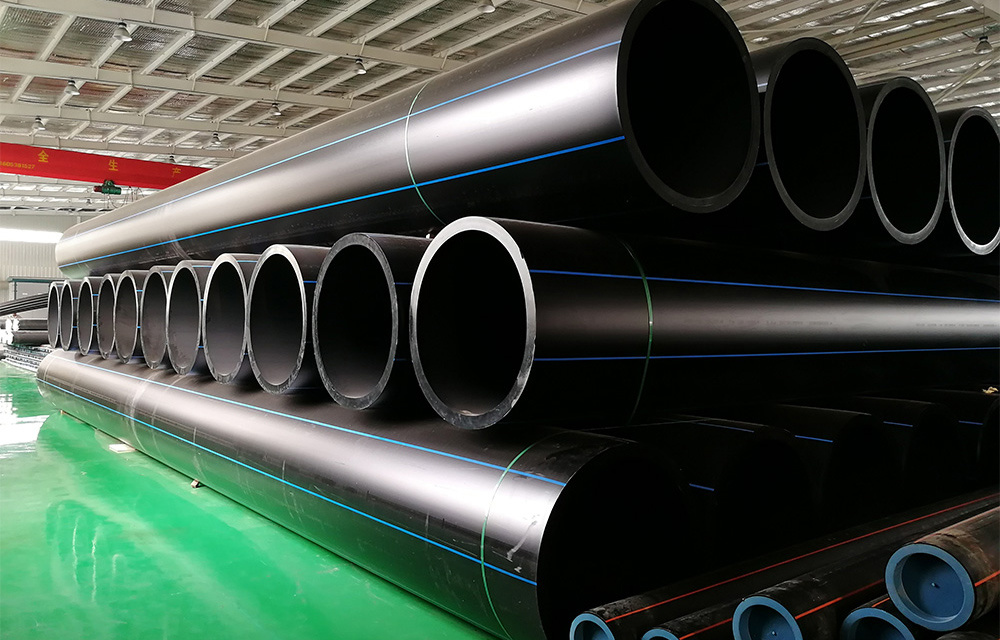
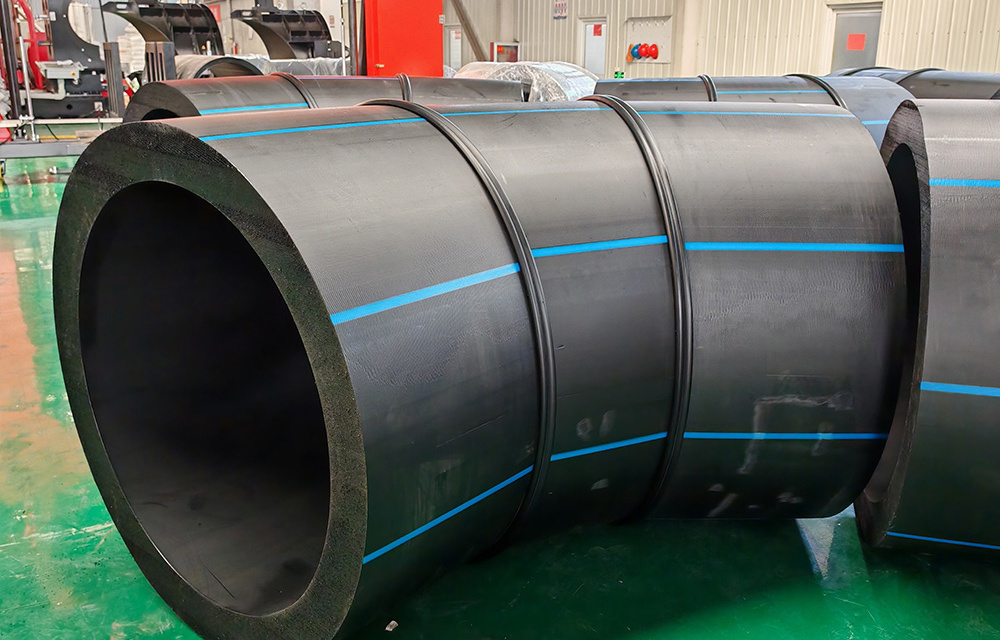
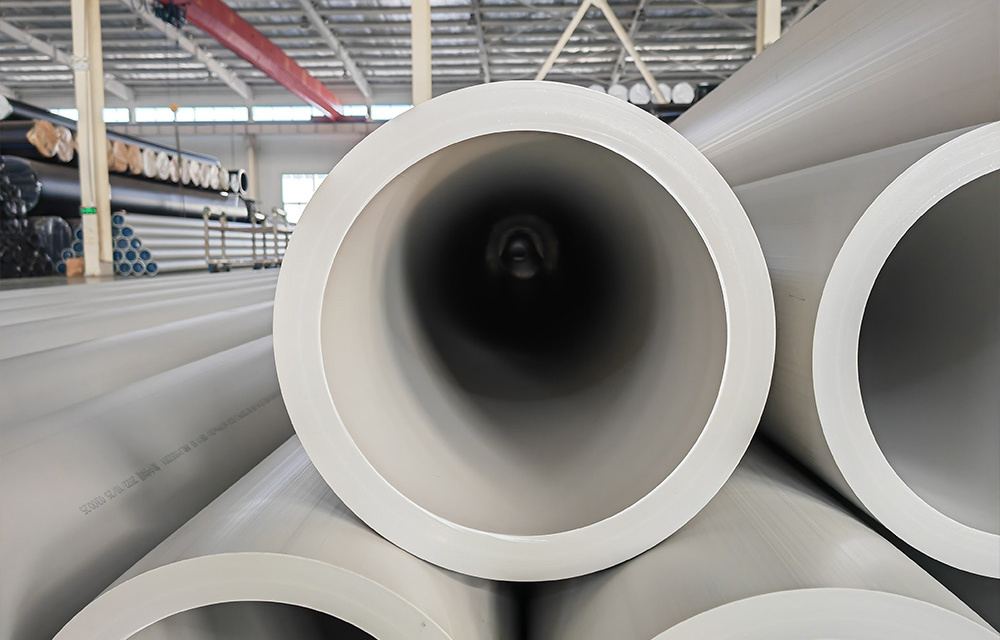
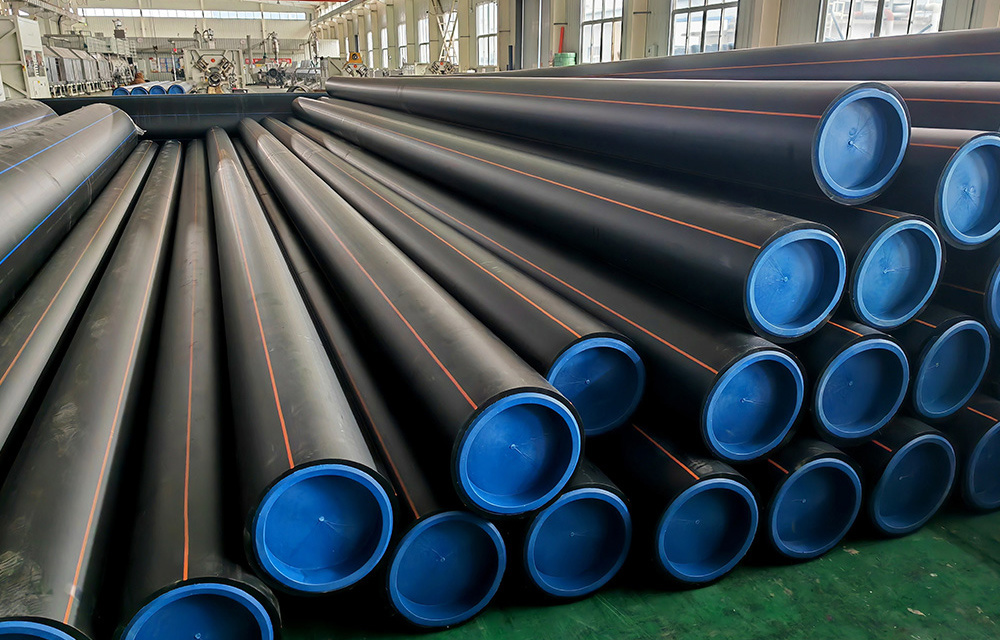
HDPE (High-Density Polyethylene) pipes have gained significant attention in the field of pipe jacking due to their unique properties and advantages. Pipe jacking is a trenchless construction method used primarily for the installation of underground pipelines. It offers a solution to minimize surface disruption and reduce the impact on the surrounding environment. The use of HDPE pipes in this tech
One of the notable advantages of HDPE pipes is their exceptional flexibility and durability. Unlike traditional materials such as steel or concrete, HDPE pipes can withstand significant ground movements and pressures without fracturing. This property is particularly beneficial in urban environments where soil conditions may vary, making HDPE pipes an ideal choice for pipe jacking applications.
Another key characteristic of HDPE is its resistance to corrosion and chemical degradation. This resilience ensures that the pipes maintain their structural integrity and performance over time, especially when transporting various fluids, including aggressive chemicals. As a result, industries such as water supply, wastewater treatment, and industrial processes can rely on HDPE pipes to provide long-lasting solutions.
When considering HDPE pipes for pipe jacking, it is essential to focus on the installation techniques. The pipe jacking process involves using a hydraulic jack to push the pipe through the soil, which requires precise alignment and careful planning. Proper lubrication and the use of appropriate jacking frames are vital to ensure a smooth operation. The lightweight nature of HDPE also contributes to easier handling during installation, reducing labor costs and time on-site.
Moreover, the adaptability of HDPE pipes allows for various jointing methods, including butt fusion and electrofusion. These methods create strong, leak-free joints that are essential for maintaining the integrity of the pipeline over its lifespan. The seamless joints provided by HDPE pipes minimize the risk of leaks and enhance the overall performance of the jacked pipeline.
It is also worth noting the environmental benefits associated with using HDPE pipes in pipe jacking. The trenchless method significantly reduces the need for extensive excavation, leading to less disruption to the landscape and minimizing the carbon footprint of the project. Additionally, HDPE is a recyclable material, contributing to sustainable practices within the industry.
In conclusion, HDPE pipes are revolutionizing the pipe jacking industry, offering unparalleled flexibility, durability, and environmental advantages. Their ability to withstand challenging conditions while ensuring the integrity of the pipeline makes them a preferred choice for modern construction projects. For professionals in the industrial equipment and components sector, understanding the application and benefits of HDPE pipes in pipe jacking will prove essential for future endeavors.

Customer Service Hotline
Sales Department Email
Website (Web)
Customer Service Email
Business Cooperation Email
Address
No.32 Donghai Road, Cangzhou Development Zone, Hebei Province, China
Company Address
No. 32 Donghai Road, Cangzhou Development Zone, Hebei Province, China