


22
2026
-
02
Innovative Uses of HDPE Pipe in Geothermal Systems
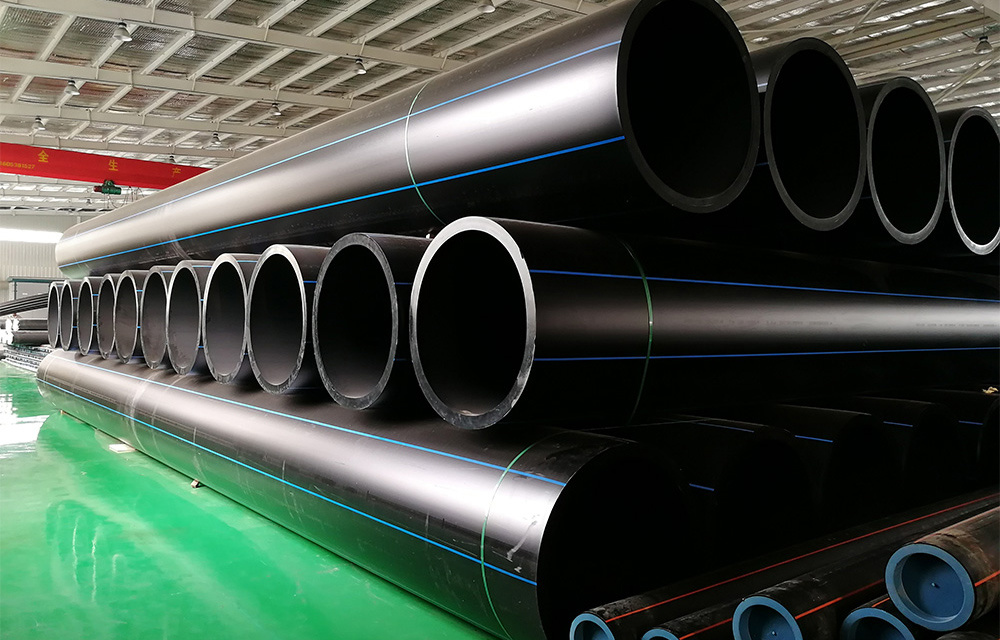
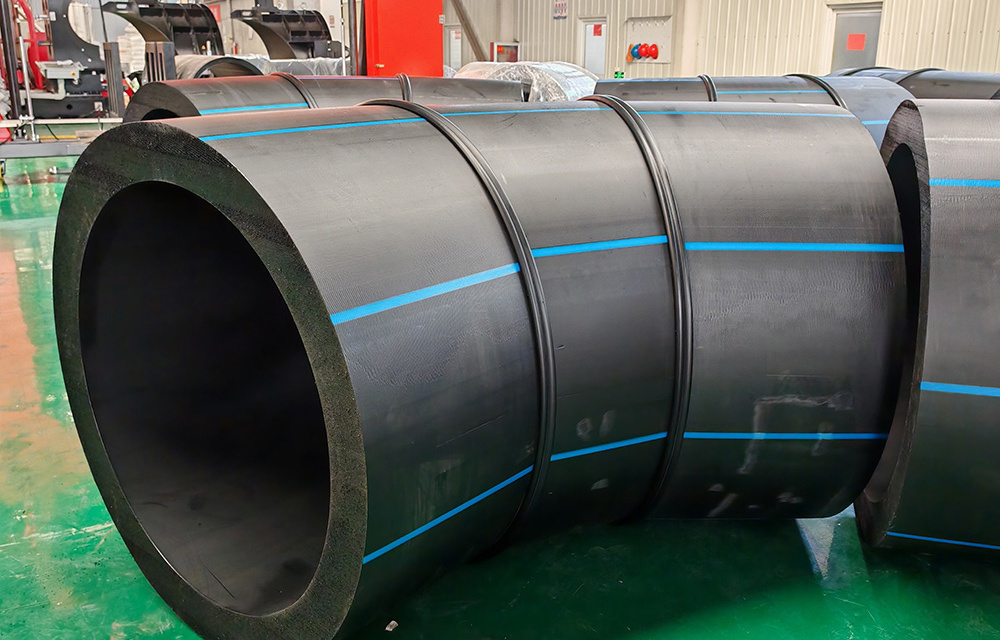
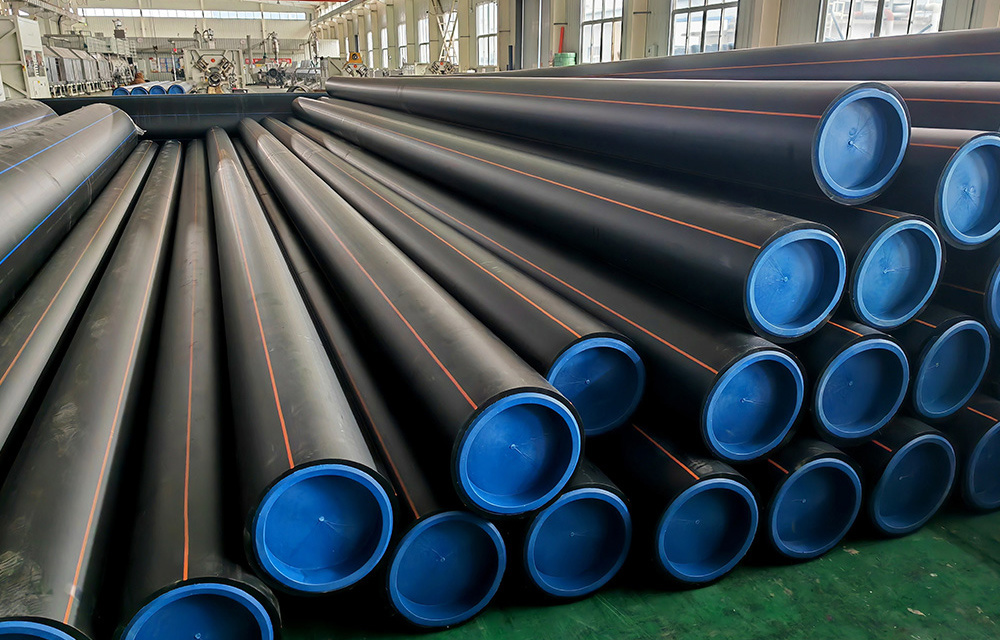
High-Density Polyethylene (HDPE) pipes are increasingly recognized for their vital role in geothermal systems, which harness the earth's natural heat to provide sustainable energy solutions. Geothermal energy is a renewable resource that can be utilized for heating, cooling, and electricity generation. The implementation of HDPE pipes in these systems offers numerous benefits, making them a prefer
One of the standout features of HDPE pipes is their exceptional durability. Made from a robust thermoplastic, HDPE pipes resist corrosion and degradation, which are critical considerations in geothermal environments. Traditional materials such as metal or concrete may succumb to the harsh conditions within geothermal systems, including temperature fluctuations and exposure to various chemicals. In contrast, HDPE maintains its structural integrity over time, ensuring long-lasting performance and reducing maintenance costs.
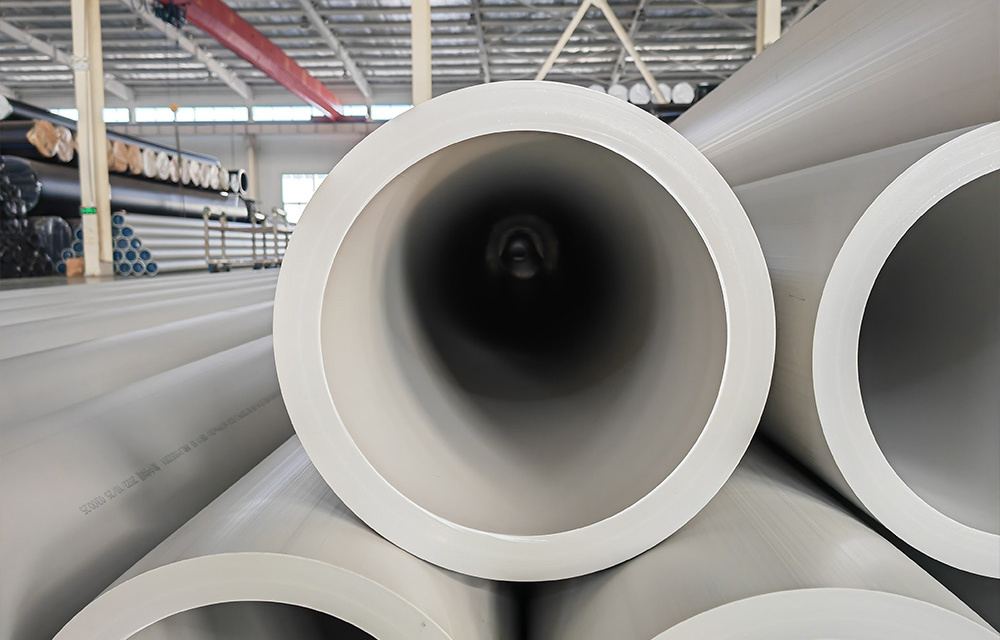
Another significant advantage of HDPE pipes in geothermal systems is their efficiency. The smooth inner surface of HDPE minimizes friction, allowing for enhanced fluid flow rates, which is crucial in heat exchange processes. Geothermal systems typically rely on the circulation of fluids to transfer heat between the ground and the building. The efficient flow of these fluids directly impacts the overall performance and energy efficiency of the system. By utilizing HDPE pipes, operators can optimize heat transfer, leading to better energy conservation and reduced operational costs.
Moreover, HDPE is known for its lightweight properties, making it easier to handle and install compared to traditional piping materials. This ease of installation can significantly reduce labor costs and project timelines. The flexibility of HDPE also allows for easy bending and installation even in challenging terrains, which is often a requirement for geothermal installations situated in diverse geographical locations.
In addition to operational advantages, the use of HDPE pipes in geothermal systems aligns with sustainability goals. Geothermal energy is a clean and renewable resource, and utilizing HDPE further enhances the eco-friendliness of these systems. The production and installation of HDPE pipes typically generate fewer carbon emissions compared to other materials, contributing to reduced environmental impact. Additionally, the longevity of HDPE reduces the need for frequent replacements, leading to less waste in landfills.
In conclusion, HDPE pipes are an excellent choice for geothermal systems due to their durability, efficiency, lightweight nature, and environmental advantages. Their ability to withstand harsh conditions while providing optimal performance makes them a vital component in the development of sustainable geothermal energy solutions. As the demand for renewable energy sources continues to rise, the role of HDPE pipes in geothermal applications will undoubtedly become increasingly significant.

Customer Service Hotline
Sales Department Email
Website (Web)
Customer Service Email
Business Cooperation Email
Address
No.32 Donghai Road, Cangzhou Development Zone, Hebei Province, China
Company Address
No. 32 Donghai Road, Cangzhou Development Zone, Hebei Province, China