


21
2026
-
02
How PE4710 Pipe Meets the Demands of Modern Infrastructure
How PE4710 Pipe Meets the Demands of Modern Infrastructure Introduction to PE4710 Pipe In today's rapidly evolving world, the demands on infrastructure are more significant than ever. With increasing urbanization and the need for robust utility systems, selecting the right materials is crucial. **PE4710 pipe** has emerged as a front-runner in this arena, providing a range of benefits that cater to
How PE4710 Pipe Meets the Demands of Modern Infrastructure
Introduction to PE4710 Pipe
In today's rapidly evolving world, the demands on infrastructure are more significant than ever. With increasing urbanization and the need for robust utility systems, selecting the right materials is crucial. **PE4710 pipe** has emerged as a front-runner in this arena, providing a range of benefits that cater to modern requirements. This article delves deep into the attributes of PE4710 pipes and examines how they meet the rigorous demands of contemporary infrastructure projects.
Understanding the Composition and Properties of PE4710 Pipe
Material Composition
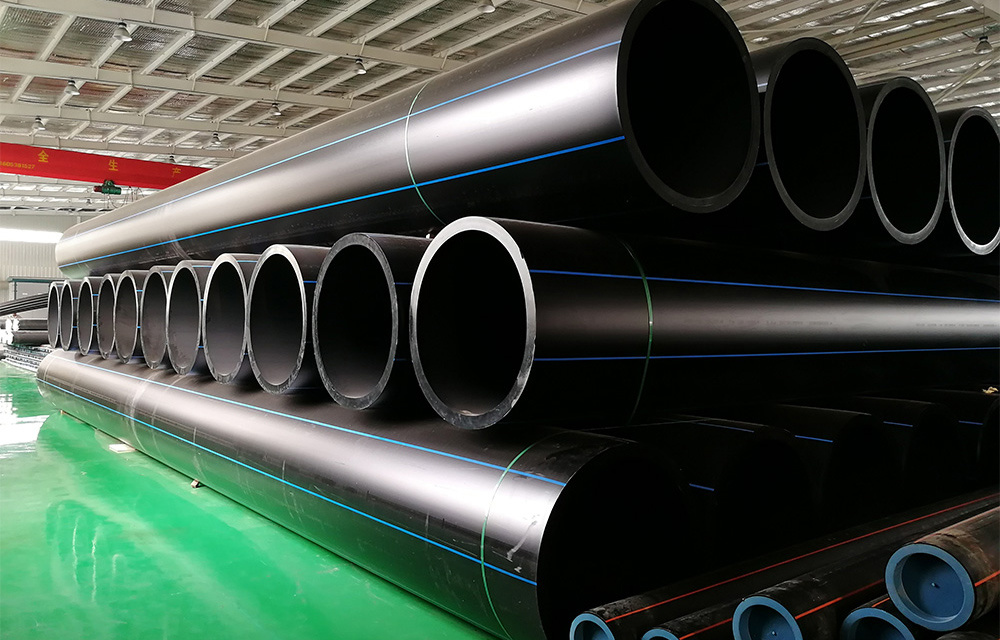
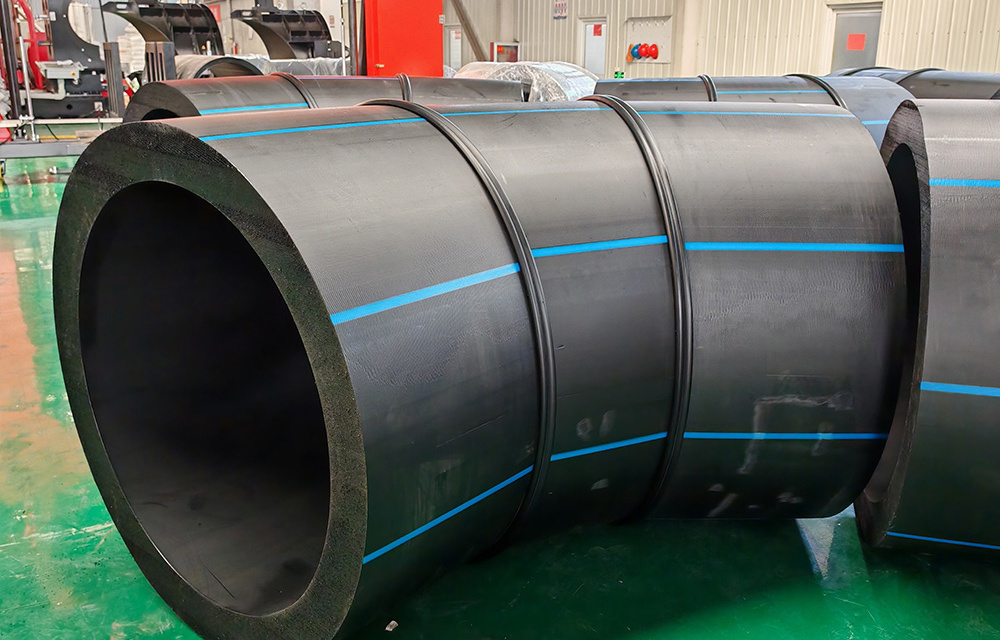
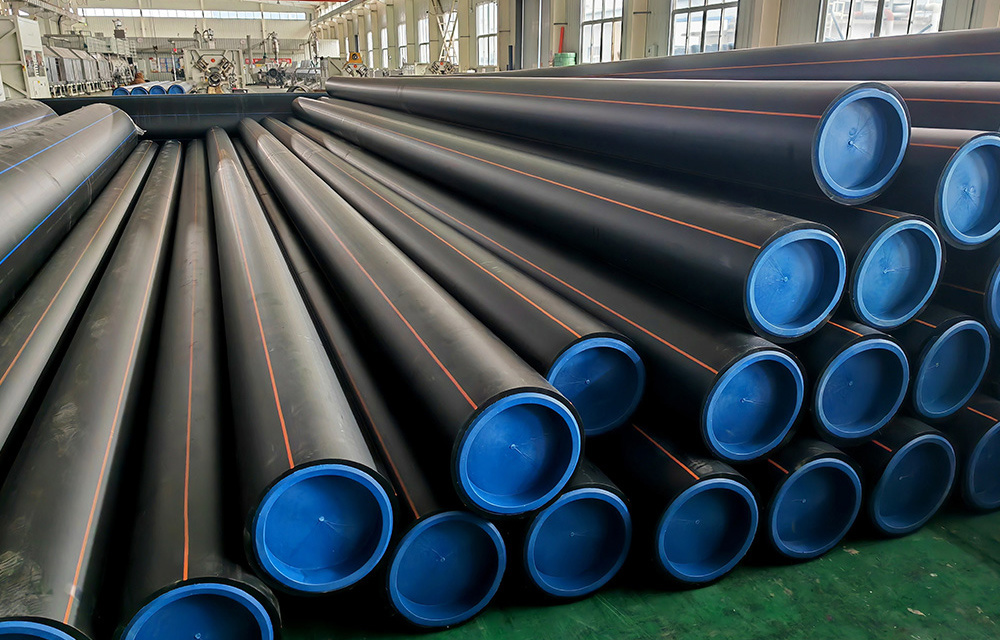
PE4710 pipe is made from **high-density polyethylene (HDPE)**, a thermoplastic polymer known for its strength and flexibility. The designation “4710” signifies its material properties, particularly its resistance to rapid crack propagation (RCP) and environmental stress cracking (ESC). These properties make PE4710 an ideal choice for various applications, from water distribution systems to gas pipelines.
Key Characteristics
The primary characteristics of PE4710 pipe include:
- **Durability**: PE4710 is engineered to last, resisting corrosion, chemicals, and harsh environmental conditions.
- **Flexibility**: The inherent flexibility of HDPE allows for easier installation, especially in challenging terrains.
- **Lightweight**: Compared to traditional materials like steel or concrete, PE4710 is significantly lighter, reducing transportation and handling costs.
- **Cost-Effectiveness**: The long lifespan and lower maintenance requirements translate into substantial savings over time.
Applications of PE4710 Pipe in Modern Infrastructure
Water Distribution Systems
One of the most prominent applications of PE4710 pipe is in water distribution. Its resistance to corrosion and chemicals ensures that drinking water remains uncontaminated. Moreover, its flexibility allows for seamless installation in diverse environments, making it suitable for urban and rural settings alike.
Gas Distribution Networks
PE4710 pipe is also extensively used in **natural gas distribution** systems. Its superior RCP resistance minimizes the risk of leaks, ensuring safe and efficient gas transport. The material’s durability means that infrastructure can withstand external pressures without compromising safety.
Wastewater Management
In wastewater applications, PE4710 pipes provide reliable service due to their ability to resist various chemicals and environmental conditions. Their long-term performance reduces the frequency of repairs, thus ensuring a more efficient wastewater management system.
Benefits of Using PE4710 Pipe
Enhanced Performance
PE4710 pipe significantly enhances the performance of infrastructure systems. Its capabilities in resisting environmental stressors make it a preferred choice for engineers and planners. The material's elasticity allows it to absorb shocks and movement, which is particularly beneficial in areas prone to seismic activity.
Reduced Environmental Impact
Utilizing PE4710 pipe contributes positively to environmental sustainability. The longevity of the material minimizes waste, and its production process consumes less energy compared to other piping systems. Furthermore, the recyclability of HDPE adds another layer of environmental stewardship to its use.
Compliance with Industry Standards
PE4710 pipe meets and often exceeds the standards set by various regulatory agencies. Its certifications ensure that it is safe for use in potable water systems and complies with environmental regulations, making it a reliable choice for municipalities and contractors.
Installation Considerations for PE4710 Pipe
Preparation for Installation
Before installation, it is essential to conduct thorough site assessments. Proper planning allows for the identification of potential challenges and ensures that the installation process runs smoothly. The lightweight nature of PE4710 pipe simplifies logistics, making it easier to transport to the site.
Installation Techniques
PE4710 pipes can be installed using several methods, including fusion welding and mechanical fittings. Fusion welding is particularly advantageous because it creates a seamless joint, which enhances the structural integrity of the pipeline. Each installation method should be assessed based on the specific application and environmental conditions.
Post-Installation Inspection
After installation, conducting inspections is critical to ensure that the system is functioning as intended. Regular monitoring can help identify any potential issues early on, maintaining the integrity of the infrastructure.
Challenges and Considerations in Using PE4710 Pipe
Material Limitations
While PE4710 pipe boasts many advantages, it does have some limitations. For instance, extreme temperatures can affect the material's performance. Understanding these limitations is crucial for engineers when designing systems that involve temperature fluctuations.
Cost Considerations
Although PE4710 pipe offers long-term savings, the initial investment may be higher than traditional piping materials. However, considering the overall lifecycle cost—including maintenance and durability—PE4710 often proves to be the more economical option.
Future Trends in the Use of PE4710 Pipe
Innovative Technologies
As technology advances, the application of PE4710 pipe will likely expand. Innovations in manufacturing processes may lead to even higher performance standards, further solidifying its place in modern infrastructure.
Sustainability Initiatives
With growing concerns about environmental impact, the use of sustainable materials like PE4710 pipe will likely become more prevalent. Industry trends point toward a shift in focus toward materials that not only perform well but also contribute to sustainability goals.
FAQs about PE4710 Pipe
1. What is the lifespan of PE4710 pipe?
PE4710 pipe has an expected lifespan of over 50 years under normal operating conditions, making it one of the most durable options available for piping systems.
2. Can PE4710 pipe be used for both hot and cold water?
While PE4710 pipe is excellent for cold water systems, its performance in hot water applications is limited. Consult the manufacturer's guidelines for specific temperature ratings.
3. How does PE4710 pipe compare to PVC pipe?
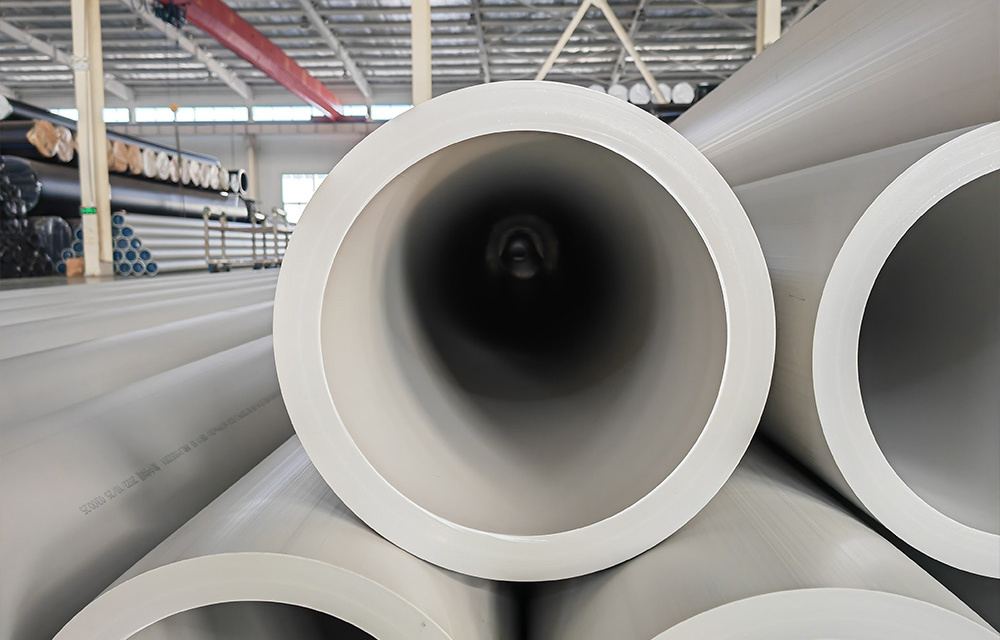
PE4710 pipe offers greater flexibility and resistance to environmental stress, making it preferable in many applications compared to rigid PVC pipe.
4. Is PE4710 pipe affected by UV light?
PE4710 pipe can degrade under prolonged exposure to UV light. Therefore, it's essential to use protective measures, such as burying the pipe or using UV-resistant coatings.
5. How can I ensure proper installation of PE4710 pipe?
Hiring experienced contractors who understand the specific installation requirements for PE4710 pipe is crucial. Conducting regular inspections post-installation helps maintain system integrity.
Conclusion
PE4710 pipe stands as a leading solution that meets the demands of modern infrastructure. Its robust properties, adaptability to various applications, and environmental advantages make it an exceptional choice for engineers and contractors alike. As infrastructure needs continue to evolve, embracing innovative materials like PE4710 will ensure that our systems remain resilient, sustainable, and efficient for generations to come.

Customer Service Hotline
Sales Department Email
Website (Web)
Customer Service Email
Business Cooperation Email
Address
No.32 Donghai Road, Cangzhou Development Zone, Hebei Province, China
Company Address
No. 32 Donghai Road, Cangzhou Development Zone, Hebei Province, China